

시놉시스
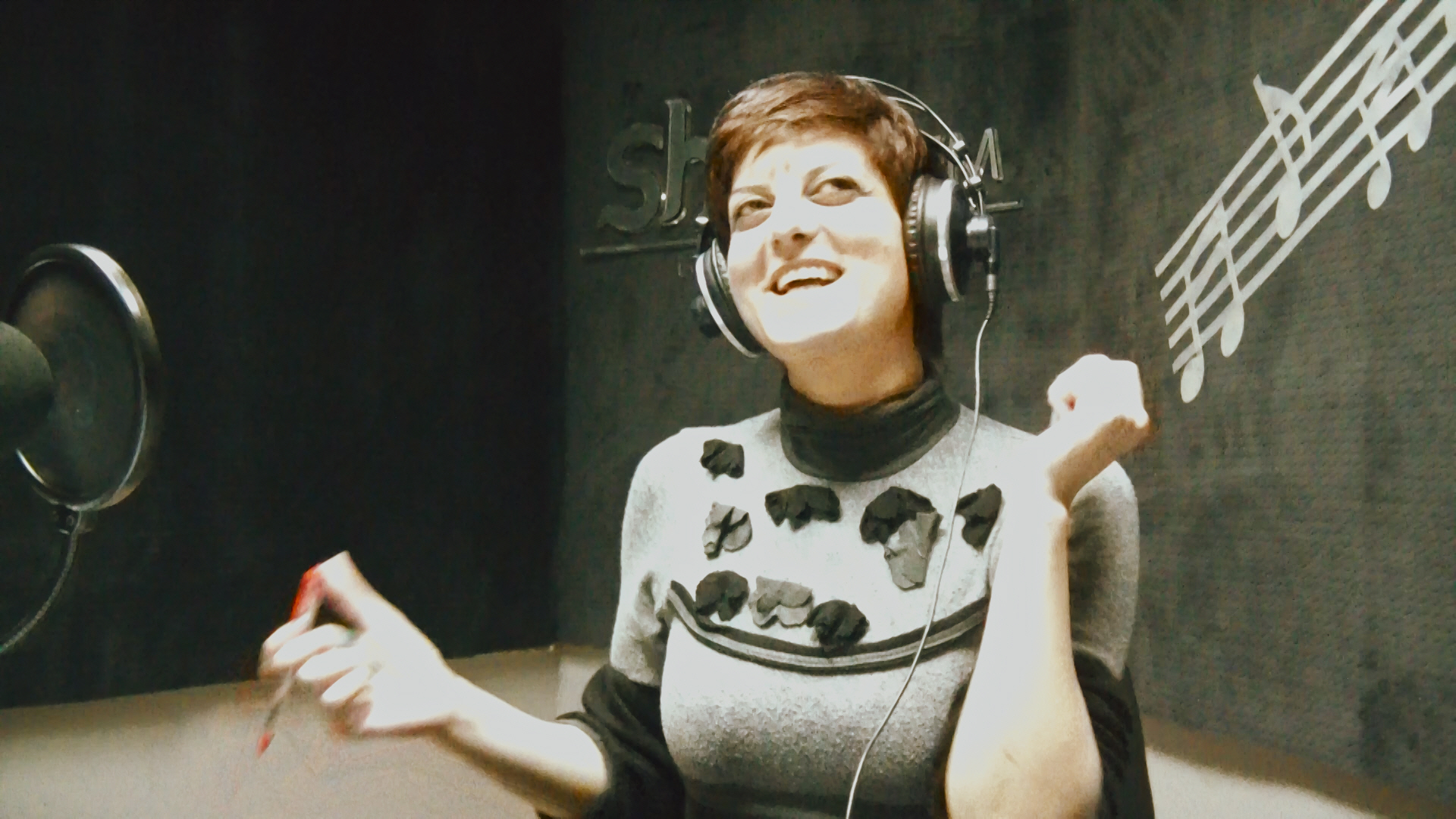
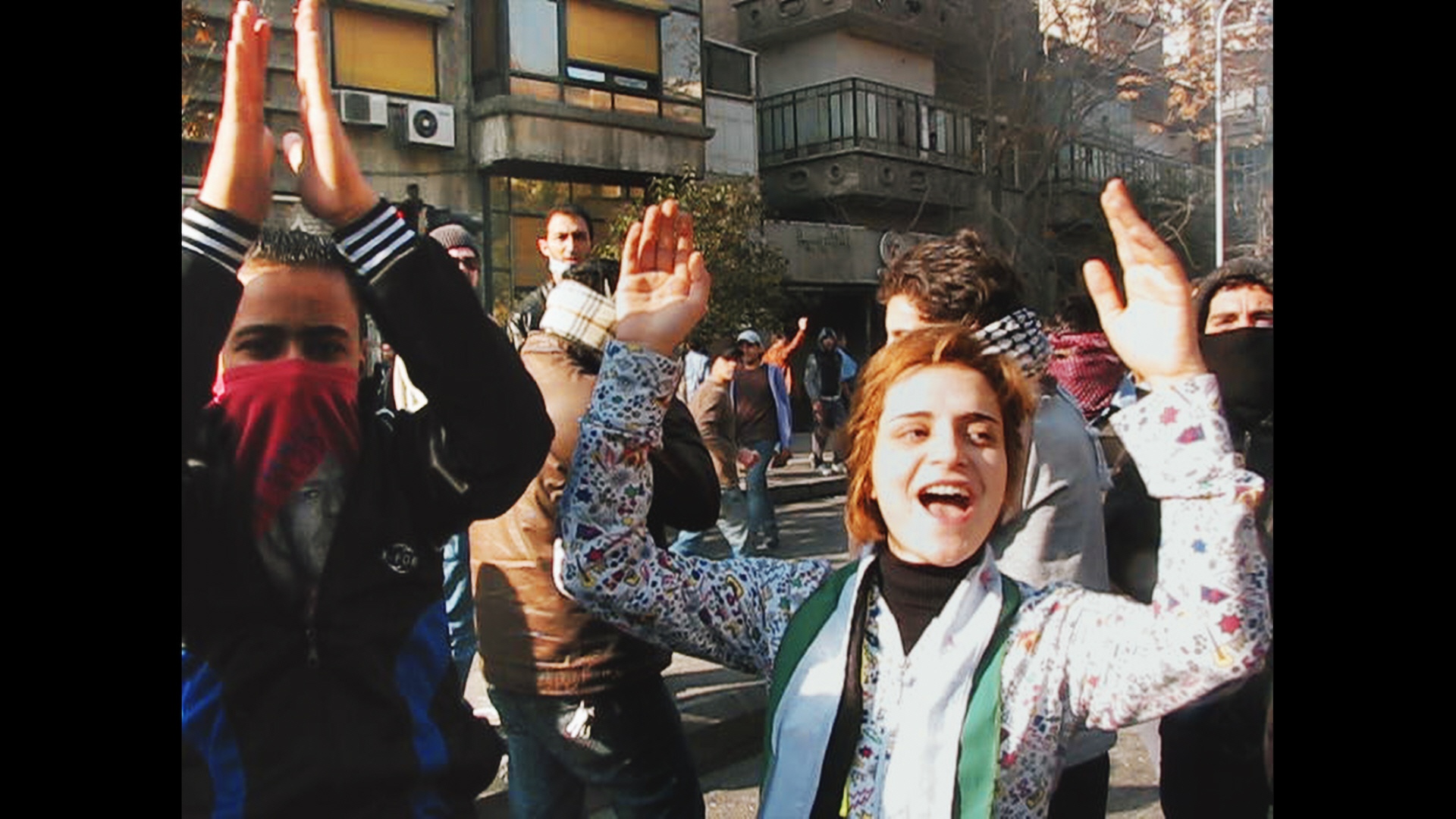
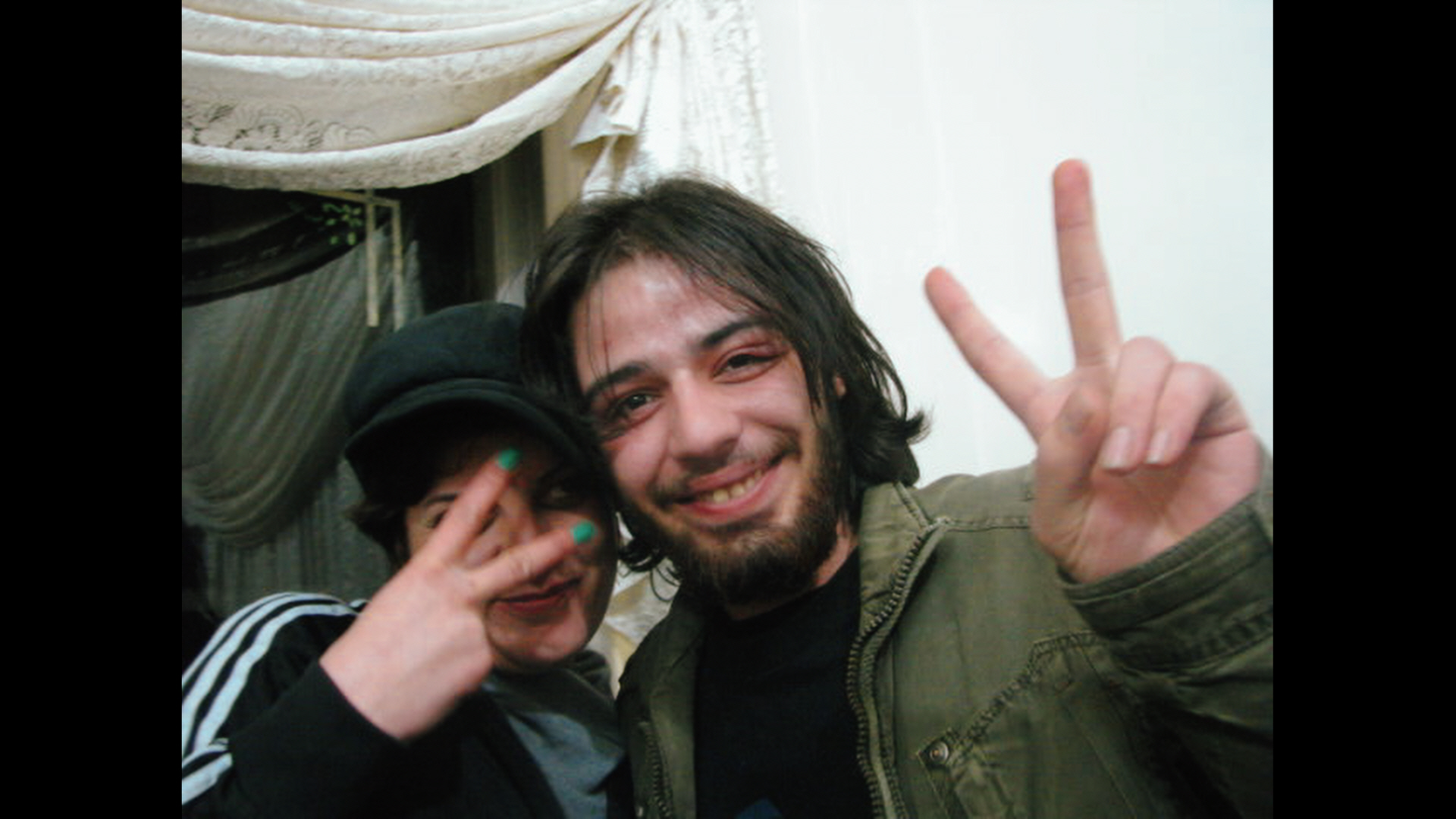
2011년 3월 라디오 진행자인 오바이다 자이툰은 친구들과 시리아 대통령 바사르 알 사드의 폭압적인 통치에 저항하는 거리 시위에 합류한다. 아랍의 봄이 나라를 영원히 바꿀 것이라고 생각한 예술가와 활동가 그룹들은 그들의 삶과 투쟁을 기록하기 시작한다. 하지만 정권의 폭력적인 대응에 나라는 내전으로 쪼개지고, 새로운 나라를 향한 희망은 죽음과, 투옥, 폭력에 직면하게 된다.
감독
-
 안드레아 달스가드
Andreas DalsgaardRedane (2014)
Life is Sacred (2014)
Travelling with Mr. T. (2012)
The Human Scale (2012)
Cities on Speed: Bogota Change (2009)The War Show is based on footage gathered by Obaidah while she lived in Syria and took part in the uprising. Some she shot herself, some was shot by friends. As we studied this footage together, it became obvious that it contained moments of immense power. Burt the collection had a very fragmented nature. How to tell a coherent story that wouldn’t jeopardize these moments for the sake of effective storytelling became our challenge. We wanted to let their individual power shine. The movie is told in 7 chapters to give the story an open-ended postcard quality. This lets the audience explore the scenes on their own, and lets them build their own story inside their minds. We don’t connect all the dots, but let the audience do it. The ambition to create a coherent wholesome story is corruptive by nature. The ‘Hero’s journey’ is seductive but rarely true. Nothing adds up in real life. Nothing is simple.
When we challenged the form of storytelling, a complex reality emerged that in our mind shows a much more human perspective on Syria and war itself. The movie is not obsessed with the creation of a ‘well-told’ narrative. Instead it challenges each moment and the interpretation that it contains. How did these events really happen? What is the role of the camera? How do people act towards the camera? What is construction of self and society that plays out in front of our eyes?
The construction of The War Show was based on hundreds of hours of conversations between ourselves and a wider community of Syrians. These conversations led to an analysis of every moment in the hundreds of hours of footage that was brought out of the country. From there followed a selection of the moments that would make it into the film. We wanted to tell a personal story about the fate of Obaidah and her friends, within the bigger context of the Syrian regime’s oppression. Of the war crimes it has committed. And of the fate of millions of people that are today suffering from the events in Syria. Whether they are refugees in exile, or children and adults still struggling for survival inside the country, how do we come to grasp their sense of being in the world? How do we gain an understanding of the tragedy they all endure? And how do we avoid exploiting their fates for the sake of entertainment and emotional exploitation, and instead gain a deeper understanding of the situation itself?
There are many important things to be told about Syria. We, as a world community, are only beginning to grasp its repercussions. To solve this crisis will take years. To analyze and learn from this tragedy will take decades. No other conflict has been filmed as much, yet the truth continues to evade us. The role of the camera itself, as a key narrator of the events, but also as a tool shapes reality itself, has yet to be analyzed in depth. There’s a new reality emerging based on old patterns. The axis of extremism and terrorism and its connection to regimes like that of Assad’s is underreported. The regime’s cynical game of exploiting terrorist networks to continue their corrupt and deeply criminal actions is not told. The global game of power played by Saudi Arabia, Iran, Russia, US and turkey, has turned Syrian soil into a proxy-war battlefield. The war is beginning fought by many other people than just Syrians. Yet the Syrian people’s desire for self determination that led to the uprising in 2011 is not gone. This film cam show what happened on the ground and in people’s minds. The horror of terrorism in Syria and in the larger world today is a deeply human tragedy, which can be explained and must be understood. It could have been different if the international will had been there.
The truth hides in the details. By studying each detail thoroughly and truthfully, we strongly believe that a more complete picture emerges. This is important. It is not for the sake for entertainment, but in the interest of writing history. We wanted to leave a document to the world which will have real value in years to come.
-
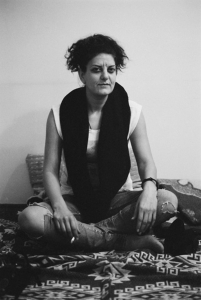 오바이다 자이툰
Obaidah ZytoonThe War Show (2016)The War Show is based on footage gathered by Obaidah while she lived in Syria and took part in the uprising. Some she shot herself, some was shot by friends. As we studied this footage together, it became obvious that it contained moments of immense power. Burt the collection had a very fragmented nature. How to tell a coherent story that wouldn’t jeopardize these moments for the sake of effective storytelling became our challenge. We wanted to let their individual power shine. The movie is told in 7 chapters to give the story an open-ended postcard quality. This lets the audience explore the scenes on their own, and lets them build their own story inside their minds. We don’t connect all the dots, but let the audience do it. The ambition to create a coherent wholesome story is corruptive by nature. The ‘Hero’s journey’ is seductive but rarely true. Nothing adds up in real life. Nothing is simple.
When we challenged the form of storytelling, a complex reality emerged that in our mind shows a much more human perspective on Syria and war itself. The movie is not obsessed with the creation of a ‘well-told’ narrative. Instead it challenges each moment and the interpretation that it contains. How did these events really happen? What is the role of the camera? How do people act towards the camera? What is construction of self and society that plays out in front of our eyes?
The construction of The War Show was based on hundreds of hours of conversations between ourselves and a wider community of Syrians. These conversations led to an analysis of every moment in the hundreds of hours of footage that was brought out of the country. From there followed a selection of the moments that would make it into the film. We wanted to tell a personal story about the fate of Obaidah and her friends, within the bigger context of the Syrian regime’s oppression. Of the war crimes it has committed. And of the fate of millions of people that are today suffering from the events in Syria. Whether they are refugees in exile, or children and adults still struggling for survival inside the country, how do we come to grasp their sense of being in the world? How do we gain an understanding of the tragedy they all endure? And how do we avoid exploiting their fates for the sake of entertainment and emotional exploitation, and instead gain a deeper understanding of the situation itself?
There are many important things to be told about Syria. We, as a world community, are only beginning to grasp its repercussions. To solve this crisis will take years. To analyze and learn from this tragedy will take decades. No other conflict has been filmed as much, yet the truth continues to evade us. The role of the camera itself, as a key narrator of the events, but also as a tool shapes reality itself, has yet to be analyzed in depth. There’s a new reality emerging based on old patterns. The axis of extremism and terrorism and its connection to regimes like that of Assad’s is underreported. The regime’s cynical game of exploiting terrorist networks to continue their corrupt and deeply criminal actions is not told. The global game of power played by Saudi Arabia, Iran, Russia, US and turkey, has turned Syrian soil into a proxy-war battlefield. The war is beginning fought by many other people than just Syrians. Yet the Syrian people’s desire for self determination that led to the uprising in 2011 is not gone. This film cam show what happened on the ground and in people’s minds. The horror of terrorism in Syria and in the larger world today is a deeply human tragedy, which can be explained and must be understood. It could have been different if the international will had been there.
The truth hides in the details. By studying each detail thoroughly and truthfully, we strongly believe that a more complete picture emerges. This is important. It is not for the sake for entertainment, but in the interest of writing history. We wanted to leave a document to the world which will have real value in years to come.
리뷰
동시대 가장 참혹한 환부가 되어 버린 국가 시리아. 몇 년 전 <은빛수면, 시리아의 자화상>(2014)이라는 영화가 있었고 어쩌면 <워쇼>도 그 자화상 그리기의 맥락에 있는 것 같다. 라디오 DJ이자 이 영화의 공동 감독인 오바이다 자이툰과 그의 친구들이 영화의 주된 주인공이다. 2011년 ‘아랍의 봄’은 시리아에도 찾아들고 40년간 이어진 시리아 독재 정권을 겨냥한 혁명의 분위기가 고조되었을 무렵 오바이다와 그녀의 친구들도 이 혁명의 물결에 자기들만의 방식으로 동참한다. 하지만 사태는 점점 더 그들의 희망을 저버리기 시작한다. 이후에 시리아가 내전에 휩싸이고 테러의 집단을 창궐시키고 난민을 낳으며 불우한 땅이 되어 버린 것을 우리도 안다. 하지만 <워쇼>는 우리가 체감하지 못한 것들을 그리고 끝내 말할 수 없는 것들을 가장 사적인 차원에서 아프게 획득해낸다. 오바이다가 들고뛰고 도망치고 숨으며 찍어낸 영상들은 국제 정세에 관하여 객관적으로 기술된 몇 줄의 문장으로는 도저히 옮겨지지 않는 가혹한 현실을 관객에게로 생생하게 전한다. 카메라는 오바이다 자신의 육체와 정신이 되어서 시리아의 자화상을 그려낸다. 7개의 장으로 나누어서 시리아의 현황을 짚어 나간 구성에서는 치밀함을 엿볼 수 있고, 반면에 제5장‘기억’에서 그녀가 친구들의 이름을 하나씩 호명할 때에는 이 영화가 마침내 사람들의 꺼져버린 생명과 희망에 관한 자화상이라는 것을 절감하게 된다. [정한석]
Credits
- Director Andreas Dalsgaard, Obaidah Zytoon
- Producer Miriam, Norgaard, Alaa Hassan
- Editor Adam Niesen
- Sound Olli Huhtanen
Contribution & World Sales
- Contribution & World Sales Nadia Kvist
- Phone 45 61604758
- E-Mail nadia@f-film.com