
시놉시스
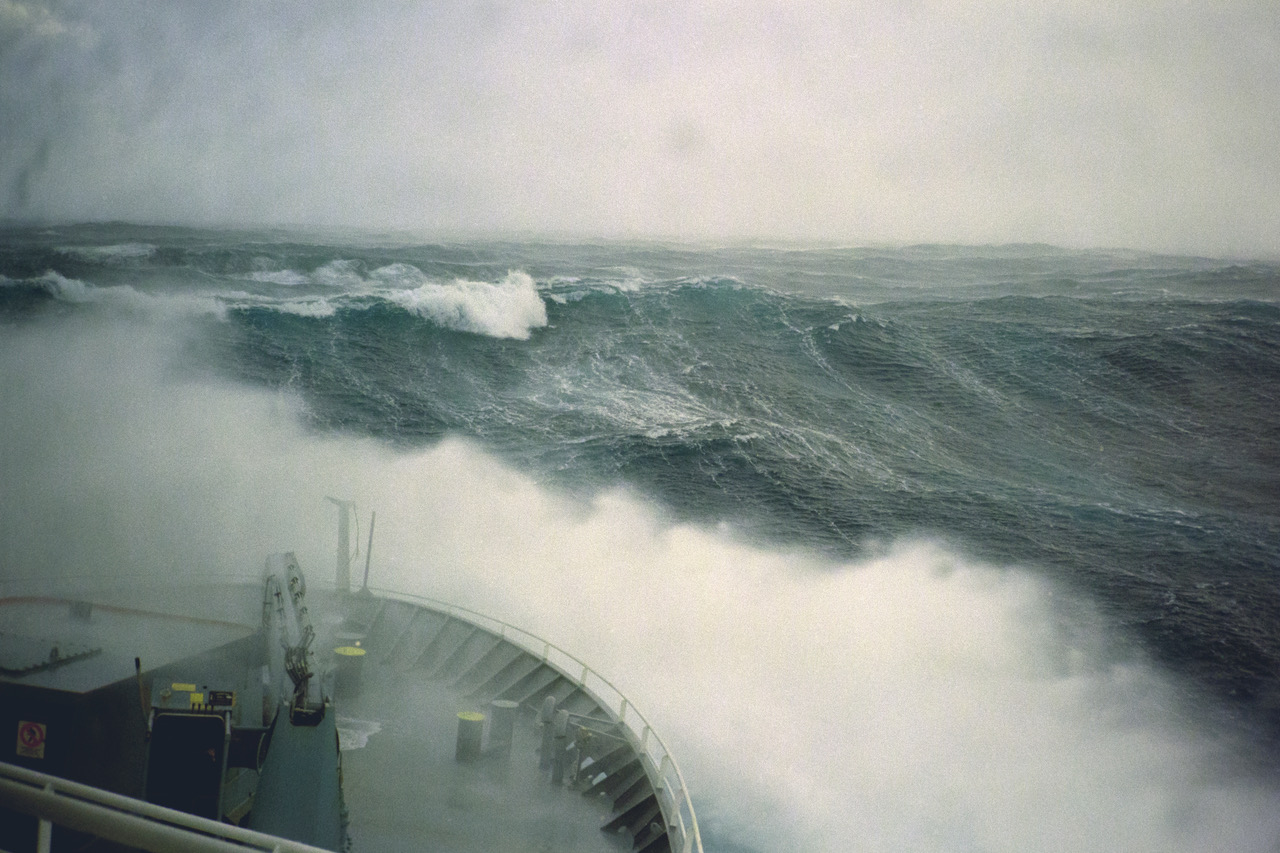
폐허의 풍경에 대한 사색적인 다큐멘터리, 세 명의 주인공은 각각 심해의 산호를 탐구하고, 지진 후 재개발의 풍경에서 사운드를 만들어가고, 자신들이 과거에 가졌었던 중독 증상에 대해 최면요법을 사용한다. 미학적인 이미지로 포착한 세 탐험가의 초상.
감독
-
 아담 럭스턴
Adam LuxtonMinginui (2005)On an Unknown Beach documents three different characters who each explore unique landscapes of ruin.
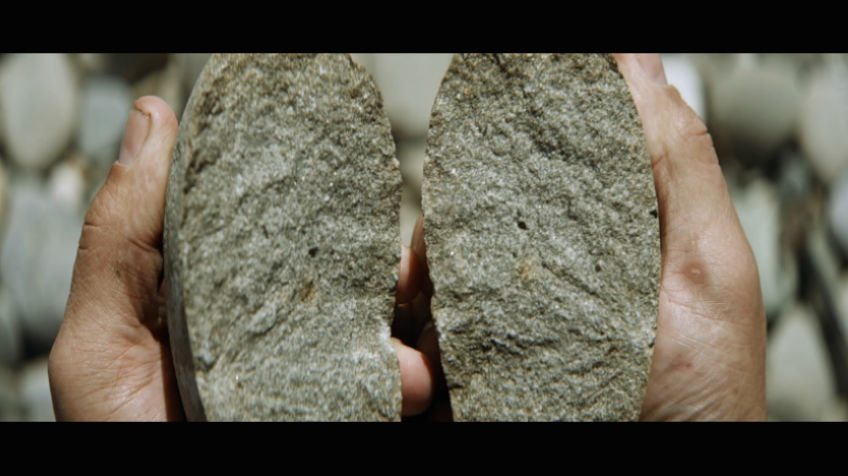
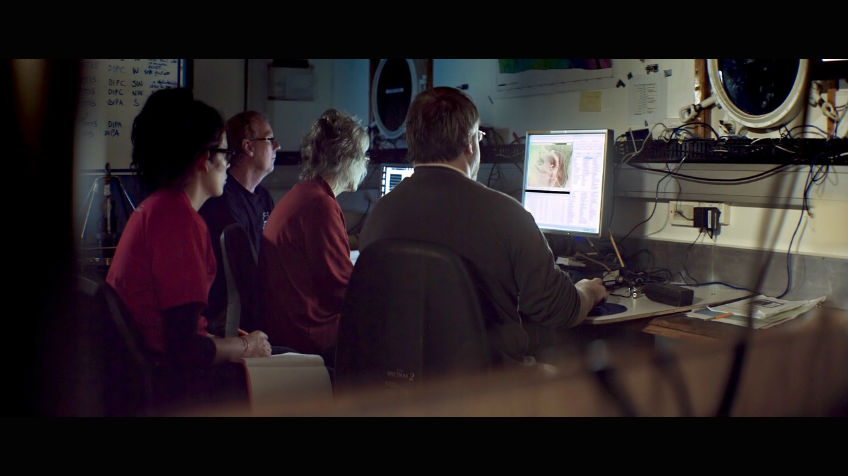
For deep-sea coral scientist Di Tracey, the landscape is the seabed of the Chatham Rise which has been impacted by commercial fishing over many years. Her team of scientists aboard the research vessel Tangaroa are surveying sea mounts which comprise the primary habitat of many deep sea corals. The film takes in her documentation of the impacts left by deep ocean trawl fishing, her search for intact habitats, and her scientific inquiry of the association of species within these habitats. Di’s journey in the film concludes surveying massive colonies of the habitat forming stony coral species Solenosmila variabilis on an unfished seamount.
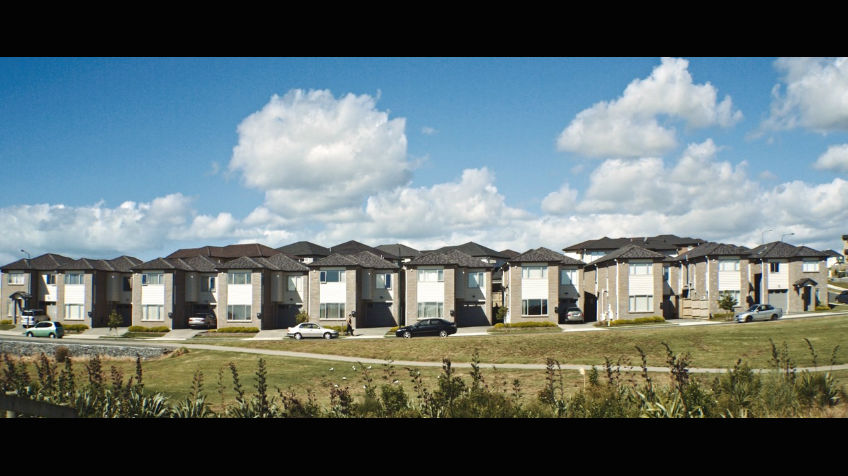
For sound artist Bruce Russell, the landscape is the CBD of Christchurch city. The city was struck by a series of major earthquakes in 2012 and was left in ruins. As the city undergoes the initial stages of civic reconstruction, Bruce Russell creates an experimental audio acoustic improvisation that meditates on notions of civil society, renaissance natural philosophy and urbanisation. Through a process of unruly and anarchic methods, Russell’s work suggests a philosophical ground zero, a moment of deliberation before starting over. His journey in the film is concluded by the resolution of his new improvised sound work No Mean City.
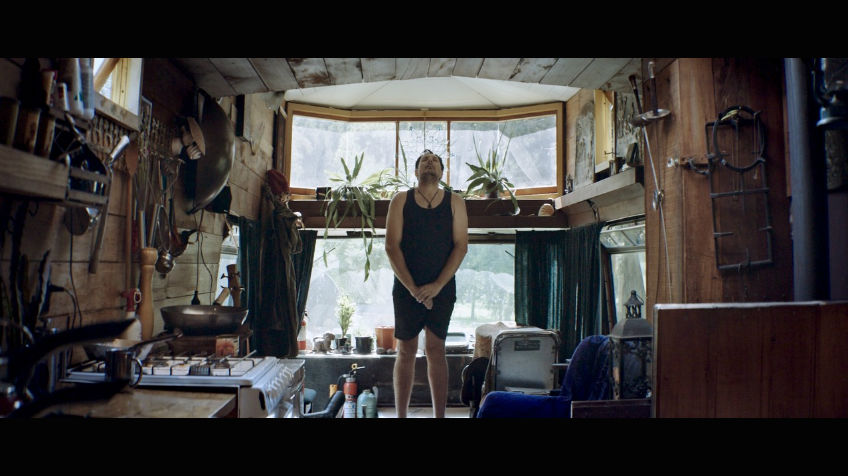
For poet and actor David Hornblow, the landscape is an internal terrain explored through Regression Hypnotherapy. Hornblow represents an apocryphal character in the film who initially began as a collage of transcripts from emotional therapy sessions about addiction; a recovering addict, estranged from his children and struggling to cope with a mesh of anxieties about the outside world. David’s own experiences with addiction have lead him along a path that find him now in the role of drug and alcohol counsellor at the Waipareira Trust in Auckland, New Zealand. His experiences and insights provided a canvas of personal histories to feed into the character. During production David was put under hypnosis and underwent ‘life regression’ hypnotherapy. The resulting material became the basis for a series of cinematic excavations of personal histories; isolation, failure, disorientation and addiction. David’s journey in the film is concluded with a utopian cleansing-by-fire ritual which takes place in the depths of his subconscious.
The explorations of our characters are woven together in a uniquely cinematic journey. A composite view of the anthropecene viewed through the prisms of scientific, artistic, and esoteric practices. A survey of environmental, civic and personal damage that ultimately arrives at a revelatory filmic alchemy. The process of making the film has been a rich creative journey in which we as filmmakers have explored the parameters of documentary. It has sharpened our awareness of being humans, on the planet, engaged with obscure activities that are scarcely more evolved than cavemen banging stones together thousands of years ago in our earliest efforts to comprehend our place in the world. The film has been our own encounter the unknown, and our landscape is the ritualised, utopian space of the cinema: a dream theatre of projections, ideas, emotions and nightmares.
-
 서머애그뉴
서머애그뉴
Summer AgnewMinginui (2005)On an Unknown Beach documents three different characters who each explore unique landscapes of ruin.
For deep-sea coral scientist Di Tracey, the landscape is the seabed of the Chatham Rise which has been impacted by commercial fishing over many years. Her team of scientists aboard the research vessel Tangaroa are surveying sea mounts which comprise the primary habitat of many deep sea corals. The film takes in her documentation of the impacts left by deep ocean trawl fishing, her search for intact habitats, and her scientific inquiry of the association of species within these habitats. Di’s journey in the film concludes surveying massive colonies of the habitat forming stony coral species Solenosmila variabilis on an unfished seamount.
For sound artist Bruce Russell, the landscape is the CBD of Christchurch city. The city was struck by a series of major earthquakes in 2012 and was left in ruins. As the city undergoes the initial stages of civic reconstruction, Bruce Russell creates an experimental audio acoustic improvisation that meditates on notions of civil society, renaissance natural philosophy and urbanisation. Through a process of unruly and anarchic methods, Russell’s work suggests a philosophical ground zero, a moment of deliberation before starting over. His journey in the film is concluded by the resolution of his new improvised sound work No Mean City.
For poet and actor David Hornblow, the landscape is an internal terrain explored through Regression Hypnotherapy. Hornblow represents an apocryphal character in the film who initially began as a collage of transcripts from emotional therapy sessions about addiction; a recovering addict, estranged from his children and struggling to cope with a mesh of anxieties about the outside world. David’s own experiences with addiction have lead him along a path that find him now in the role of drug and alcohol counsellor at the Waipareira Trust in Auckland, New Zealand. His experiences and insights provided a canvas of personal histories to feed into the character. During production David was put under hypnosis and underwent ‘life regression’ hypnotherapy. The resulting material became the basis for a series of cinematic excavations of personal histories; isolation, failure, disorientation and addiction. David’s journey in the film is concluded with a utopian cleansing-by-fire ritual which takes place in the depths of his subconscious.
The explorations of our characters are woven together in a uniquely cinematic journey. A composite view of the anthropecene viewed through the prisms of scientific, artistic, and esoteric practices. A survey of environmental, civic and personal damage that ultimately arrives at a revelatory filmic alchemy. The process of making the film has been a rich creative journey in which we as filmmakers have explored the parameters of documentary. It has sharpened our awareness of being humans, on the planet, engaged with obscure activities that are scarcely more evolved than cavemen banging stones together thousands of years ago in our earliest efforts to comprehend our place in the world. The film has been our own encounter the unknown, and our landscape is the ritualised, utopian space of the cinema: a dream theatre of projections, ideas, emotions and nightmares.
리뷰
무분별한 포획으로 황폐해진 바다 깊은 곳, 지진으로 파괴된 도심, 중독으로 가족과 멀어지고 상처받은 인간의 내면은 외부적으로 잘 ‘알려지지 않은’ 어떤 장소이다. 이 거칠고 황폐하며 모호한 장소에서 산호, 사운드, 인간 심리를 지속적으로 탐구해나가는 세 명의 탐험가(과학자, 노이즈 음악가, 시인이자 배우)가 있다. 즉, 이 다큐멘터리는 세 명의 인물과 그의 공간을 다룬다. 이 세 사람은 실질적인 접촉을 갖지 않지만, 영화 속에서 연결되고 확장된 관계를 갖는다. 이 절묘한 연결과 확장은 시청각적인 감각과 편집으로 이뤄지고, 관객은 그들의 주관적 상태를(주관적 거리감각, 공간지각) 감각적으로 경험할 수 있다. 그들의 내적 고민, 철학 그리고 심상은 카메라의 움직임, 프레이밍, 렌즈의 사용, 사운드, 샷의 길이 등으로 정교하게 구축된 이미지와 사운드의 결합으로 감각적으로 묘사되거나 퍼포먼스로 구성되어 표현되기 때문이다. 그래서 각기 다른 영역의 세 탐험가의 활동 공간, 정서, 고민, 상념은 시청각적 이미지와 상상력을 통해 중첩되고 이질감 없이 연결될 수 있다. 미학적인 성취가 두드러지는 이 다큐멘터리에서 무엇보다 눈여겨볼 것은 창조적인 편집, 감각적인 연상작용으로 구성된 장면전환이다. 그래서 최종적으로 이 다큐멘터리는 촬영과 사운드 그리고 자연이 협연하는 감각적인 공연과 같은 인상을 준다. [김숙현]
Credits
- Director, Cinematographer Adam Luxton, Summer Agnew
- Producer Gayle Hogan, Adam Luxton, Summer Agnew
- Editor Adam Luxton
- Music Bruce Russell, Alastair Galbraith
- Sound Max Scott
Contribution & World Sales
- Contribution & World Sales Adam Luxton
- E-Mail adamluxton@gmail.com