


시놉시스
세계에서 가장 가난하고 인구 밀도가 높은 국가 중 하나인 필리핀에서 가장 복잡한 산부인과 병원. 병실에는 수십 개의 침대들이 빽빽하게 들어차 있고 각각의 침대에서는 각각의 사연을 가진 산모들이 아이를 돌본다. 미숙아로 태어나 캥거루 케어가 필요한 아이의 엄마, 젖이 부족한 산모, 밤새 진통에 시달리다 힘겹게 출산에 성공한 산모 등. 각자의 사연은 별개로 흩어져 있는 듯 보이지만 결국 하나로 모아진다.
감독
-
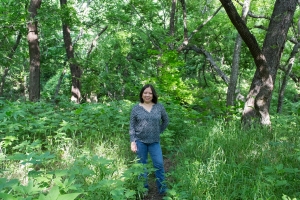 라모나 디아즈Don't Stop Believin': Everyman's (2012)
Imelda (2004)
Spirits Rising (1996)I started developing a film about reproductive rights and reproductive justice back in 2011. Initially I had wanted to follow the social and political drama swirling around the passage of the Reproductive Health Bill. As originally conceived, the film was going to follow the bill as it went through the legislative process. While researching the film, I visited the Dr. Jose Fabella Memorial Hospital, the busiest maternity ward on the planet; it averages 60 births a day—and at its peak, as many as 100 babies within a 24-hour period. Fabella is the final safety net for very poor pregnant women, most of whom cannot afford either contraception or the $60 delivery fee. The images I saw at the hospital - the nurses who did their best to tame the noisy chaos of Emergency Room arrivals, the crowded corridors, the premature births and cramped recovery rooms with double occupancy of single beds – gripped me and wouldn’t let go. It was soon evident that the story I was looking for, a story about reproductive justice and maternal and women’s rights, unfolded within the hospital walls.
As I shifted the gaze of my camera, I also decided on an exclusively cinéma vérité approach to capture the daily rhythms of the hospital. Day in, day out, the routines at Fabella repeat themselves. Pregnant women arrive, mothers with babies leave. Outside on the street, visitors line up. Inside the ward, pregnant women, fanning themselves because there is no air-conditioning, await the signs of labor that will advance them to the delivery room and eventually the delivery staff’s cry: “Baby out!” As in most immersive experiences, once the routine washes over you, the real story emerges. And the story I found was one of community and humor. The women talk unabashedly with each other about sex. A nurse counsels them on hygiene, speaking into a microphone like a stand-up comic, teasingly instructs them to bathe hidden body parts so their husbands and boyfriends will still want to have sex with them—and not chase after other women. They shared not only stories but also their bodies, literally – breastfeeding other women’s babies is not an uncommon sight. The narrative that emerges is a tableau of not only poverty, but also of warmth, generosity and fortitude. The fleeting but profound relationships forged on those cramped beds are the emotional bedrock of the film.
The story that unfolds in Motherland, while taking place in the Philippines, is universal. The wondrous mystery of motherhood is apparent in every frame of the film, in the sweat and screams of a first-time mother in labor, in the peace of her newborn being placed at her swollen breast, in the awkward laughter as she flounders to diaper her squirming baby. The joy in Fabella is no different from the joys experienced by mothers worldwide. However, because this takes place in the Philippines, this film invites audiences to witness analogous situations from the starkly different perspective of a poor, densely populated, Catholic country.
리뷰
필리핀 마닐라의 ‘호세 파벨라 병원’에는 세계에서 가장 바쁘고 복잡한 산부인과가 있다. 대부분 가난하고, 가톨릭 신자이며 이미 여러 명의 아기를 출산한 적 있는 여성들이 머무는 이곳은 필리핀이 처한 모순들을 한눈에 보여주는 소우주이다. 이미 수용 한계를 넘어선 많은 환자에 비해 턱 없이 부족한 의료 장비로 인해 파벨라 병원은 대안적인 아이디어로 산모와 아기를 돌본다. 부족한 인큐베이터 대신 엄마는 천으로 된 튜브를 두르고 아기를 24시간 품에 안고 지낸다. 10대 소녀에서부터 이미 성인이 된 자식들을 거느린 나이 든 산모까지, 성심성의껏 돌보는 남편이 있는가 하면 홀로 이 모든 것을 감당해야 하는 산모까지, 다채로운 풍경이 이 좁은 산부인과 병동 안에서 벌어진다. 관찰적 양식의 다큐멘터리는 생생하게 병동의 구석구석을 훑는다. 이 과정에서 매혹적이고, 흐뭇하며, 슬프고, 분노케 하는 저마다의 사연과 상황들이 치장하지 않은 채 날 것 그대로 전달된다. 수유나 출산 장면도 거침없이 카메라에 담긴다. 트랜스젠더 의사를 포함한 병원 스태프들의 활약 또한 다큐멘터리의 한 축을 이루며 전개된다. 가난한 산모들은 의사들의 조언을 무시하기 일쑤이며 상황을 점점 더 나쁘게 만들기도 하지만 의사들이 아기를 위해 헌신하며, 가난한 이들을 위해 최대한의 혜택을 적용하려고 애쓰는 모습은 경건하기까지 하다. 내러티브, 인터뷰, 전문가 의견, 아카이브 영상, 음악을 모두 배제한 채 오로지 현장 카메라로만 이루어져 있는, 생기와 활력이 넘치는 작품이다. [정민아]
Credits
- Director Ramona Diaz
- Producer Ramona S. Diaz, Rey Cuerdo
- Cinematographer Nadia Hallgren, Clarissa De Los Reyes
- Editor Leah Marino
Contribution & Sales
- Contribution & Sales Dogwoof
- Phone 44 2072536244
- E-Mail luke@dogwoof.com