
국제경쟁
대상 (흰기러기상)
Communion
- Poland
- 2016
- 72
- DCP
- Color
- Korean Premiere
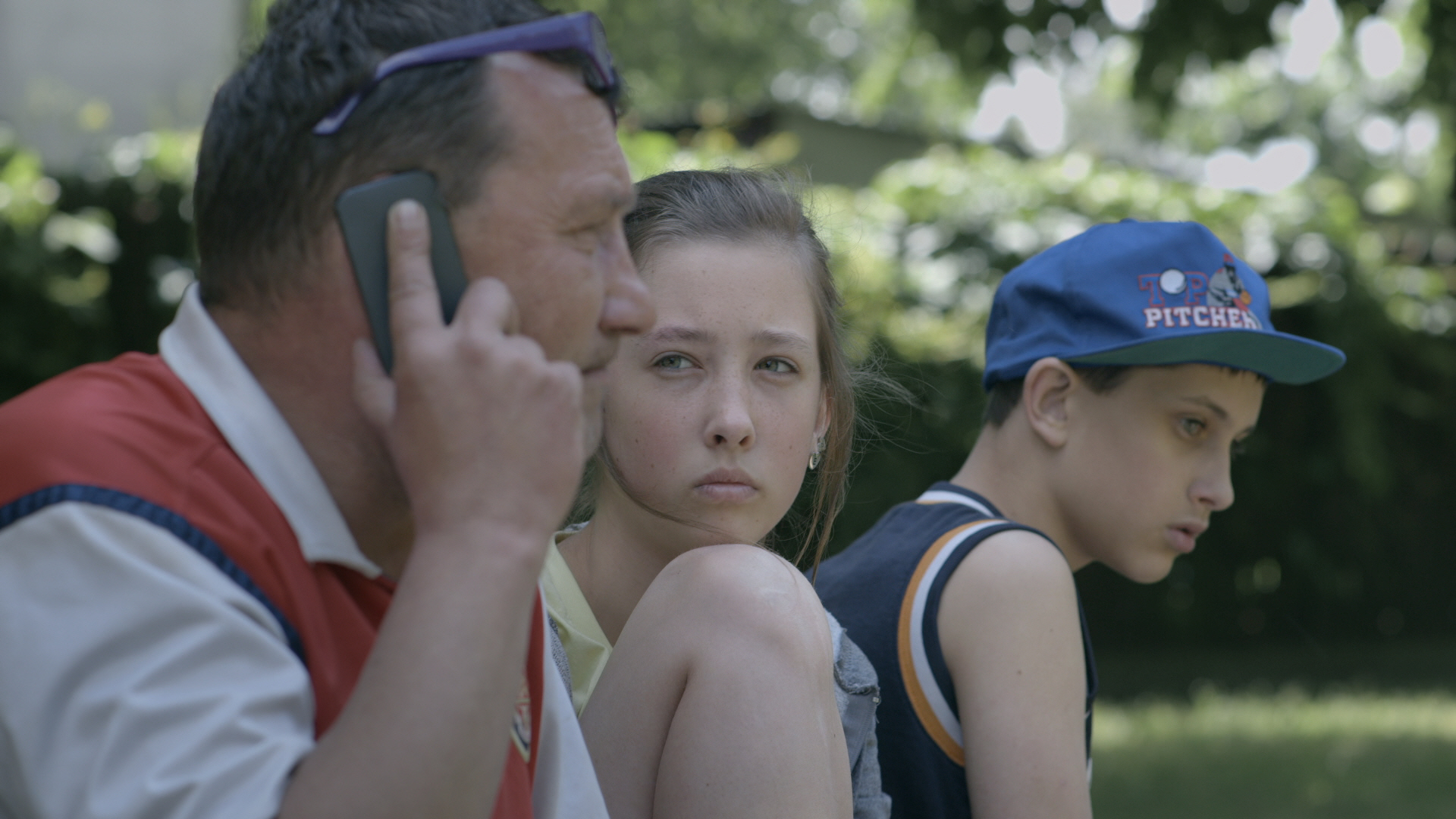
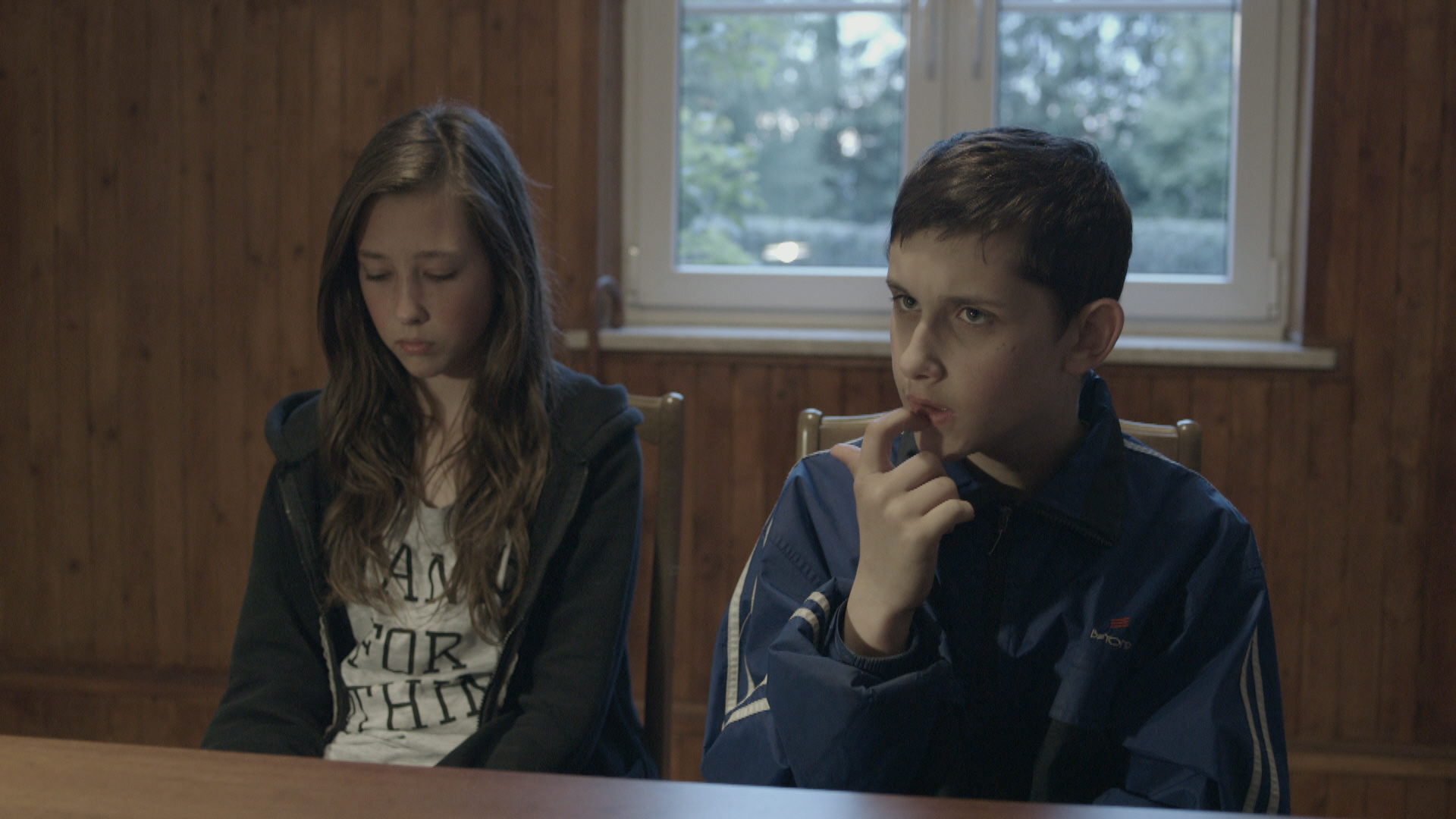
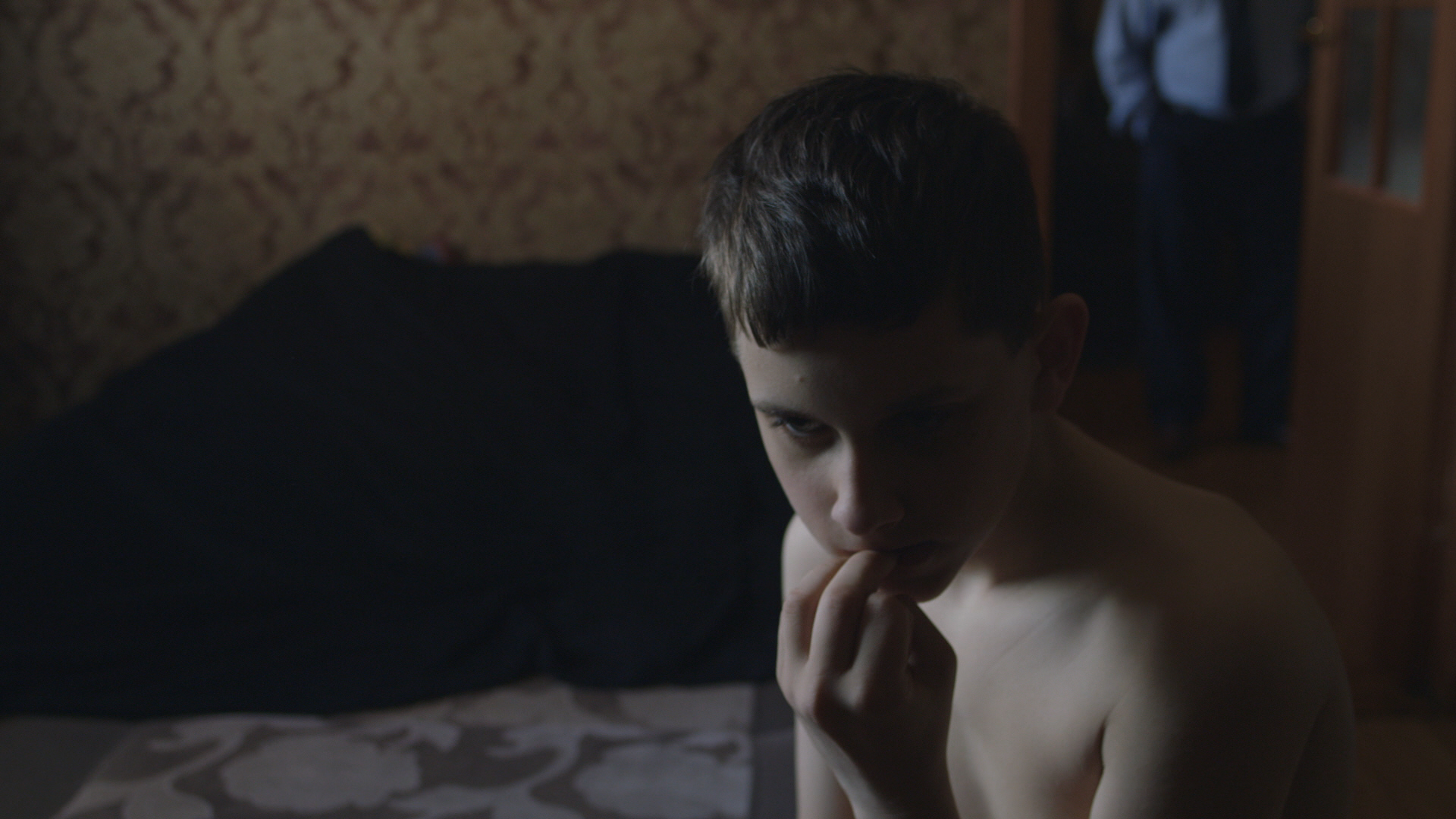


Synopsis
When adults are ineffectual, children have to grow up quickly. Ola is 14 and she takes care of her dysfunctional father, autistic brother and a mother who lives apart from them and is mainly heard the phone. Most of all she wants to reunite a family that simply doesn’t work like a defective TV set. She lives in the hope of bringing her mother back home. Her 13 year old brother Nikodem’s Holy Communion is a pretext for the family to meet up.
Director
-
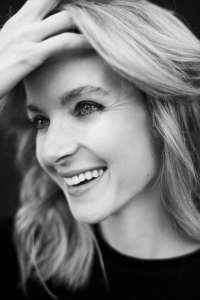 Anna ZameckaCommunion (2016)
Having met Ola, Nikodem and their father I knew I wanted to make a film: about the strength of unconditional family love and the bonds forever securing it. In a cramped flat – where everything gets lost, deteriorates or falls to pieces—I saw three people so connected that a mere gesture from one of them led to an avalanche of reactions: anger,
fear and concealed emotions. To capture this throng of objects and feelings the camera had to become the fourth family member.
심사위원 특별상
The War Show
- Denmark, Finland, Syrian Arab Republic
- 2016
- 100
- DCP
- Color

Synopsis
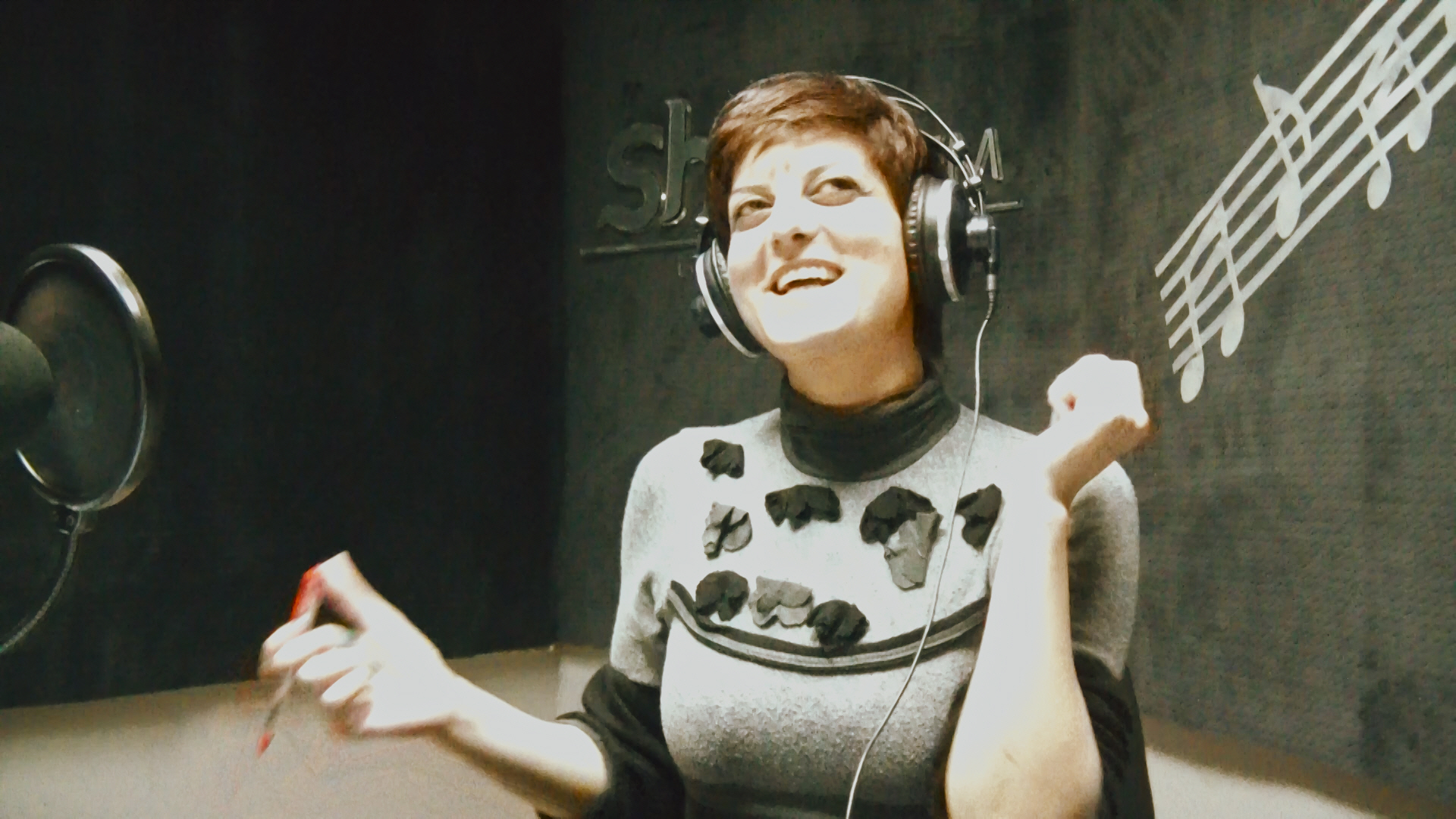
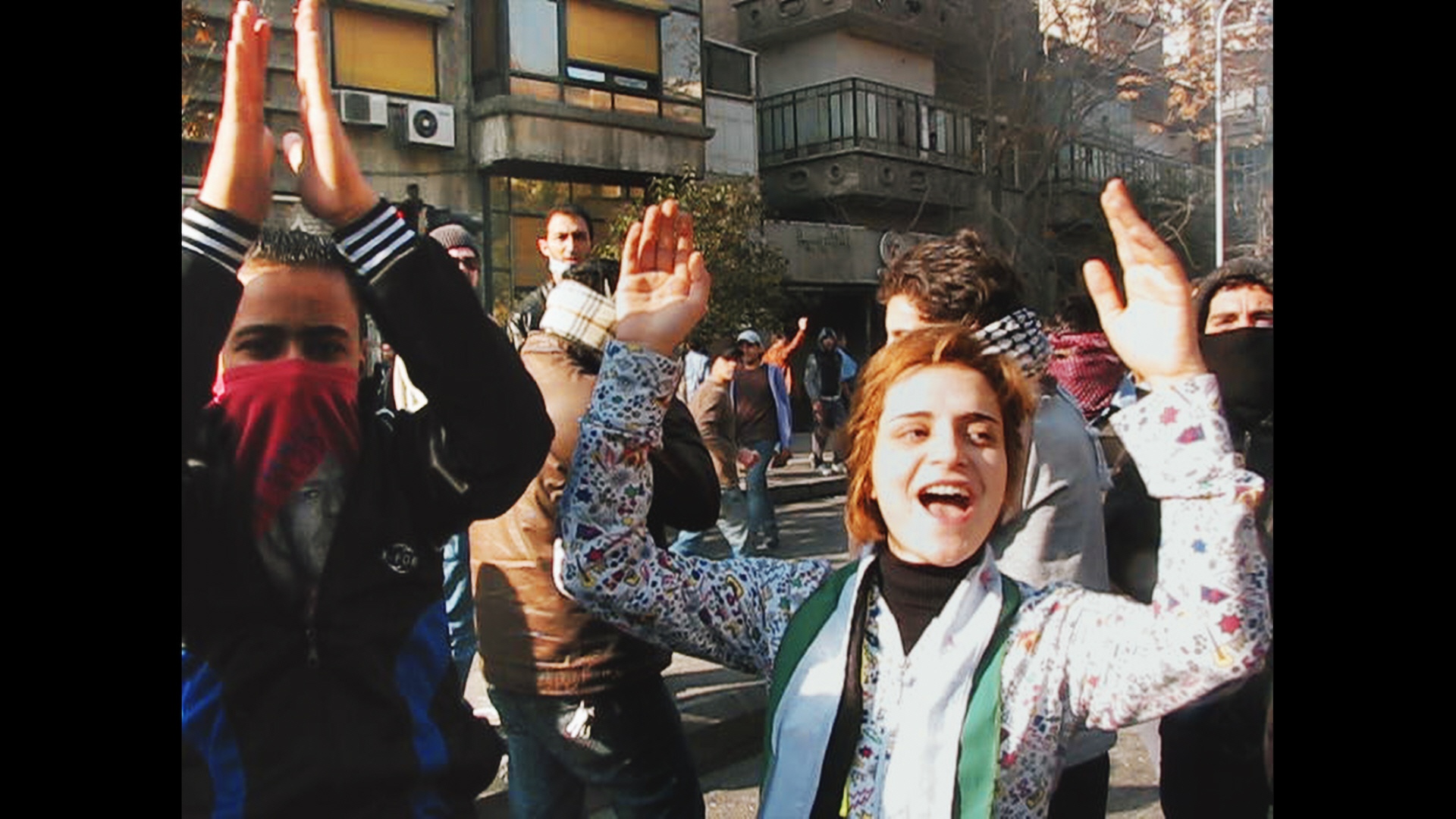
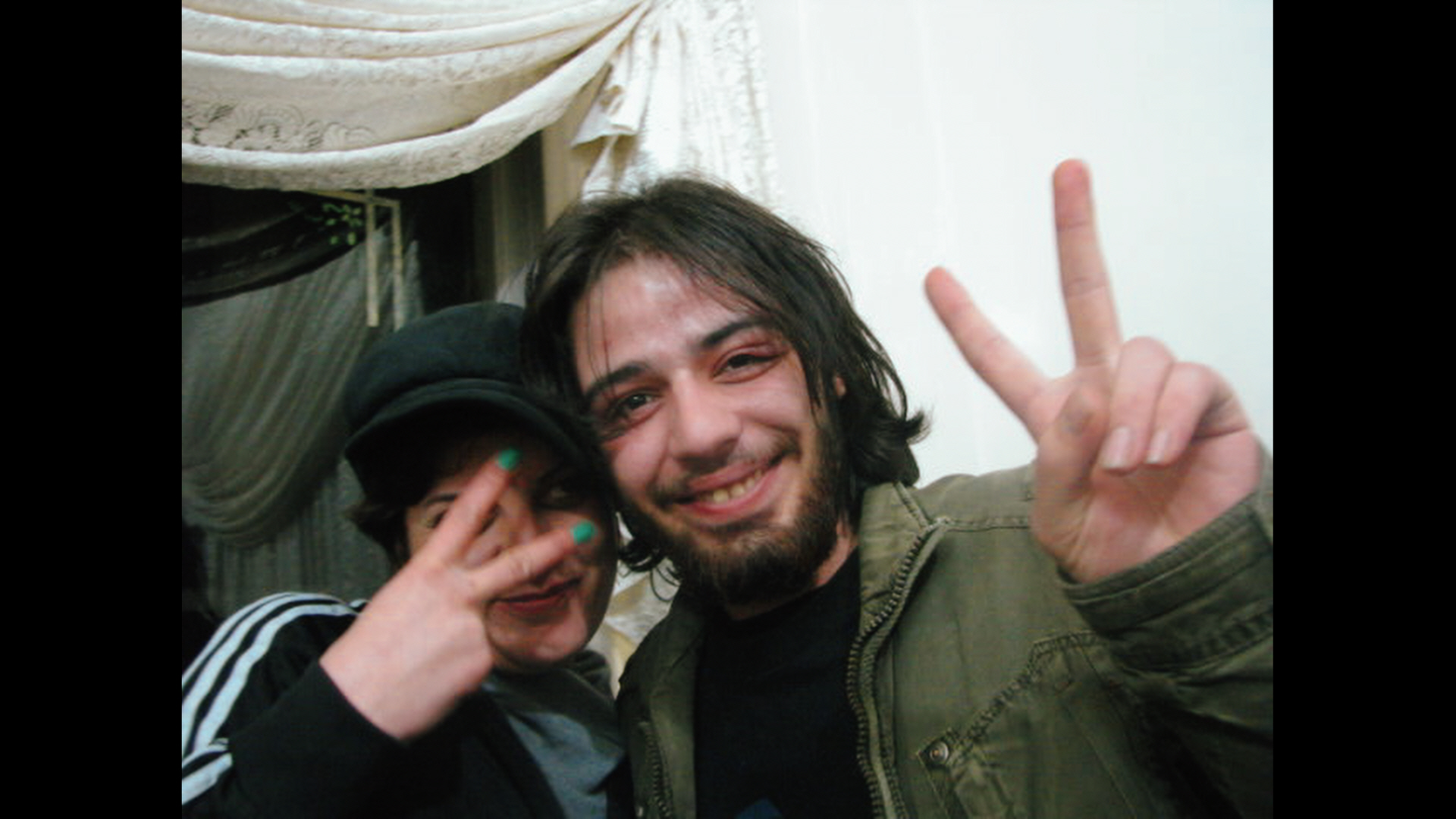
In March 2011, radio host Obaidah Zytoon and friends join the street protests against the oppressive regime of Syrian President Bashar al-Assad. Knowing the Arab Spring will forever change their country, this group of artists and activists begin filming their lives and the events around them. But as the regime’s violent response spirals the country into a bloody civil war, their hopes for a better future are tested by violence, imprisonment and death.
Director
-
 Andreas DalsgaardRedane (2014)
Life is Sacred (2014)
Travelling with Mr. T. (2012)
The Human Scale (2012)
Cities on Speed: Bogota Change (2009)The War Show is based on footage gathered by Obaidah while she lived in Syria and took part in the uprising. Some she shot herself, some was shot by friends. As we studied this footage together, it became obvious that it contained moments of immense power. Burt the collection had a very fragmented nature. How to tell a coherent story that wouldn’t jeopardize these moments for the sake of effective storytelling became our challenge. We wanted to let their individual power shine. The movie is told in 7 chapters to give the story an open-ended postcard quality. This lets the audience explore the scenes on their own, and lets them build their own story inside their minds. We don’t connect all the dots, but let the audience do it. The ambition to create a coherent wholesome story is corruptive by nature. The ‘Hero’s journey’ is seductive but rarely true. Nothing adds up in real life. Nothing is simple.
When we challenged the form of storytelling, a complex reality emerged that in our mind shows a much more human perspective on Syria and war itself. The movie is not obsessed with the creation of a ‘well-told’ narrative. Instead it challenges each moment and the interpretation that it contains. How did these events really happen? What is the role of the camera? How do people act towards the camera? What is construction of self and society that plays out in front of our eyes?
The construction of The War Show was based on hundreds of hours of conversations between ourselves and a wider community of Syrians. These conversations led to an analysis of every moment in the hundreds of hours of footage that was brought out of the country. From there followed a selection of the moments that would make it into the film. We wanted to tell a personal story about the fate of Obaidah and her friends, within the bigger context of the Syrian regime’s oppression. Of the war crimes it has committed. And of the fate of millions of people that are today suffering from the events in Syria. Whether they are refugees in exile, or children and adults still struggling for survival inside the country, how do we come to grasp their sense of being in the world? How do we gain an understanding of the tragedy they all endure? And how do we avoid exploiting their fates for the sake of entertainment and emotional exploitation, and instead gain a deeper understanding of the situation itself?
There are many important things to be told about Syria. We, as a world community, are only beginning to grasp its repercussions. To solve this crisis will take years. To analyze and learn from this tragedy will take decades. No other conflict has been filmed as much, yet the truth continues to evade us. The role of the camera itself, as a key narrator of the events, but also as a tool shapes reality itself, has yet to be analyzed in depth. There’s a new reality emerging based on old patterns. The axis of extremism and terrorism and its connection to regimes like that of Assad’s is underreported. The regime’s cynical game of exploiting terrorist networks to continue their corrupt and deeply criminal actions is not told. The global game of power played by Saudi Arabia, Iran, Russia, US and turkey, has turned Syrian soil into a proxy-war battlefield. The war is beginning fought by many other people than just Syrians. Yet the Syrian people’s desire for self determination that led to the uprising in 2011 is not gone. This film cam show what happened on the ground and in people’s minds. The horror of terrorism in Syria and in the larger world today is a deeply human tragedy, which can be explained and must be understood. It could have been different if the international will had been there.
The truth hides in the details. By studying each detail thoroughly and truthfully, we strongly believe that a more complete picture emerges. This is important. It is not for the sake for entertainment, but in the interest of writing history. We wanted to leave a document to the world which will have real value in years to come.
-
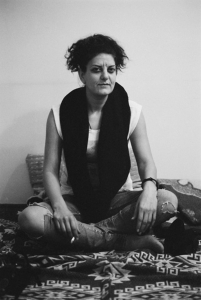 Obaidah ZytoonThe War Show (2016)
The War Show is based on footage gathered by Obaidah while she lived in Syria and took part in the uprising. Some she shot herself, some was shot by friends. As we studied this footage together, it became obvious that it contained moments of immense power. Burt the collection had a very fragmented nature. How to tell a coherent story that wouldn’t jeopardize these moments for the sake of effective storytelling became our challenge. We wanted to let their individual power shine. The movie is told in 7 chapters to give the story an open-ended postcard quality. This lets the audience explore the scenes on their own, and lets them build their own story inside their minds. We don’t connect all the dots, but let the audience do it. The ambition to create a coherent wholesome story is corruptive by nature. The ‘Hero’s journey’ is seductive but rarely true. Nothing adds up in real life. Nothing is simple.
When we challenged the form of storytelling, a complex reality emerged that in our mind shows a much more human perspective on Syria and war itself. The movie is not obsessed with the creation of a ‘well-told’ narrative. Instead it challenges each moment and the interpretation that it contains. How did these events really happen? What is the role of the camera? How do people act towards the camera? What is construction of self and society that plays out in front of our eyes?
The construction of The War Show was based on hundreds of hours of conversations between ourselves and a wider community of Syrians. These conversations led to an analysis of every moment in the hundreds of hours of footage that was brought out of the country. From there followed a selection of the moments that would make it into the film. We wanted to tell a personal story about the fate of Obaidah and her friends, within the bigger context of the Syrian regime’s oppression. Of the war crimes it has committed. And of the fate of millions of people that are today suffering from the events in Syria. Whether they are refugees in exile, or children and adults still struggling for survival inside the country, how do we come to grasp their sense of being in the world? How do we gain an understanding of the tragedy they all endure? And how do we avoid exploiting their fates for the sake of entertainment and emotional exploitation, and instead gain a deeper understanding of the situation itself?
There are many important things to be told about Syria. We, as a world community, are only beginning to grasp its repercussions. To solve this crisis will take years. To analyze and learn from this tragedy will take decades. No other conflict has been filmed as much, yet the truth continues to evade us. The role of the camera itself, as a key narrator of the events, but also as a tool shapes reality itself, has yet to be analyzed in depth. There’s a new reality emerging based on old patterns. The axis of extremism and terrorism and its connection to regimes like that of Assad’s is underreported. The regime’s cynical game of exploiting terrorist networks to continue their corrupt and deeply criminal actions is not told. The global game of power played by Saudi Arabia, Iran, Russia, US and turkey, has turned Syrian soil into a proxy-war battlefield. The war is beginning fought by many other people than just Syrians. Yet the Syrian people’s desire for self determination that led to the uprising in 2011 is not gone. This film cam show what happened on the ground and in people’s minds. The horror of terrorism in Syria and in the larger world today is a deeply human tragedy, which can be explained and must be understood. It could have been different if the international will had been there.
The truth hides in the details. By studying each detail thoroughly and truthfully, we strongly believe that a more complete picture emerges. This is important. It is not for the sake for entertainment, but in the interest of writing history. We wanted to leave a document to the world which will have real value in years to come.
아시아 경쟁
아시아의 시선상
Life Imitation
- China
- 2017
- 82
- DCP
- Color
- Korean Premiere
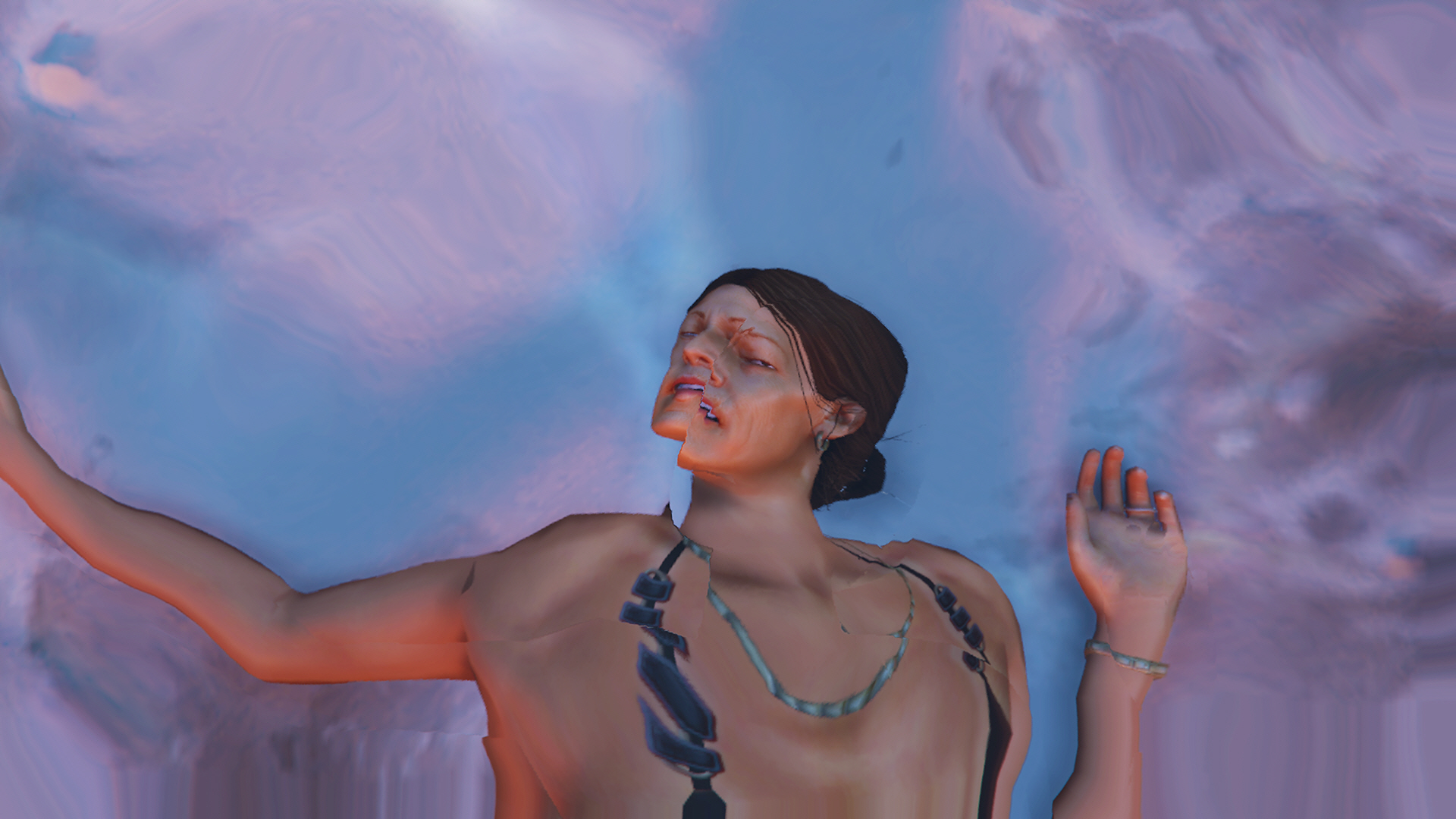

Synopsis
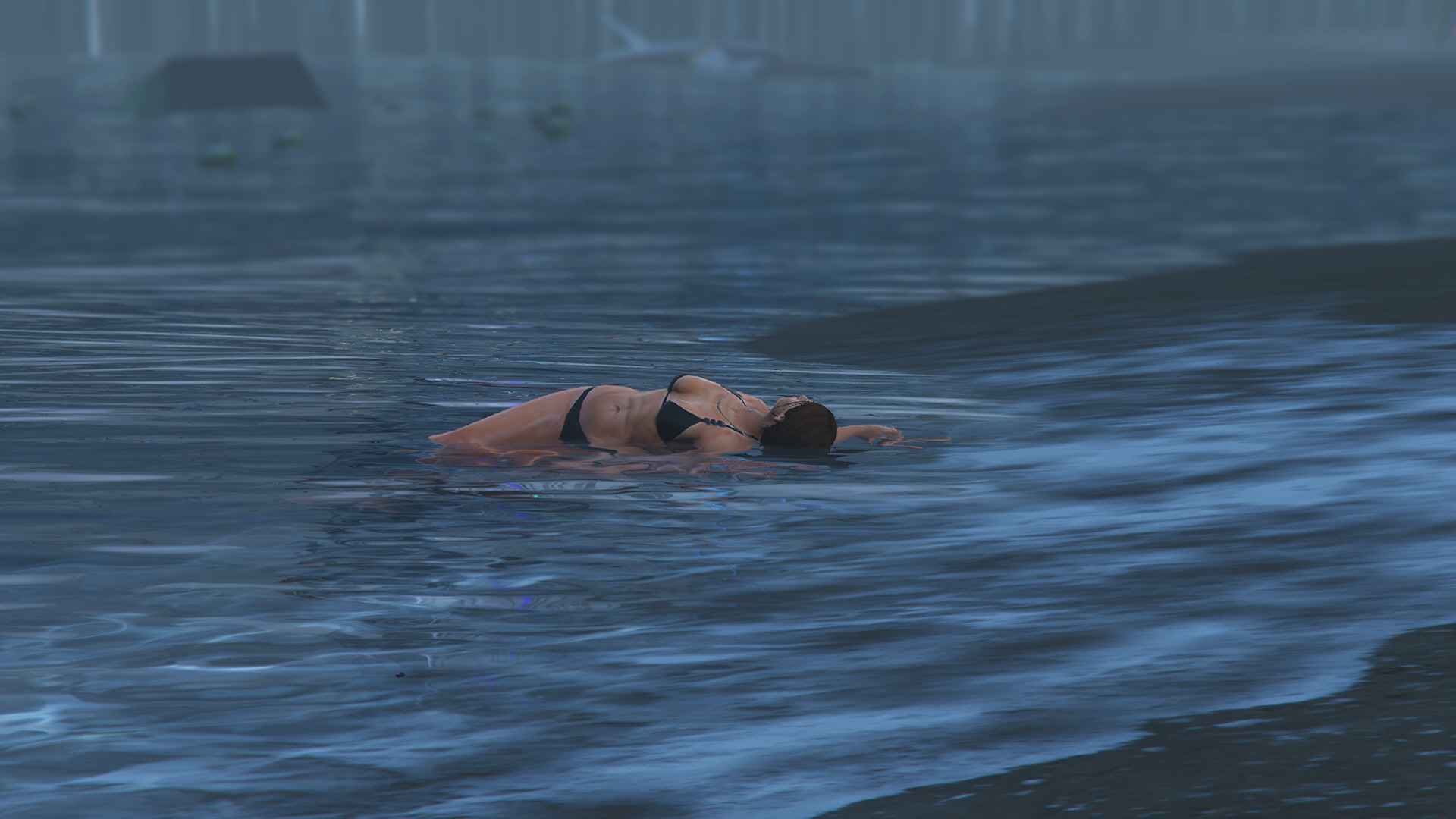
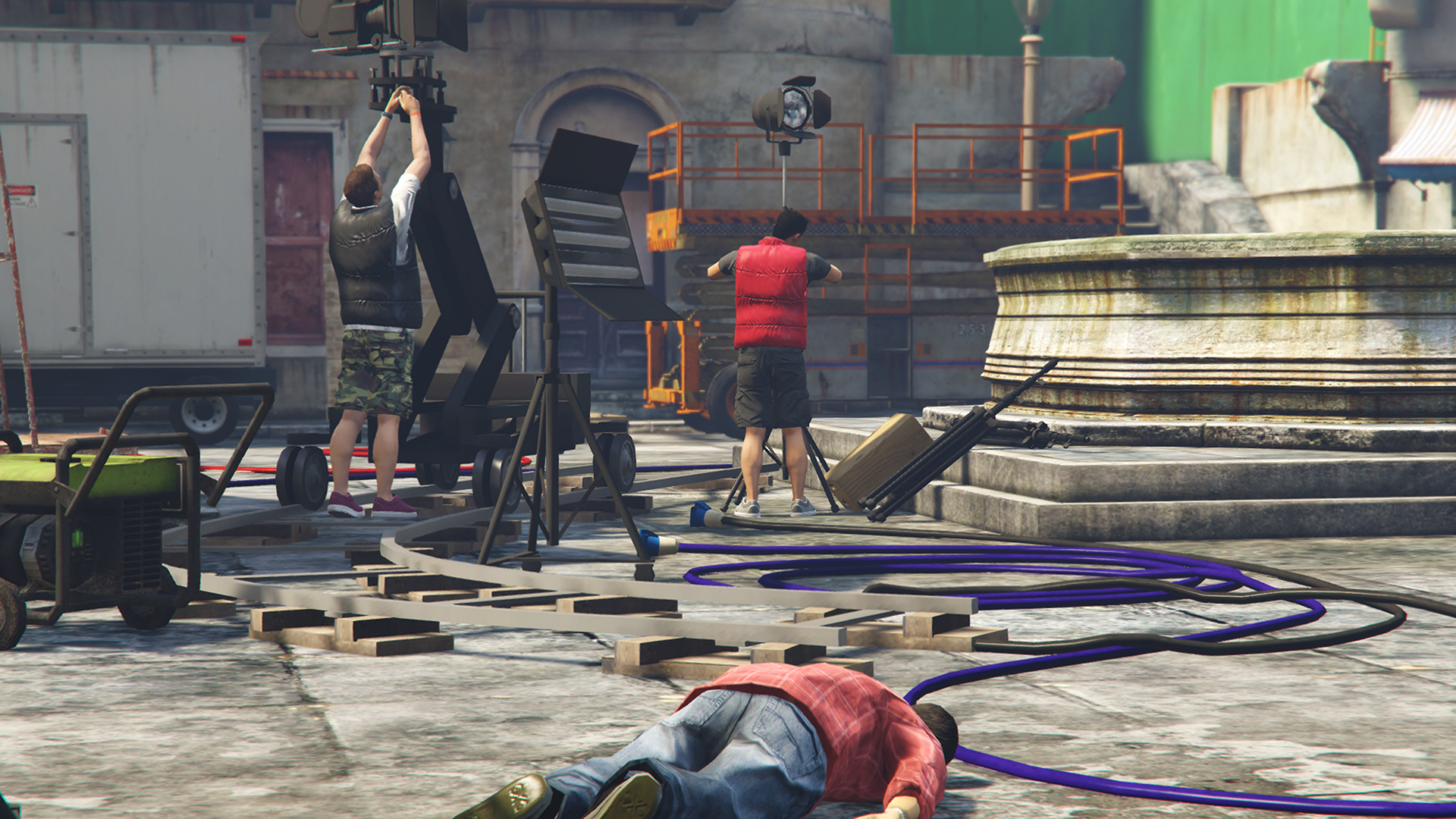
This film parallels the real life with a virtual game. In the game, a female killer wanders the streets of Los Angeles on a dark night.
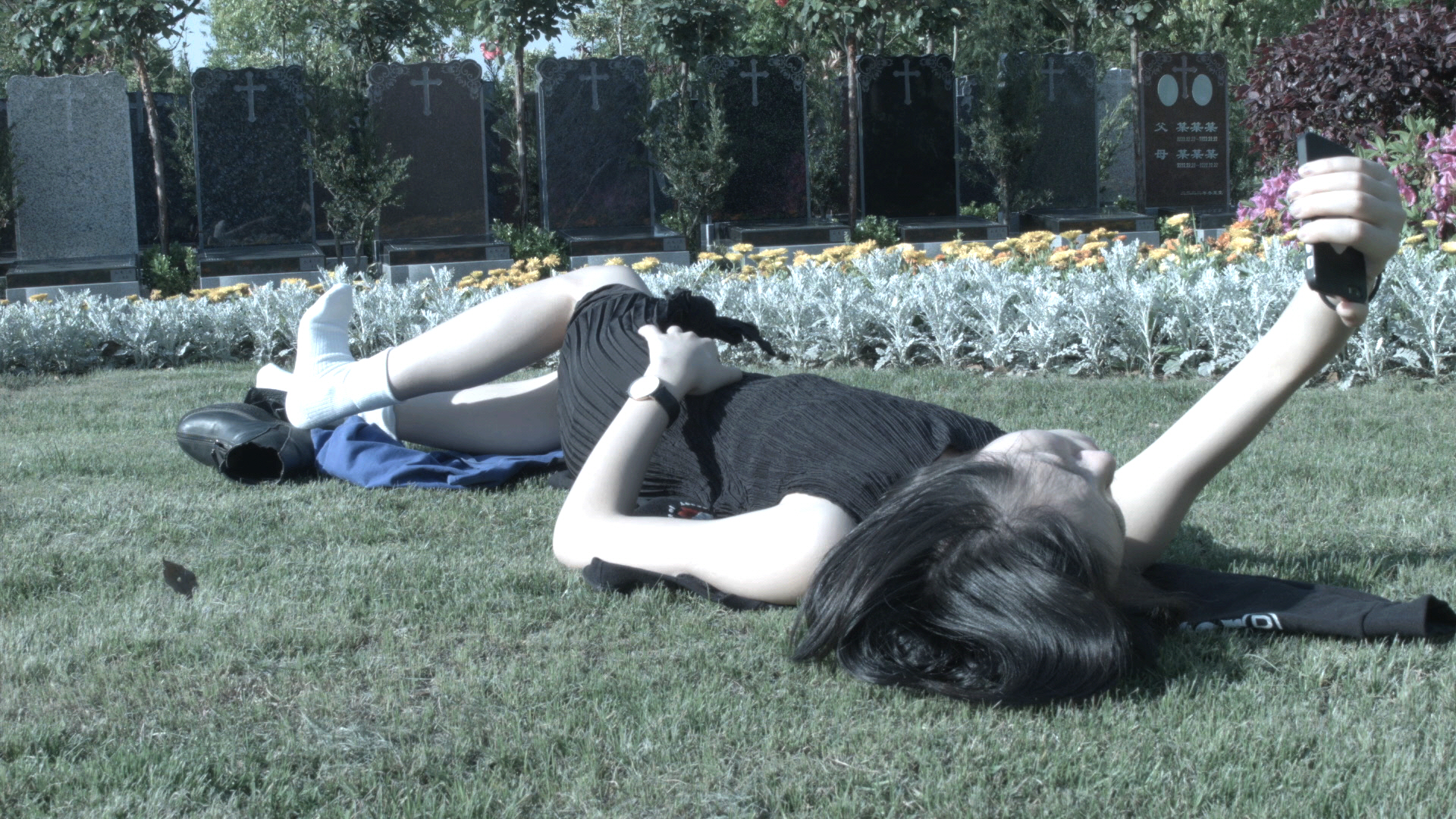
Police sirens wail all around. There are people lying in the streets... possibly dead, possibly asleep. In real life, a woman expresses
her suffering and depression over her love life. We also see different episodes of young people's life in Shanghai, which showed how
they give performances to try to fill their social roles in this big city.
Director
-
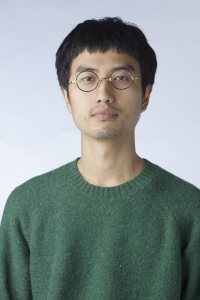 Zhou ChenLife Imitation (2017)
In this film, Zhou gave a group of intimate portraits of his friend and also his particular perspective into the contemporary Chinese urban young lives in an innovative form combining the exploration of sound and images. Different opinions and experience about society, sex, art and anxiety from especially young women in China animated the hypnotic, dreamlike rhythm of the film. It's openness and immersive environment encourages you to enter your own inner world, finding some relief, gaining some comfort, or generating some doubt.
한국경쟁
최우수 한국 다큐멘터리상
Forgetting and Remembering 2 : Reflection
- Korea
- 2017
- 175min
- DCP
- Color
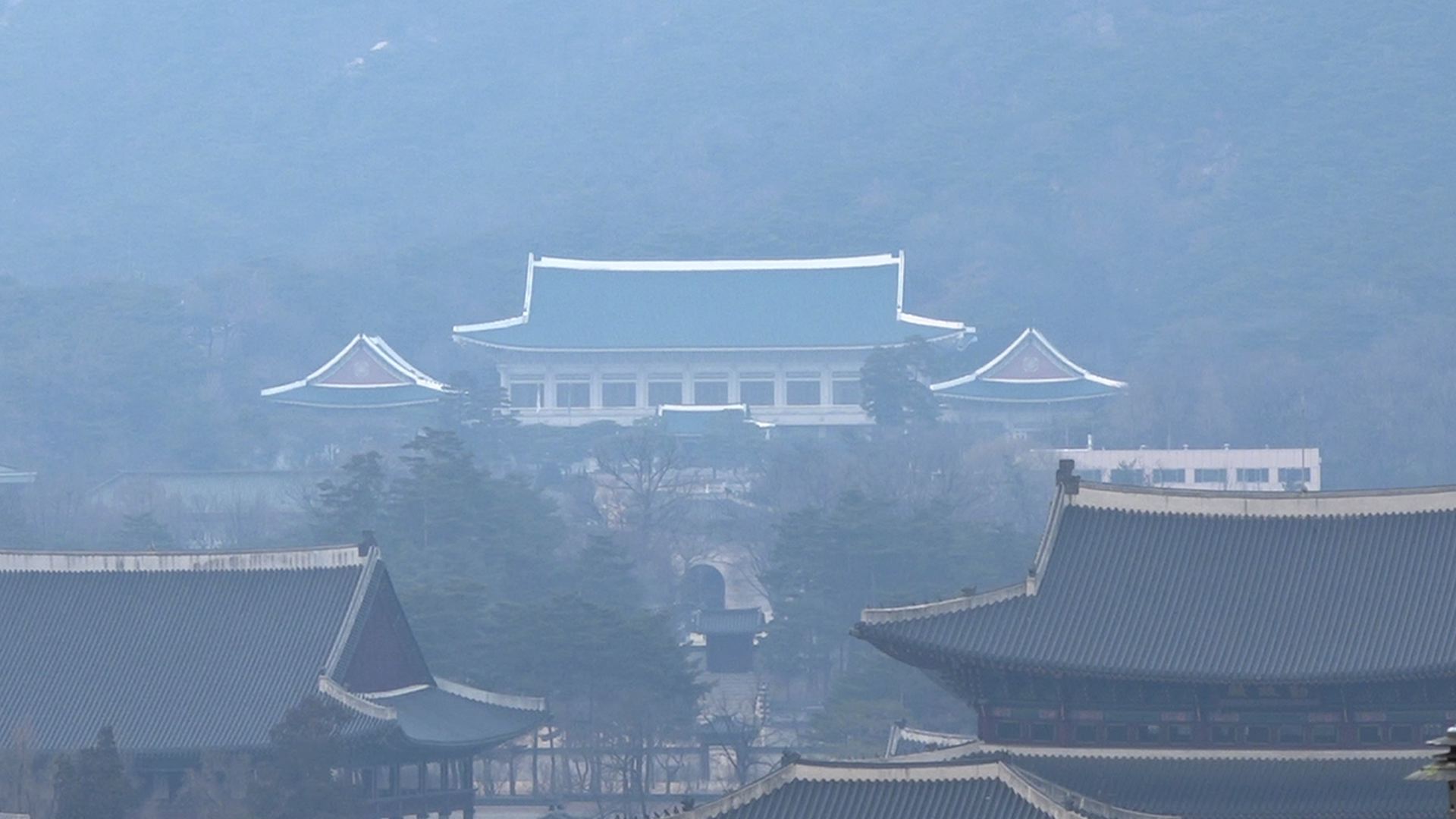
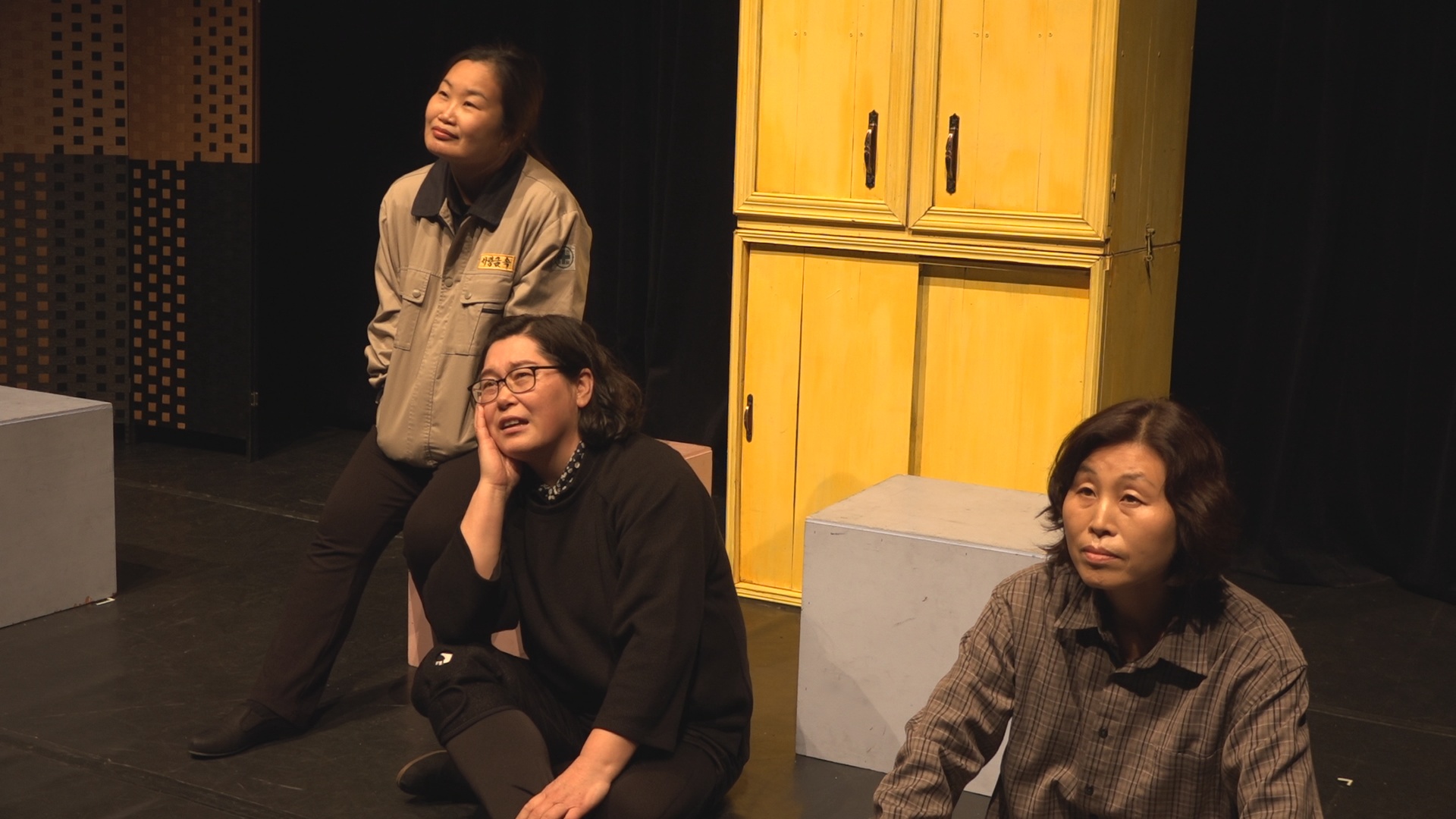
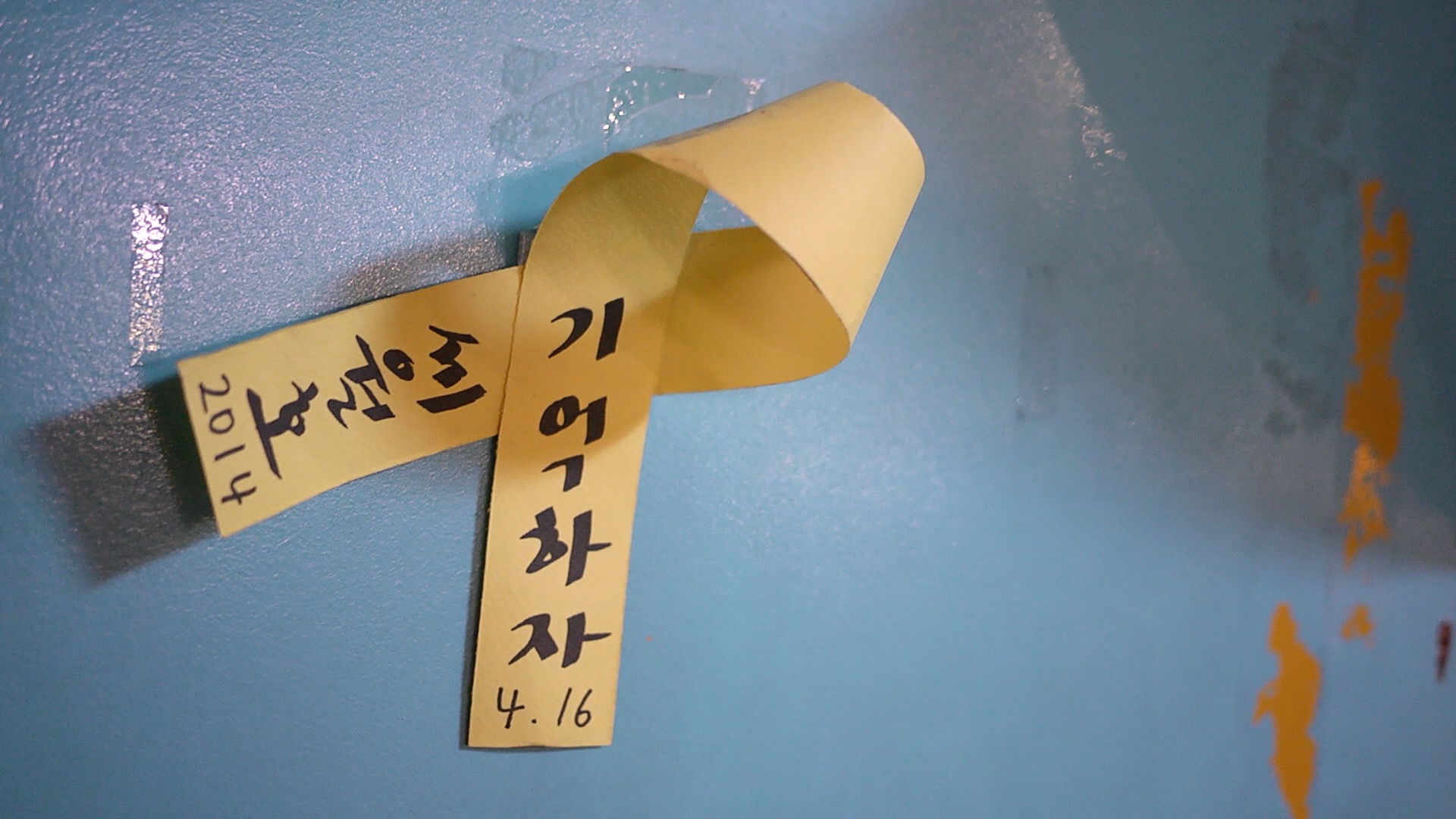
Synopsis
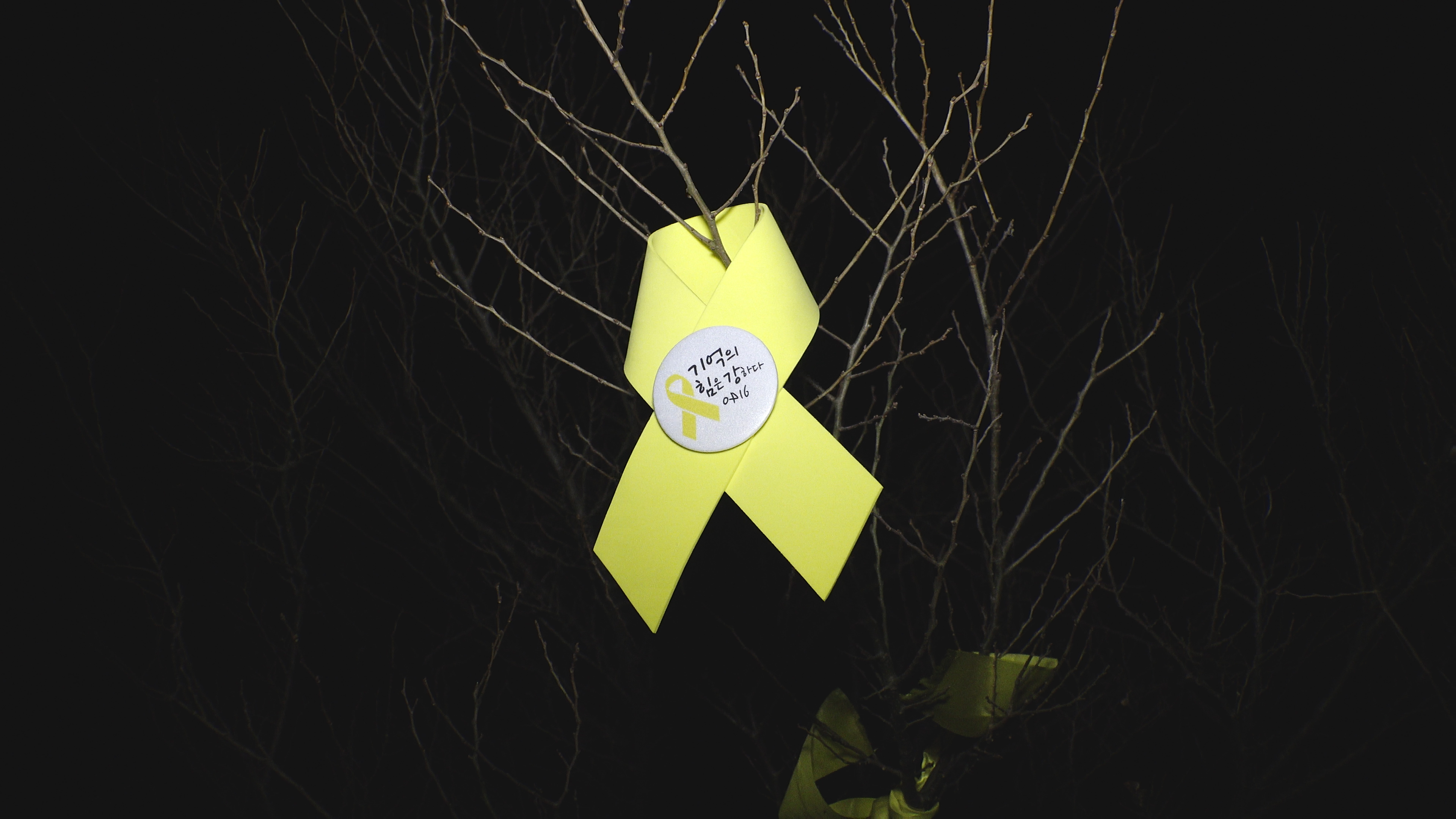
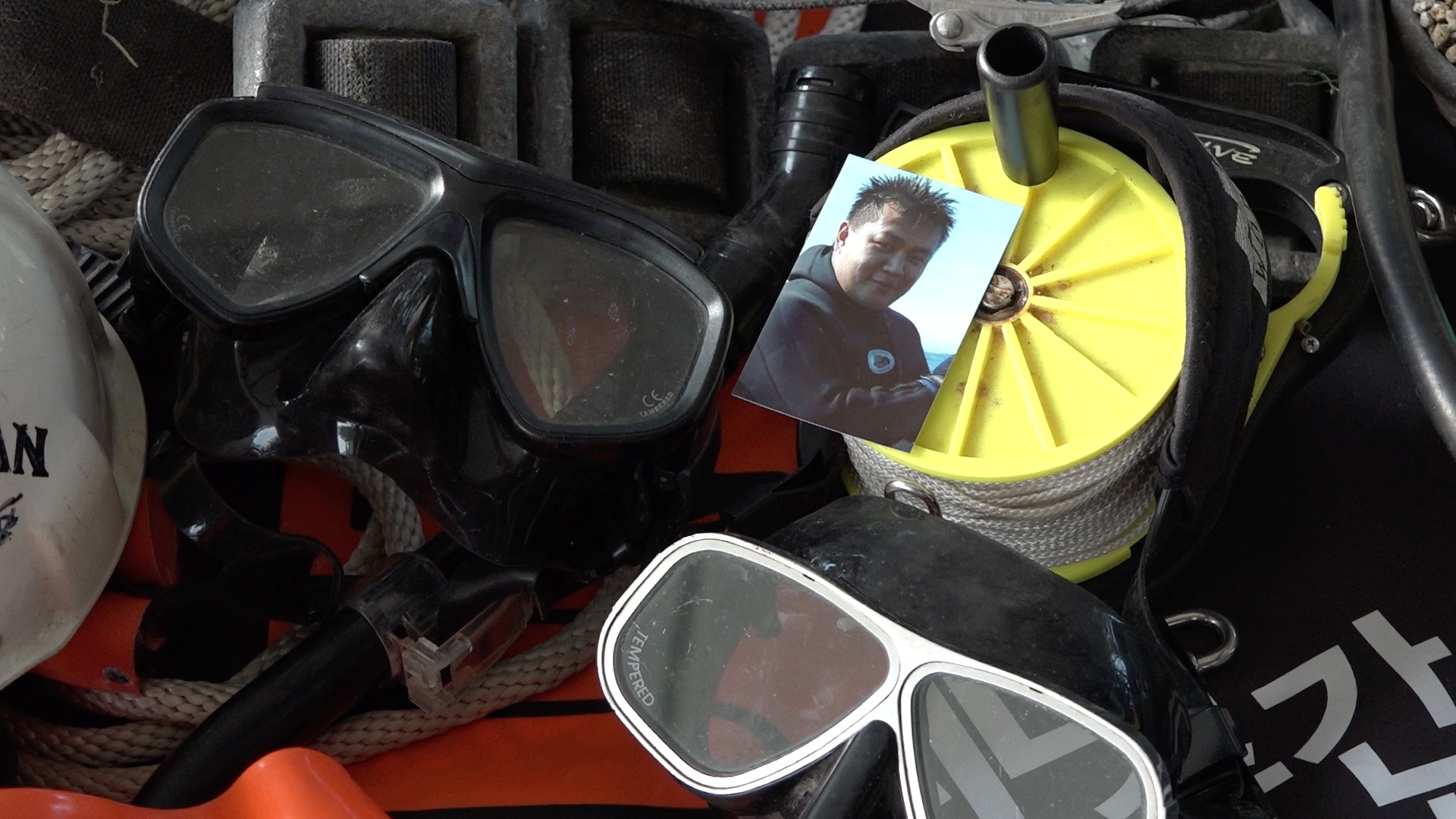
April 16, 2014. A cruise ship with 476 passengers left for Jeju Island. And 304 passengers were never able to come back. Everyone watched the scene of 304 universes disappearing through live broadcasting. In the face of this painful disaster, some struggled to remember and some tried their best to erase the whole thing. This film records the collective trauma of Korean society after the disaster and asks why the 304 victims can’ t peacefully rest in the eternal sleep. [Via: Diaspora Film Festival 2017]
Director
-
 4.16 Act Media Committee바다에서 온 편지 A letter from the Sea (2015)
망각과 기억1 416 Project: Oblivion and Memory (2016)For the last three years, the mainstream media has distorted and dismissed the issues and news surrounding the Sewol Ferry disaster. On the other hand, the April 16 (4.16 Media Team) Media Project Team has been consistently and persistently with the families of Sewol Ferry disaster.What was it like to live as survivors of the disaster? What about the civilian divers who have risked their lives to salvage the bodies who have been continually maligned and accused of conduncting such brave acts of heroism for their own self-interests or fame? What was their "three years" have been like for them? Those with overarching lies and cover-ups, trying to distort the truth and evading from responsibilities; theater performing artists who have fought against obscurity and finally the collective efforts to preserve and commemorate the victims of the disaster with memorials and education. The 4.16 Media Committee hopes to reflect these 3 years and moving forward ask ourselves how we can confront the the returning spring.
심사위원 특별상
Rice Flower
- Korea
- 2017
- 80min
- DCP
- Color
- World Premiere
Synopsis
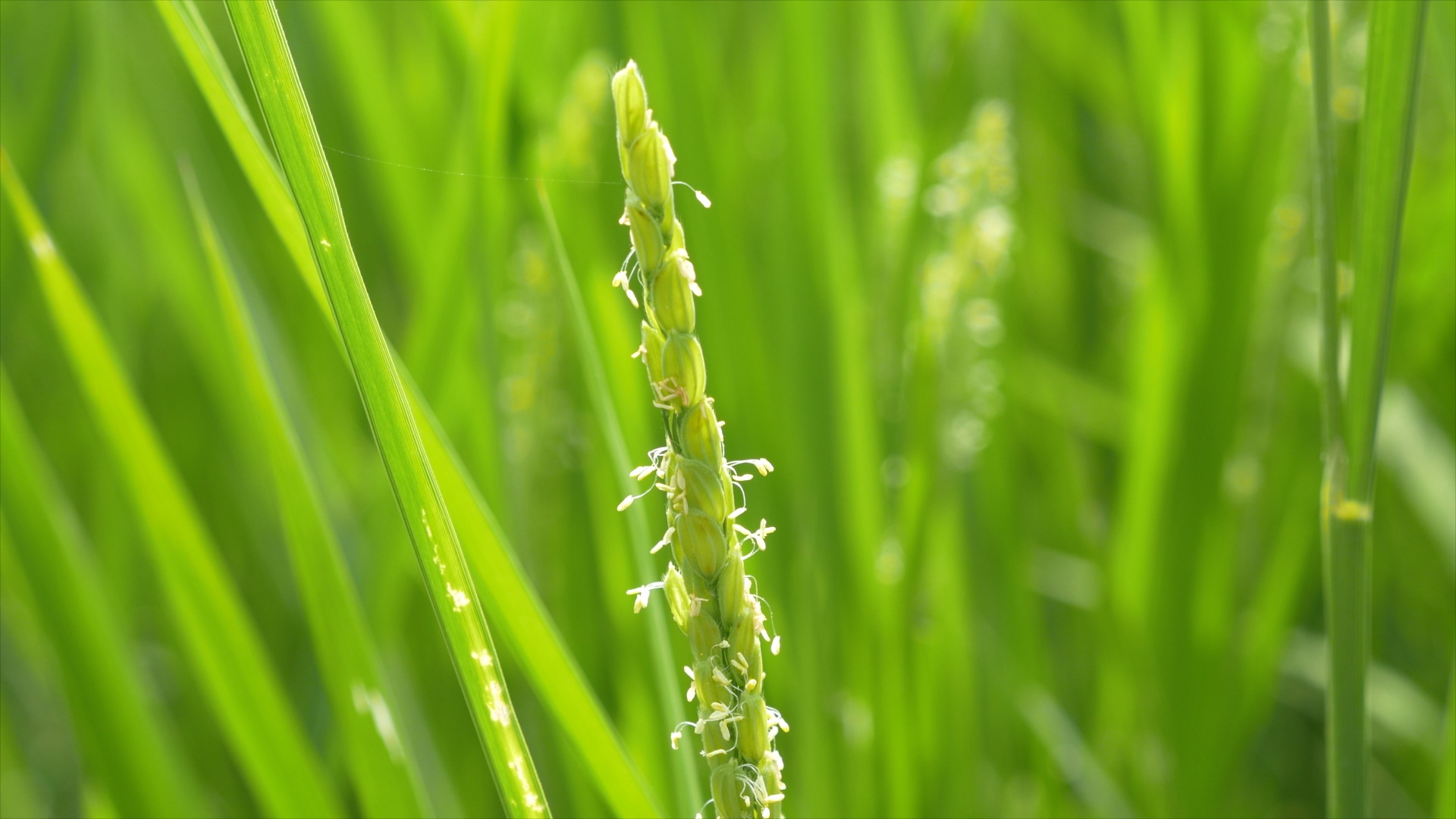
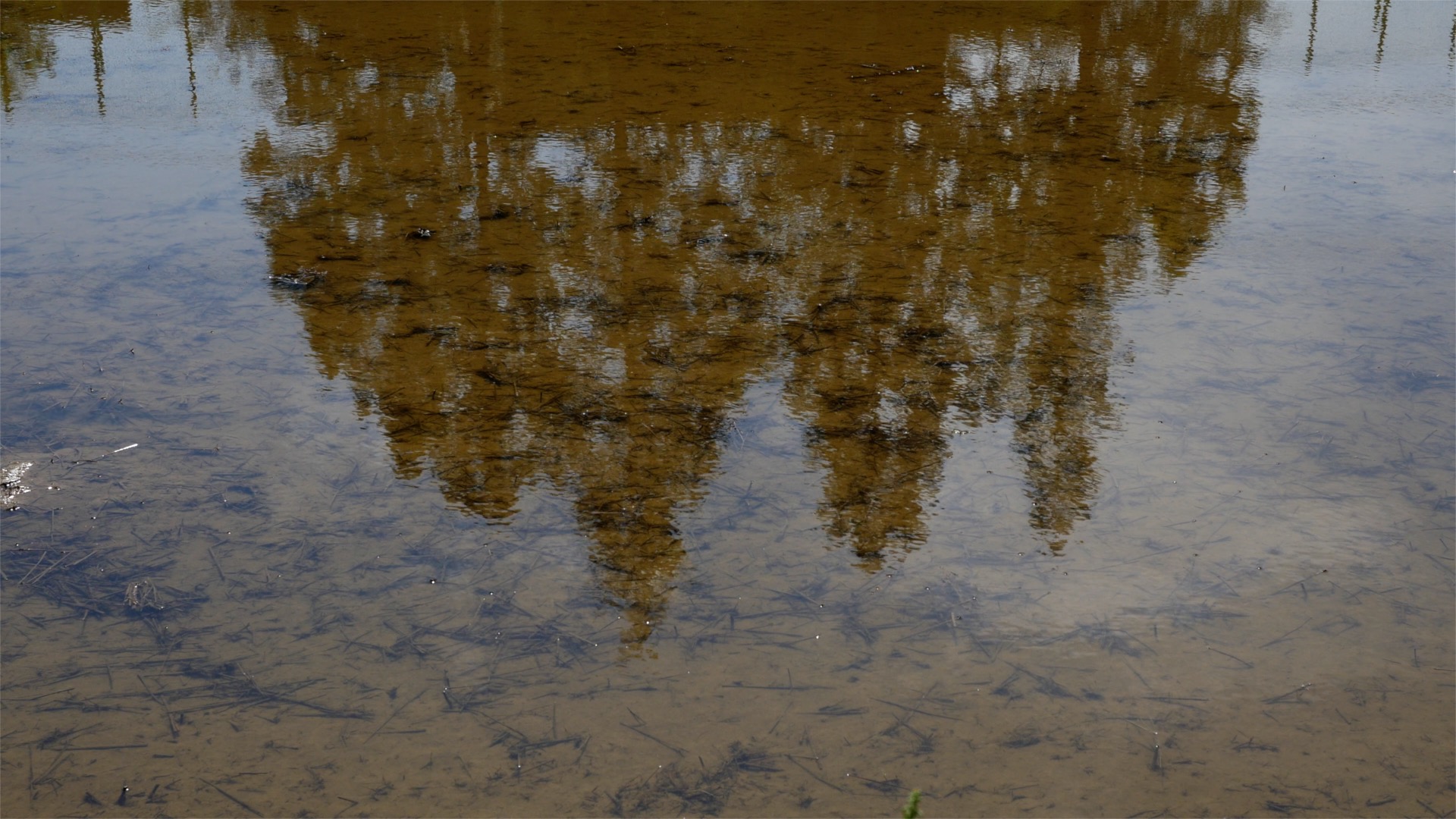
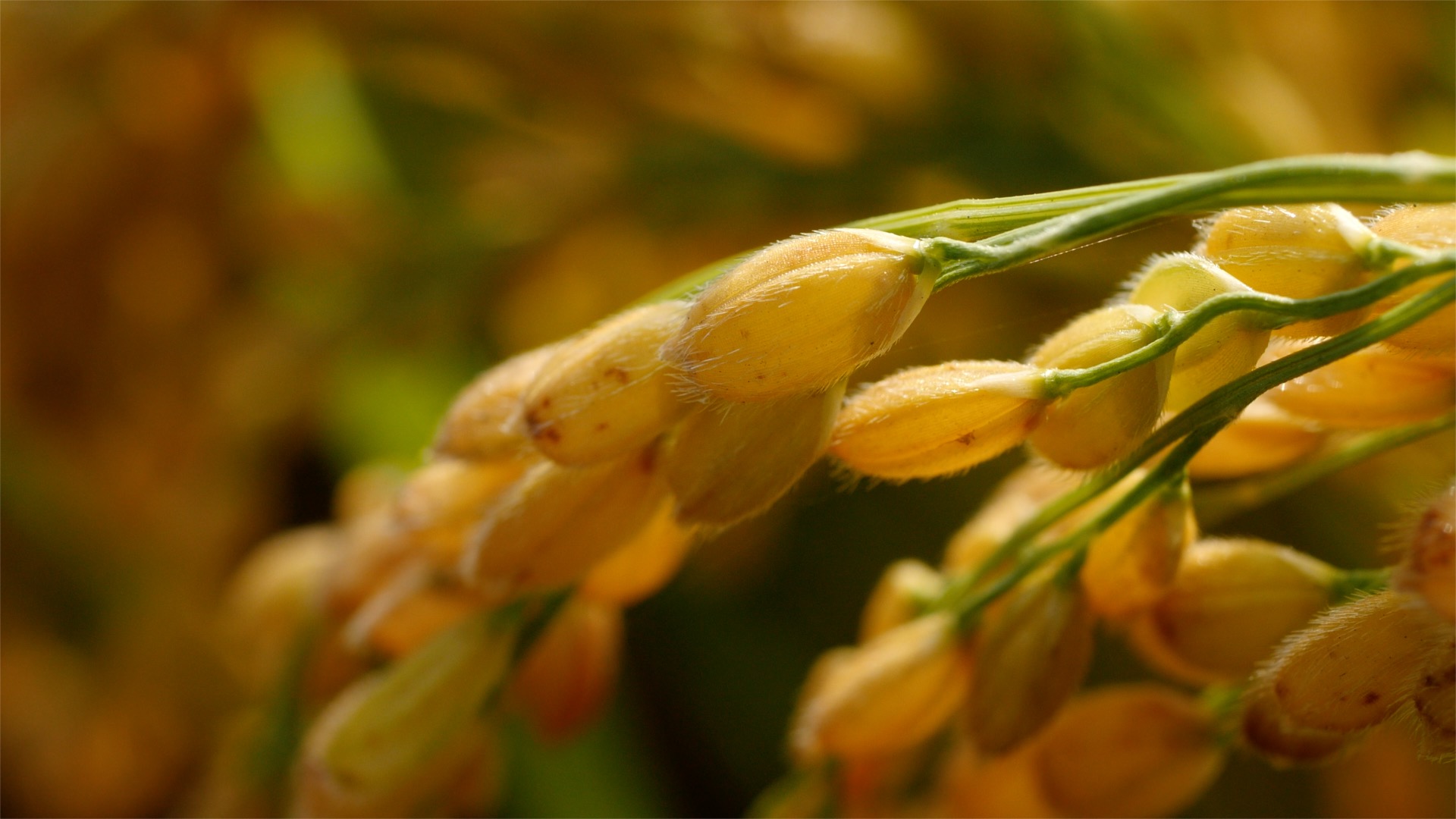
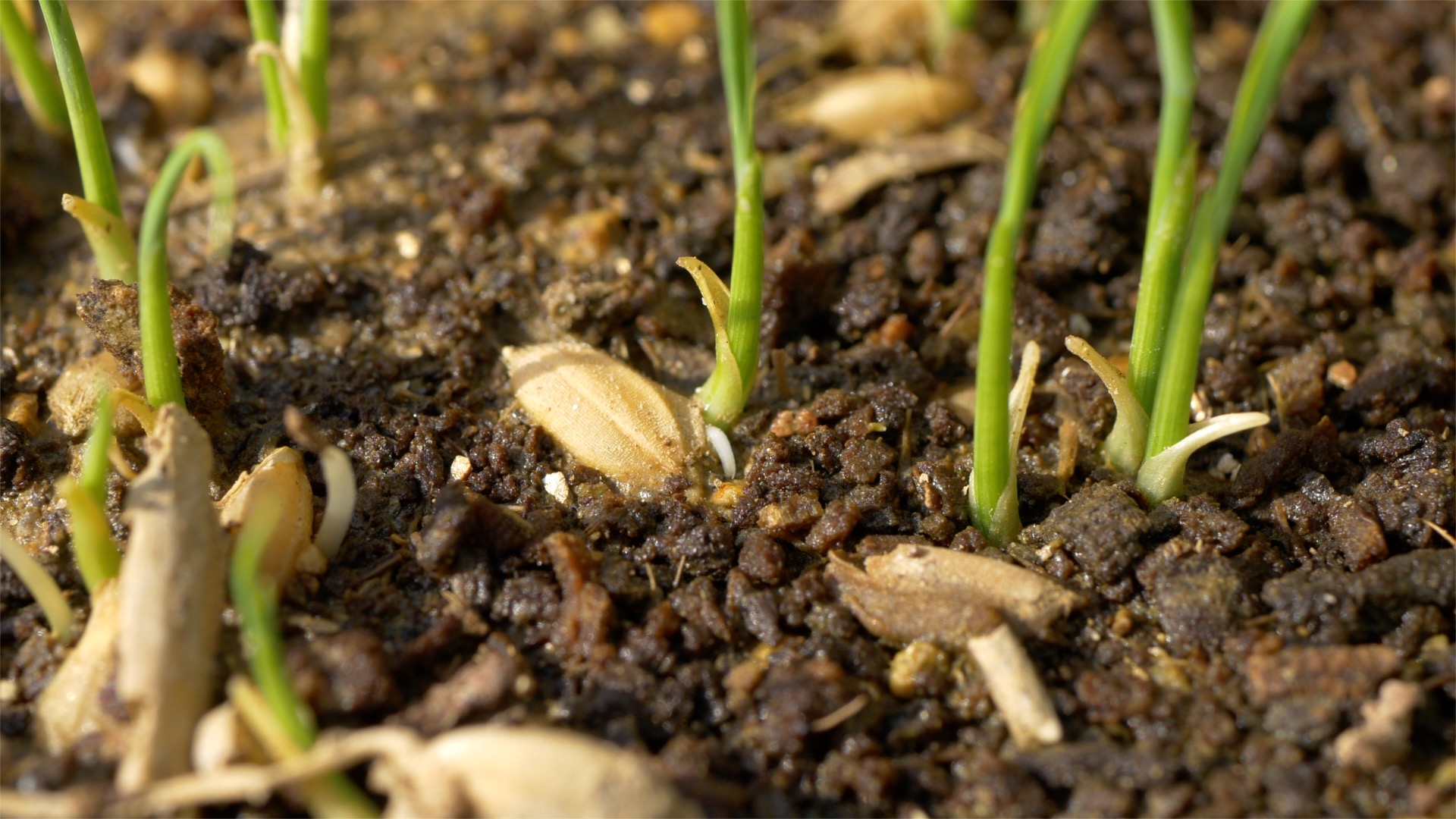
The farmer goes to the ground. Water flows. The rice grows. Rice that goes to rice fields grows in the wind, rain, and sunlight. Rice has life. Rice is ripe. It is cut off. It crosses the winter and brings life again.
Small rice seeds become 'rice paddies', and soil, sunlight, wind and water meet and become rice. As the four seasons of rice farming unfold, the ecological changes of rice and the real problems of the farmers are revealed.
Director
-
 Oh Jung-hunI Wanna Sing (2012)
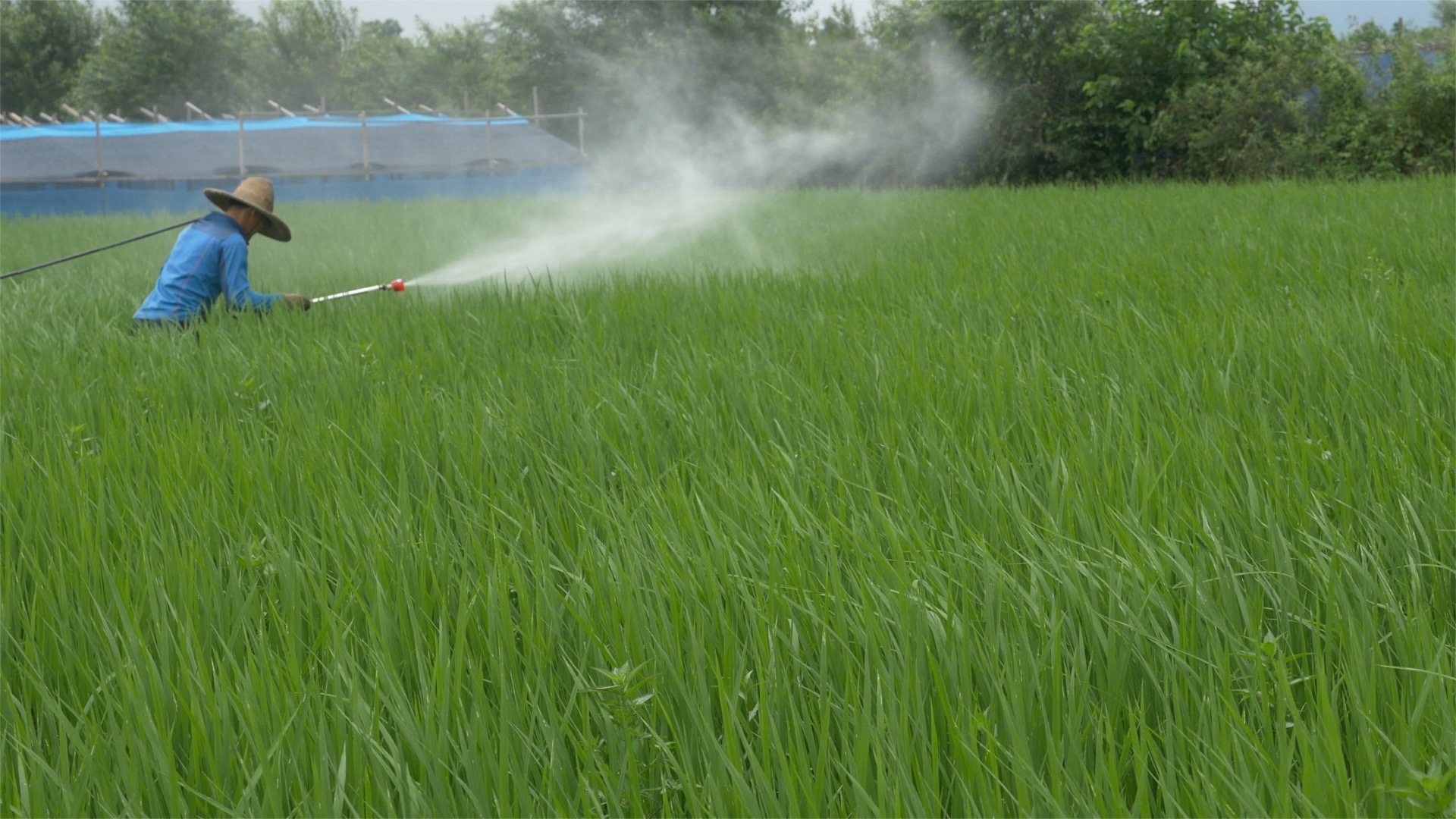
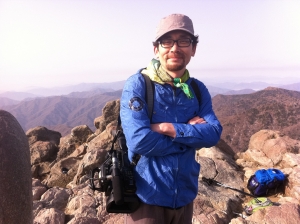
The new school (2011)This documentary is about the eco-friendly rice farming process of a farmer and the circulation of rice. I want to concentrate on the film. I want to take a deep look at the life of rice and the rice that are made by the sky and the land. I also want to find the farmer's hand and sweat that can be found in rice.
특별상
용감한 기러기상
To Kill Alice
- Korea
- 2017
- 76min
- DCP
- Color
- World Premiere
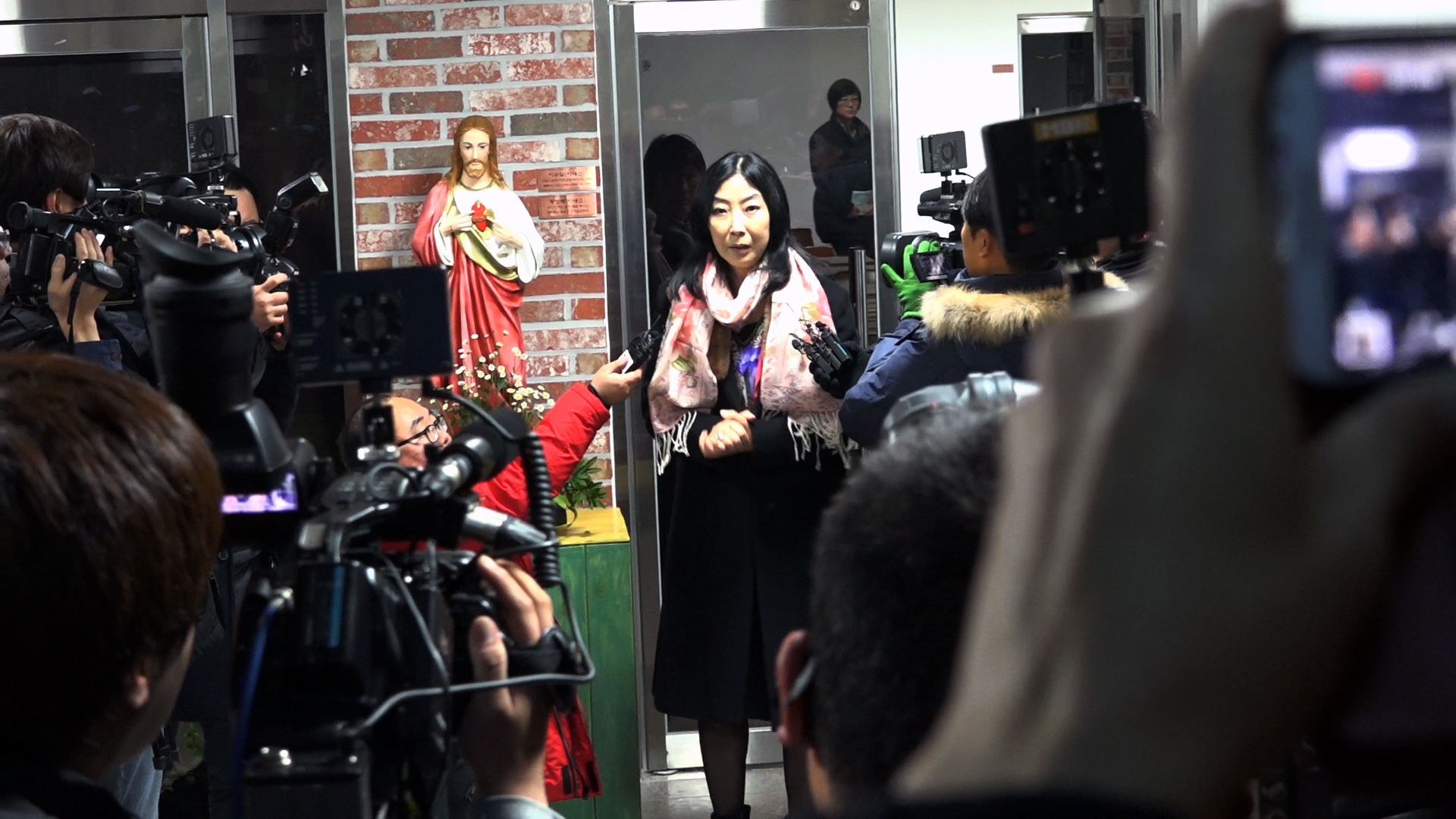
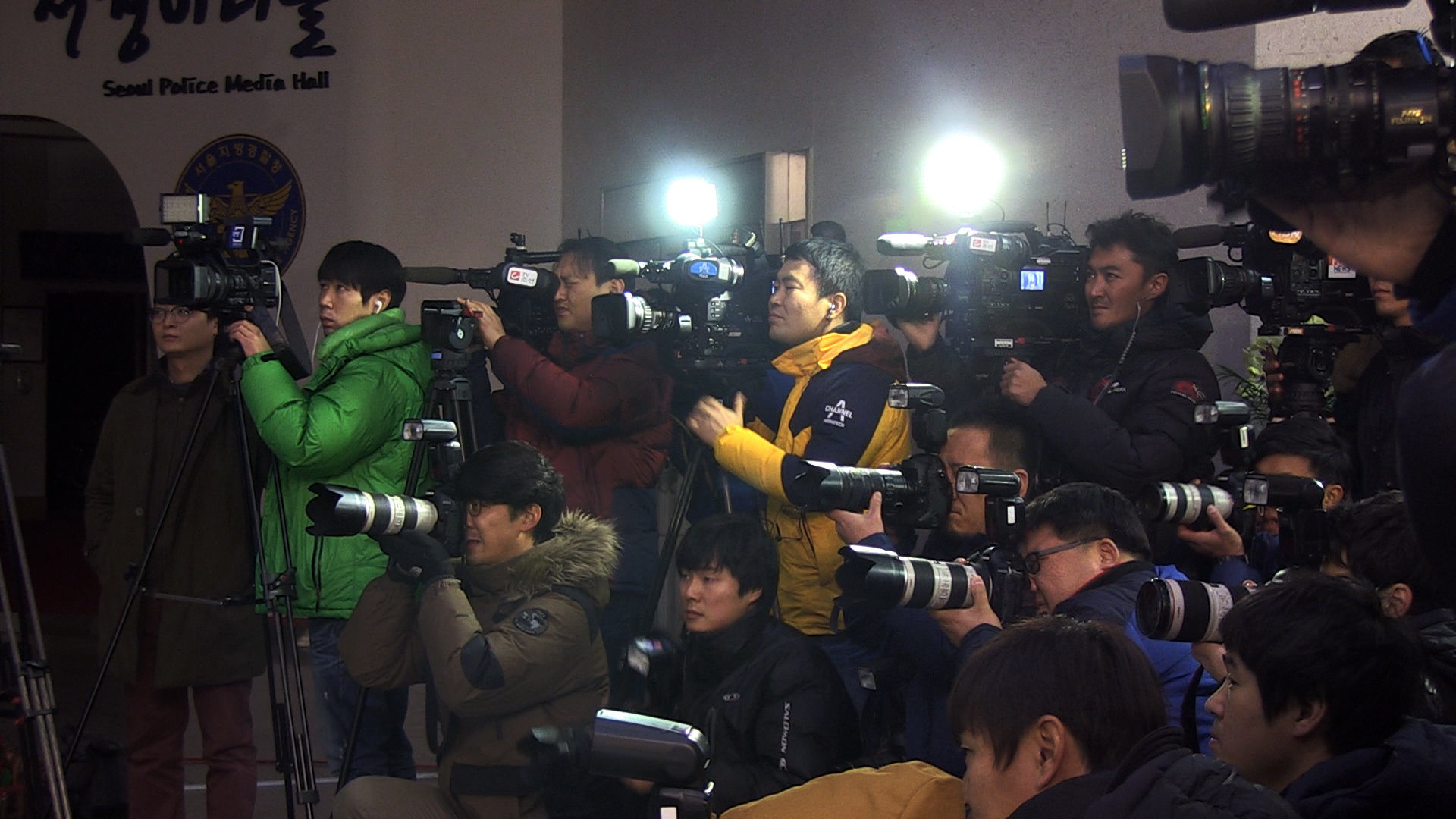
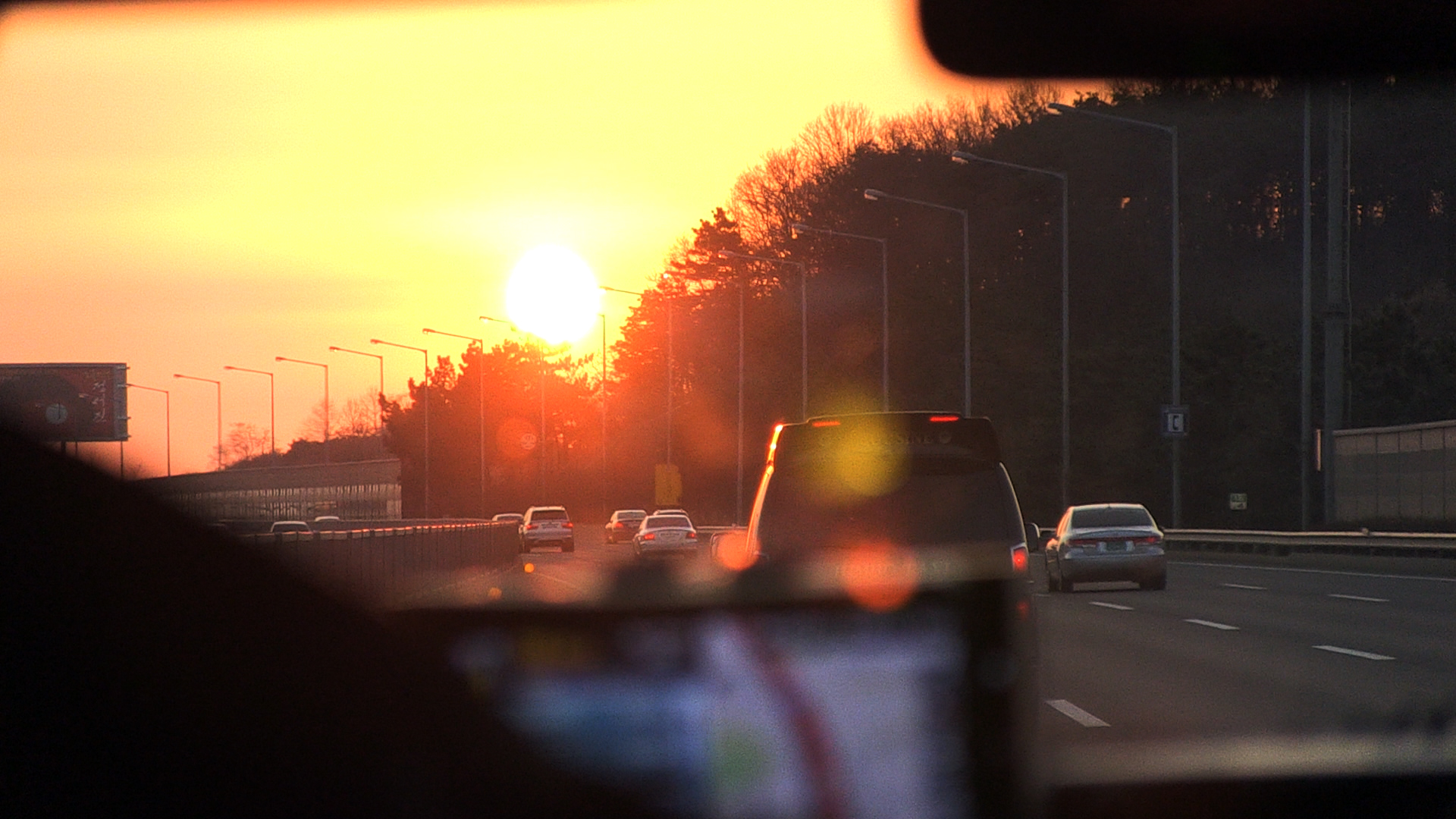
Synopsis
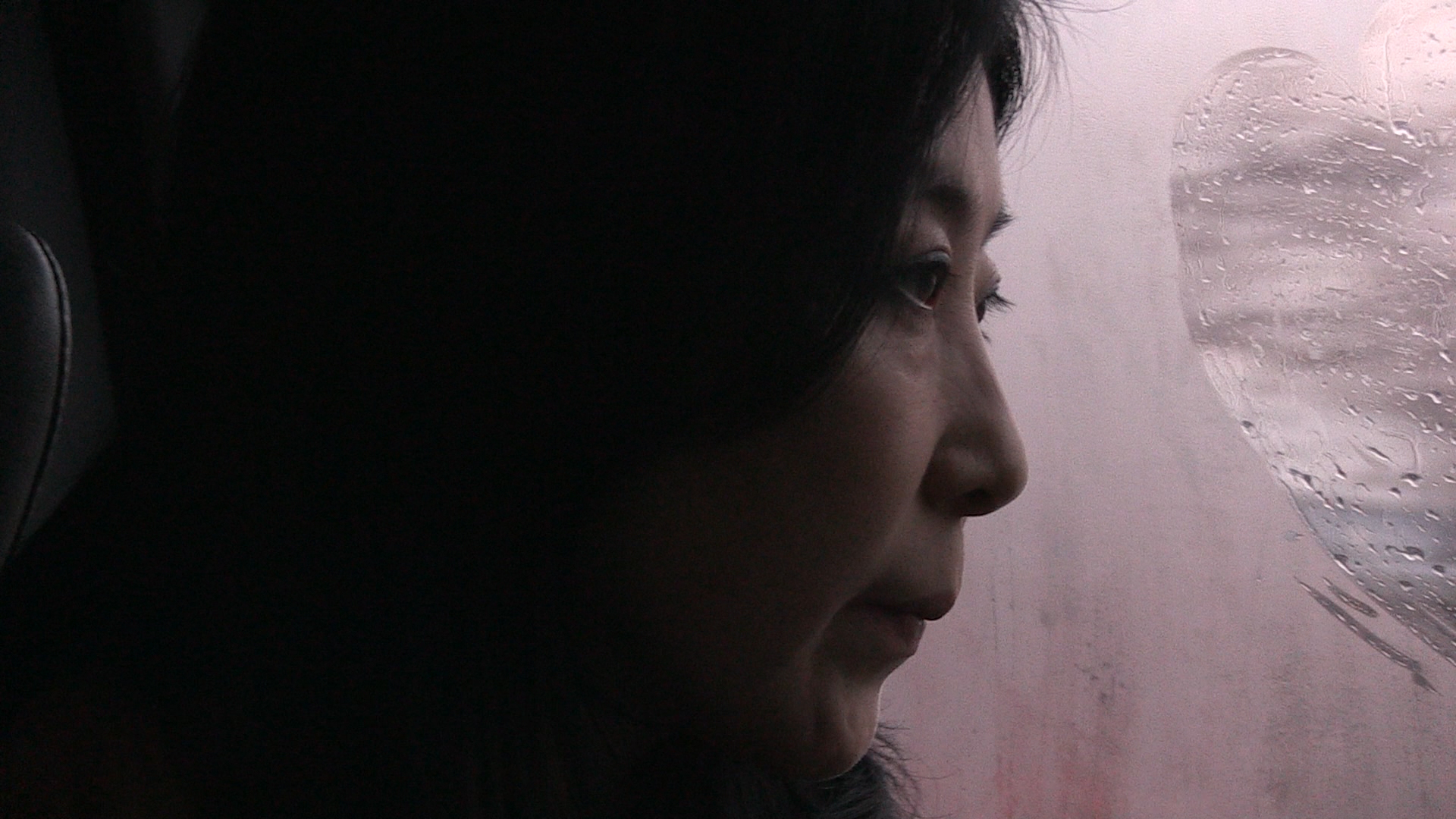
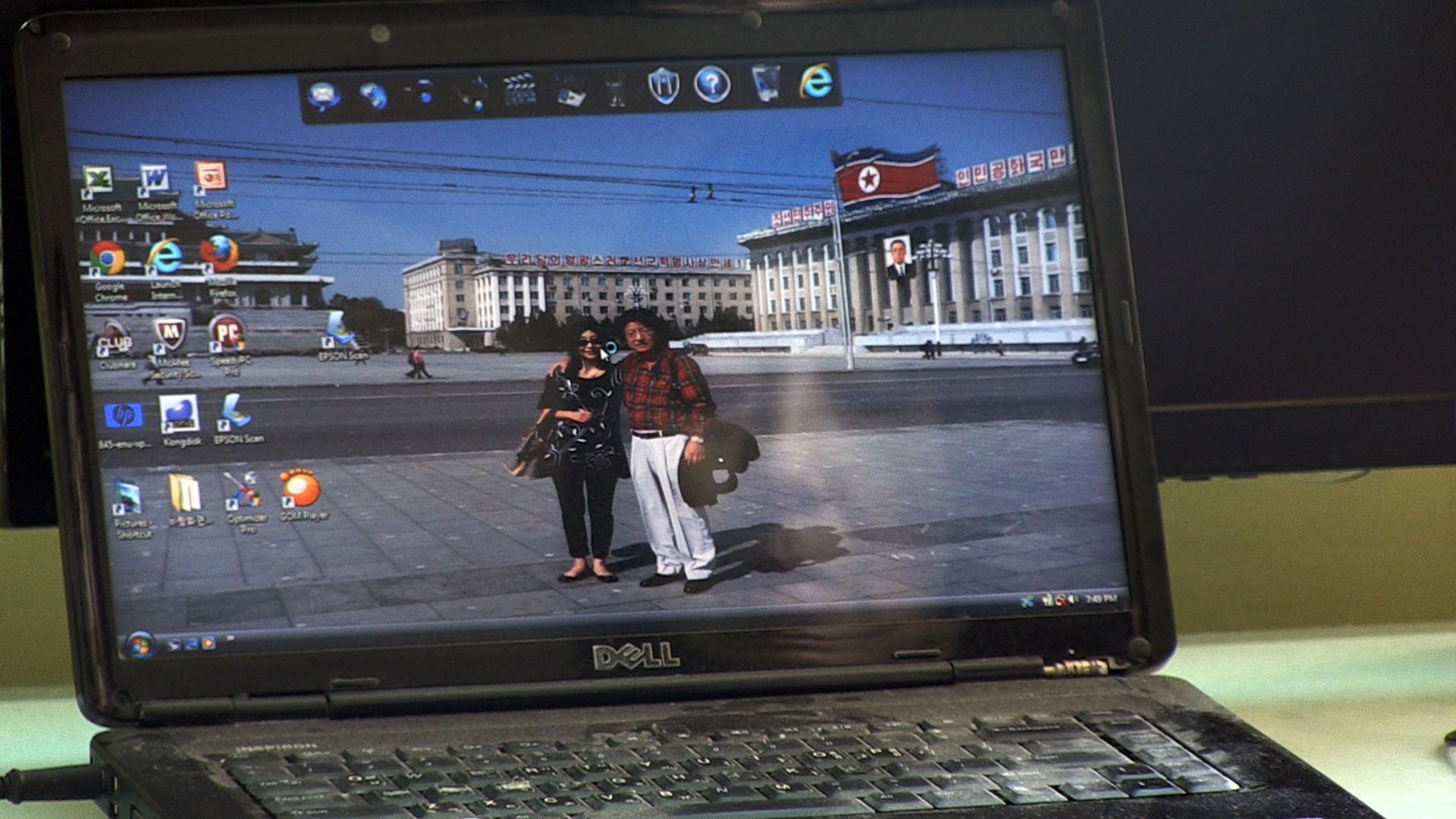
Eunmi, a woman who underwent intense anticommunist education up as she grew up in South Korea, lives a normal life in America. However, after going on a trip to North Korea with her husband, her life begins to change. During a open forum event in South Korea taht she was invited to speak at, she suffers the unimaginable and the more she tries to escape from the situation, the worse and worse ot gets.
Director
-
 Kim Sang-kyuKAL858 (2016)
April Again (2015)
The Truth Shall Not Sink (2014)
Remember (2014)Most information about North Korea is controlled by the government and the media. The government only allows information good for sustaining its regime and security, the media only writes down it without a devotion for truth. In winter of 2014, South Korea was abuzz with outrage over the words of ‘pro-North Korea’, democracy and human rights were severely shaken. This film is about the media who lives in anger and hatred, the anticommunist state who separates non-citizen from citizen, and the people who are not free from it.
아름다운 기러기상
Counters
- Korea
- 2017
- 96
- DCP
- Color/B&W
- World Premiere



Synopsis
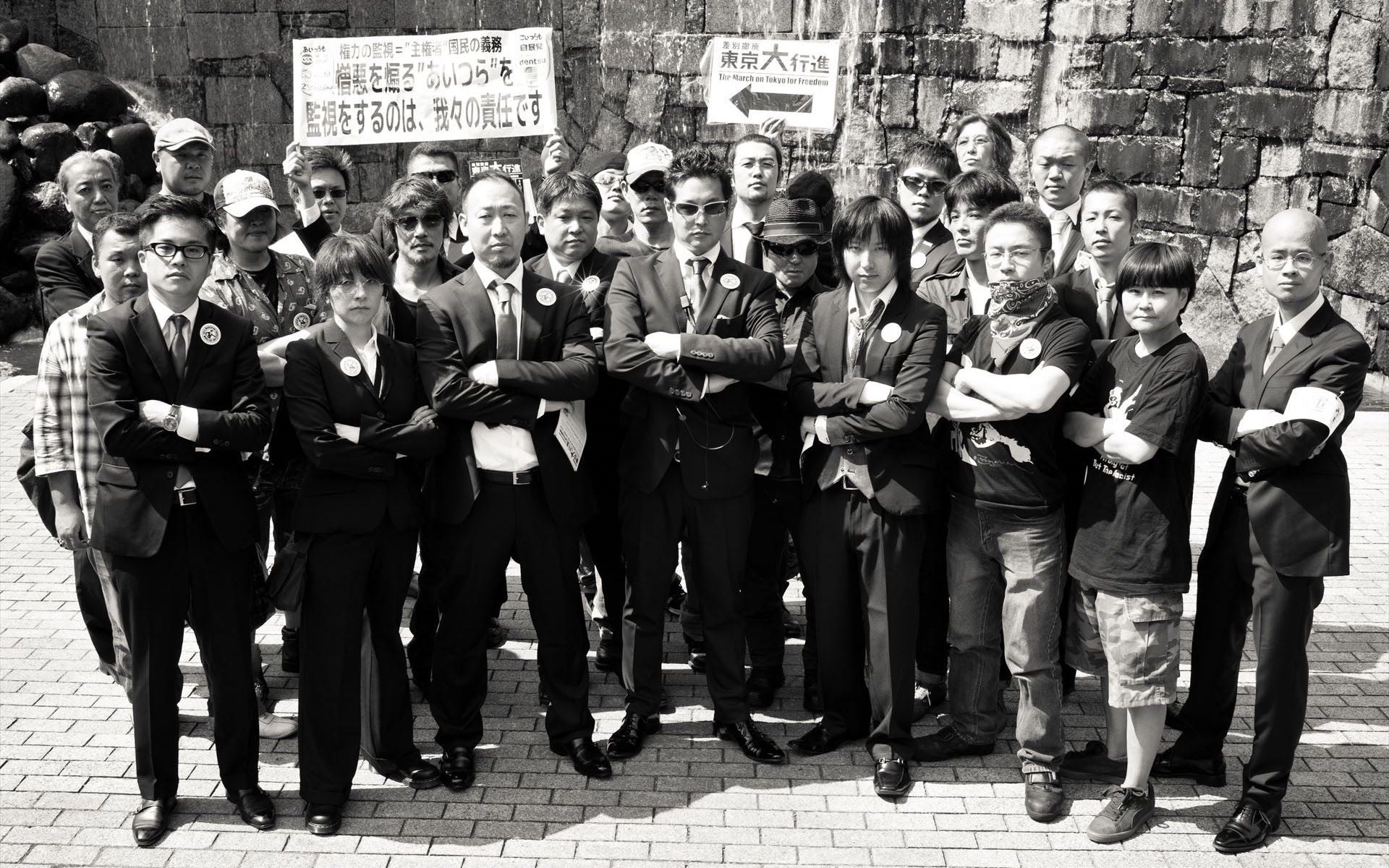
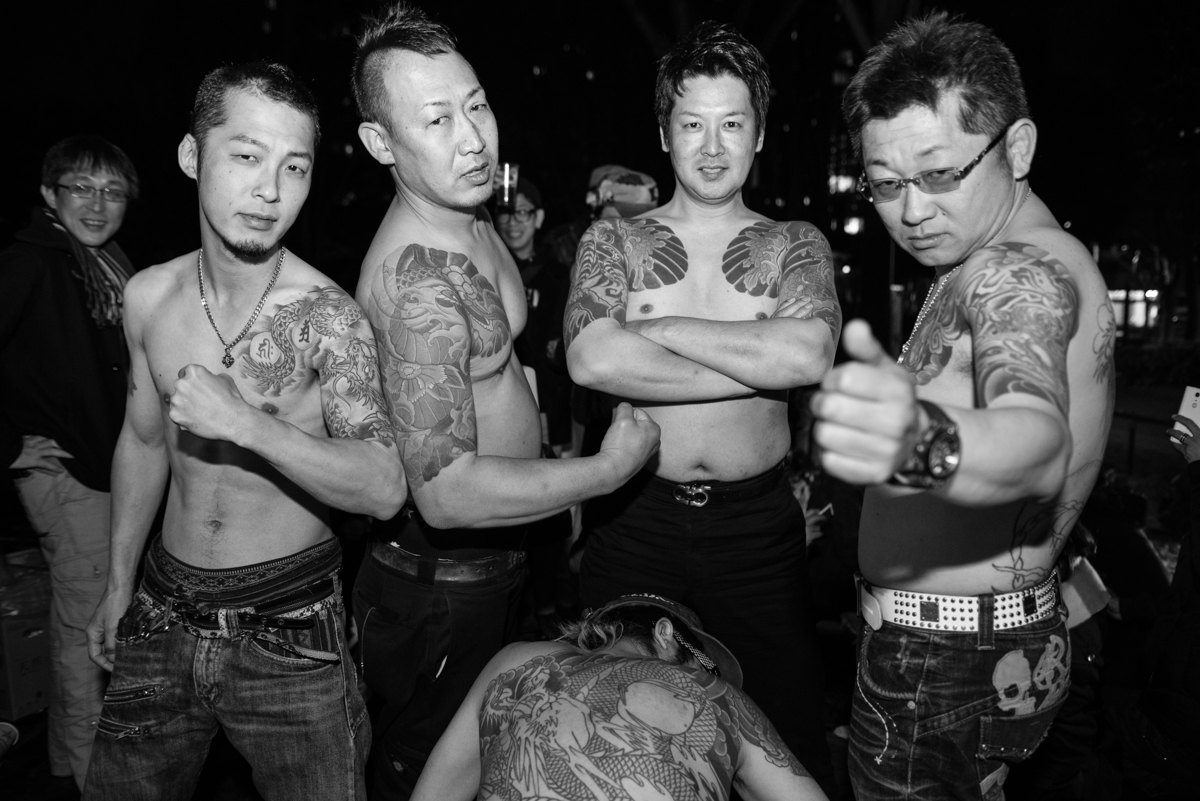
Since 2013, Japan's extreme-right racist group has organized more than 1000 hate speeches around the nation. A schoolteacher, a deliveryman, a politician, an architect, and other ordinary citizens form a coalition to ‘counter’ the racist group, calling for the awakening of Japanese conscience. Spearheading the civic group, our problematic protagonist Takahashi, a former mid-level Yakuza boss is reborn, determined to fight against racism and discrimination.
Director
-
 Lee Il-haA Crybaby Boxing (2015)
Goldfish and Razor (2010)
Roadmentary (2008)
Latte Index (2006)“Kill every Korean, good or bad,” calls a junior high school student on the street.
Hate speech, which is speech disparaging a racial, sexual, or ethnic group or a member of such a group, is made at the heart of Japan every day.
On the other side, there are protesters against the hate speakers. They occupy the streets to block the march of racist demonstration.
The reality of both countries’ societies turning rightists after passing the era of high economic growth. Looking into the struggling civil societies opposing this, we bring forth a serious question: “what society do we really live in and where is the value of these societies?
젊은 기러기상
Work
- Korea
- 2016
- 22min
- DCP
- Color

Synopsis
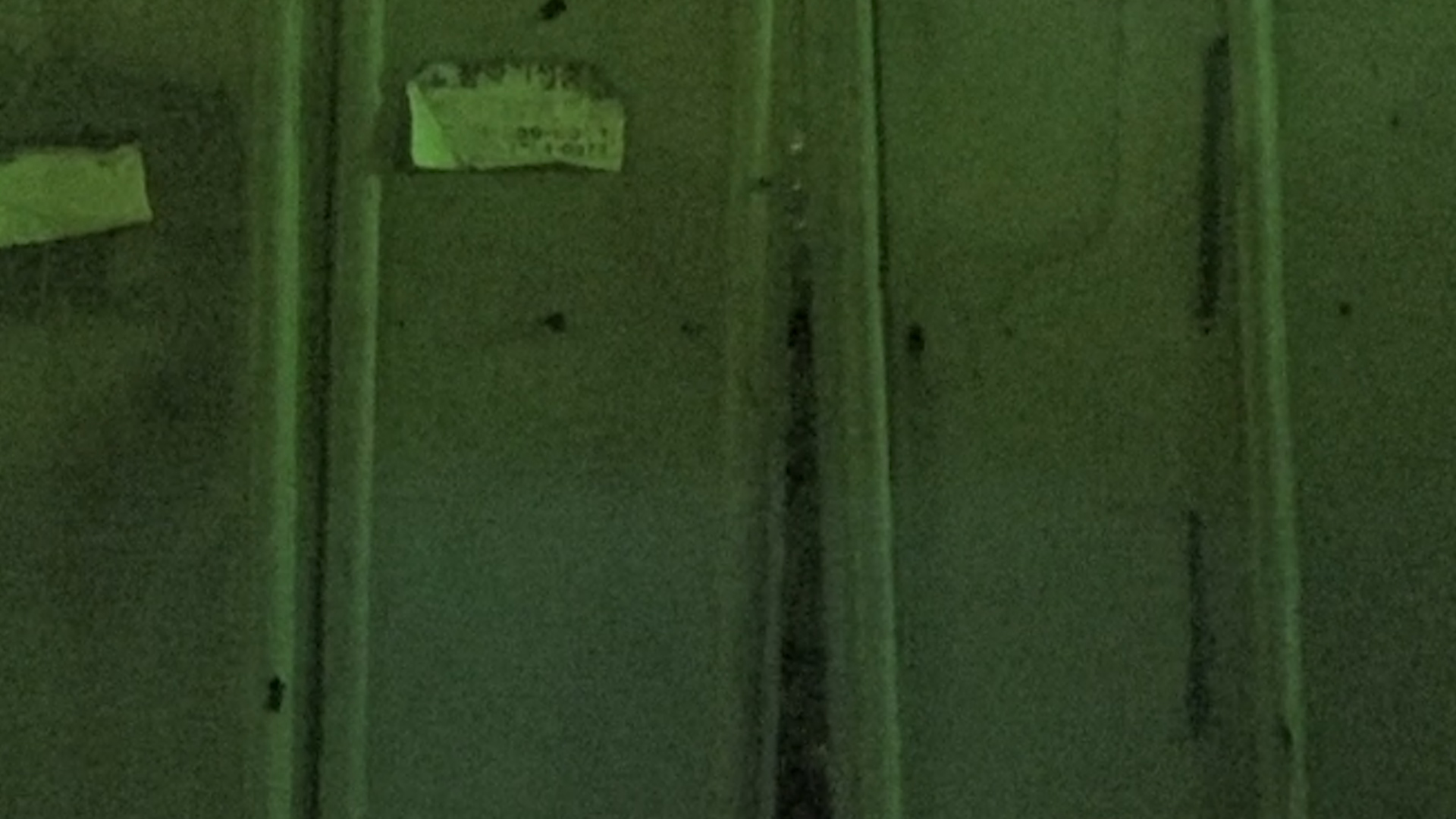
A night at Sangdo-4-dong still preserved until now, with the voice of a man portraying his work tearing down the buildings which lasted until the moment of forsythias blooming, 2011.
Director
-
 Park Soo-hyunThe Work (2016)
To talk tediously about a Mobius Strip where nothing changes but infinitely revolves, endlessly reconstructing stories from where out of our sight, individuals with their tautological stories strangely approaching every night, the despair that has hidden for 40 years beneath the buildings, secretly seeping lower and lower. The night has passed. Has it become morning?
관객상
관객상
Rice Flower
- Korea
- 2017
- 80min
- DCP
- Color
- World Premiere
Synopsis
The farmer goes to the ground. Water flows. The rice grows. Rice that goes to rice fields grows in the wind, rain, and sunlight. Rice has life. Rice is ripe. It is cut off. It crosses the winter and brings life again.
Small rice seeds become 'rice paddies', and soil, sunlight, wind and water meet and become rice. As the four seasons of rice farming unfold, the ecological changes of rice and the real problems of the farmers are revealed.
Director
-
Oh Jung-hunI Wanna Sing (2012)
The new school (2011)This documentary is about the eco-friendly rice farming process of a farmer and the circulation of rice. I want to concentrate on the film. I want to take a deep look at the life of rice and the rice that are made by the sky and the land. I also want to find the farmer's hand and sweat that can be found in rice.
청소년 경쟁
최우수상
First Step
- Korea
- 2016
- 10min
- DCP
- Color
- World Premiere


Synopsis
여행 대안학교 로드스꼴라를 다니는 나는 베트남 전쟁을 배우기 시작한다. 하지만 잔인한 걸 싫어하는 나는 베트남 전쟁 중의 민간인 학살과 마주하는 것이 힘들다. 그러면서 "왜 민간인 학살을 배우면서 잔인한 사진들을 보고 설명(증언)을 들어야 하는가"라는 고민이 시작된다. 끊임없이 자신에게 되묻고, 그 질문의 답을 찾아가는 단편 다큐멘터리.
Director
-
 Heo Na-gyeongThe First Step (2016)
나의 일이 아니기에, 똑바로 마주하기가 무섭기에 회피하는 문제들이 있다.
나에게 베트남전쟁 민간인 학살 문제가 그랬다. 과거 베트남 전쟁 당시 미국군, 한국군에 의해 죽은 베트남 민간인들이 있다. 그들은 이유도 모른 채 잔인하게 살해당했다. 하지만 그 일을 기억하는 생존자가 있고, 피해자가 있다.
평소 무섭고 잔인한 것을 싫어해서 베트남 민간인 학살의 진실을 그대로 바라 볼 수 없었다. 굳이 잔인한 사진을 보고, 생생한 증언을 들으며 공부를 해야 하는지 의문이었다.
하지만 그 중에는 우리가 알아야만 하는 이야기가 있었다. 그저 무섭고 두려워 진실을 회피하지 말고, 그들의 이야기를 함께 들어 줬으면 한다.
많은 사람들에게 질문을 던져보고 싶다. 당신도 애써 외면하는 문제가 있지 않느냐고.
어쩌면 그들의 이야기에 귀 기울이는 것이 평화일 수도 있다.
우수상
Friends
- Korea
- 2017
- 12min
- DCP
- Color



Synopsis
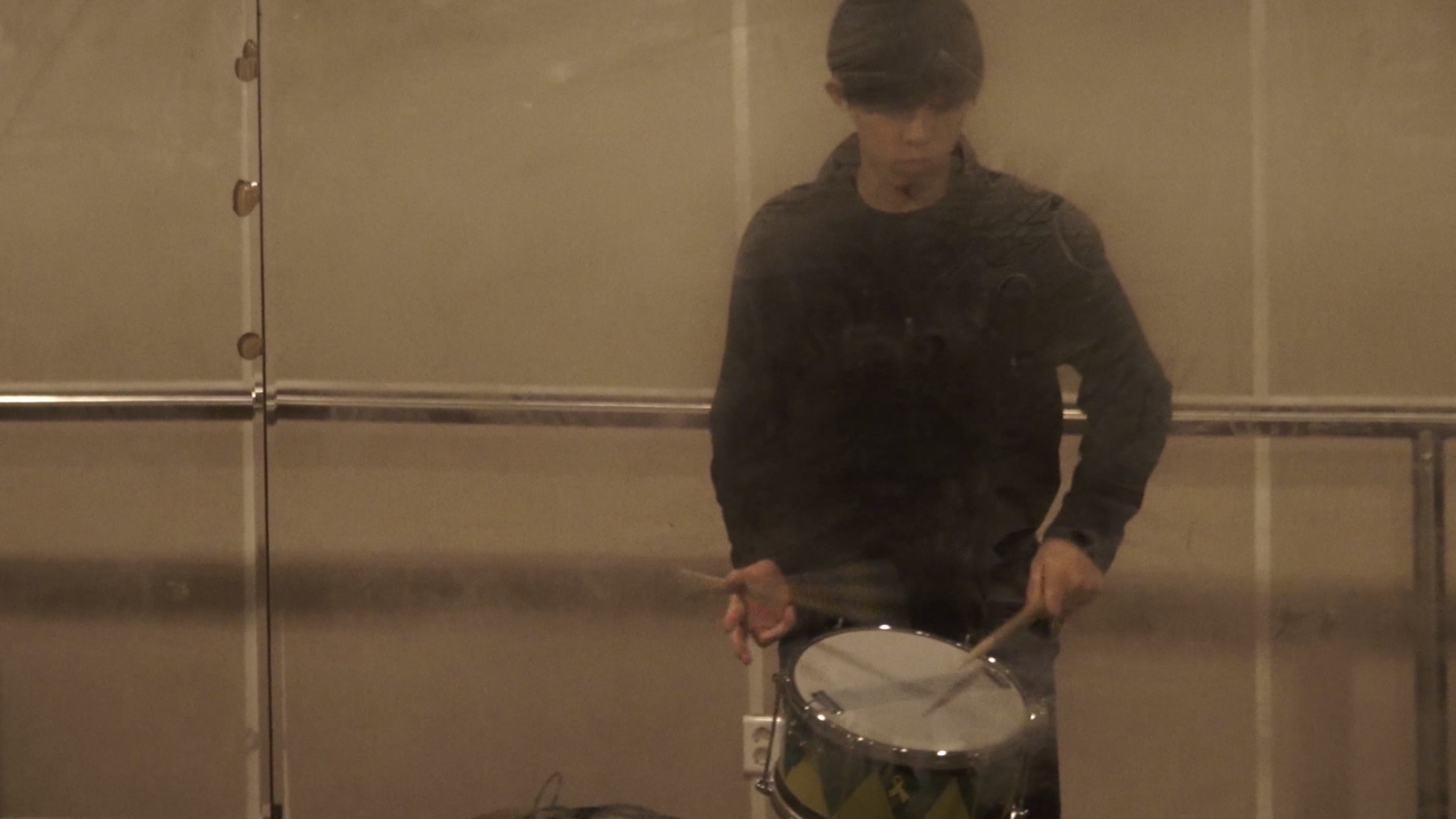
Sora is the disable with second-tier of hearing loss and she joined a performance team in Haja production school. With a question of “How has she conducted the performance with her disability for the last 3 years?”, we began recording her life with her friends at school. One day, the hearing aid device in her ears failed and Sora suddenly can’t hear anything at all.
Director
-
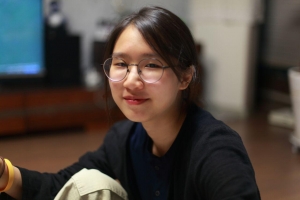 Kim Min-seoChange or Wait (2016)
This impressive scene of silence in the opening of the film helps the audience experience the conditions of Sore who is hearing impaired. She attends Haja Production School, an alternative education institute for school dropouts, and plays in a musical performance team. The documentary film shows how she communicates with her friends and how much she enjoys her school life.
Being hearing impaired, she has a cochlear implant in one ear and wears a hearing aid in the other. In the film, she listens carefully to the sound of musical instruments, asks her friend a question, and practices her instrument just like any other normal student. It is a common misperception that a person with impaired hearing is not able to enjoy music. Instead, Sore is skilled enough to teach her friends without disabilities how to play her musical instrument. Her friends at school have never had any difficulty in communicating with her and even hardly felt that she is different while she is playing her instrument. However, it is not the case for Sore. If her hearing aid does not work well or if she cannot see the mouth of the person speaking, Sore would have a trouble communicating clearly. The following scene illustrates in her own narration how Sore, a hearing-impaired person, hears and communicates with others, which makes her look a little bit lonely. Actually, it may feel lonely if no one understands what you hear or if you don't understand what others hear.
It may not be natural to insist that anyone with physical challenges be treated equally with their non-disabled counterparts. It is important for able-bodied people to reject social discrimination or prejudice against those with disabilities. But it is also important to try to understand the circumstances of the physically challenged in their shoes. The directors of this film entered the world of Sore by understanding the different way of hearing. Now they narrates the importance of such an approach in this film. [Kyung Hee-ryeung] -
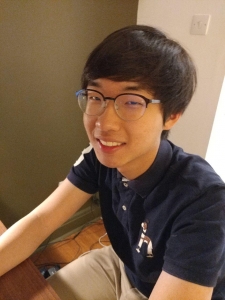 Kim Nam-juFriends (2017)
”소라의 장애를 인정하고 그에 맞춘다는 것이 자칫 상처가, 차별이 돼버리지 않을까? 나는 소라와 똑 같은 사람이니까, 소라의 장애에 대해 물어보지도 언급하지도 말아야겠다.”
과연 소라와 나는 같이, 잘, 살아가고 있던 것이었을까?
영화의 시작은 소라와 친구들의 잘 맞춰가며 함께 사는 모습을 담는 것이었다. 같이 잘 살고 있다고 생각했으니.
하지만 공연 중 소라의 보청기가 일으킨 오작동. 그 “차이”가 드러나는 순간 어떻게 해야 할 지 당황하며, 별로 중요하게 생각지 않는 모습이 카메라에 담긴다. 소라 자신조차 혼자만의 일이라 생각하며 넘기려 한다. 언젠가는 또 마주치게 될 서로의 차이. 이것을 무시하면 같이 사는 방법을 끝까지 모르는 사람들로 남을 것이다.
장애인은 그들의 삶이, 문화가 있다. 비장애인도 그들의 삶과 문화가 있다. 어떠한 모습으로 규정된 정상적인 사람은 없다.
혹 차별이 될까 두려워 “나와 소라는 똑 같은 사람이야, 똑같이 사고하고 경험할 거야.”
생각하며 그에 따라 행동한다면, 그것을 “같이” 살고 있다고 할 수 있을까?
나와 저 사람이 어떻게 다른지, 어떤 일상을 살아왔는지 궁금해하고 마주하고 인정하는 것.
그 후 어떤 걸 맞춰갈 수 있을지 생각하는 것.
그것이 같이 사는 삶의 첫 걸음이라는 걸 우린 영화를 찍으며 배웠다. -
 Lee Sung-jaeFriends (2017)
”소라의 장애를 인정하고 그에 맞춘다는 것이 자칫 상처가, 차별이 돼버리지 않을까? 나는 소라와 똑 같은 사람이니까, 소라의 장애에 대해 물어보지도 언급하지도 말아야겠다.”
과연 소라와 나는 같이, 잘, 살아가고 있던 것이었을까?
영화의 시작은 소라와 친구들의 잘 맞춰가며 함께 사는 모습을 담는 것이었다. 같이 잘 살고 있다고 생각했으니.
하지만 공연 중 소라의 보청기가 일으킨 오작동. 그 “차이”가 드러나는 순간 어떻게 해야 할 지 당황하며, 별로 중요하게 생각지 않는 모습이 카메라에 담긴다. 소라 자신조차 혼자만의 일이라 생각하며 넘기려 한다. 언젠가는 또 마주치게 될 서로의 차이. 이것을 무시하면 같이 사는 방법을 끝까지 모르는 사람들로 남을 것이다.
장애인은 그들의 삶이, 문화가 있다. 비장애인도 그들의 삶과 문화가 있다. 어떠한 모습으로 규정된 정상적인 사람은 없다.
혹 차별이 될까 두려워 “나와 소라는 똑 같은 사람이야, 똑같이 사고하고 경험할 거야.”
생각하며 그에 따라 행동한다면, 그것을 “같이” 살고 있다고 할 수 있을까?
나와 저 사람이 어떻게 다른지, 어떤 일상을 살아왔는지 궁금해하고 마주하고 인정하는 것.
그 후 어떤 걸 맞춰갈 수 있을지 생각하는 것.
그것이 같이 사는 삶의 첫 걸음이라는 걸 우린 영화를 찍으며 배웠다.