
Synopsis
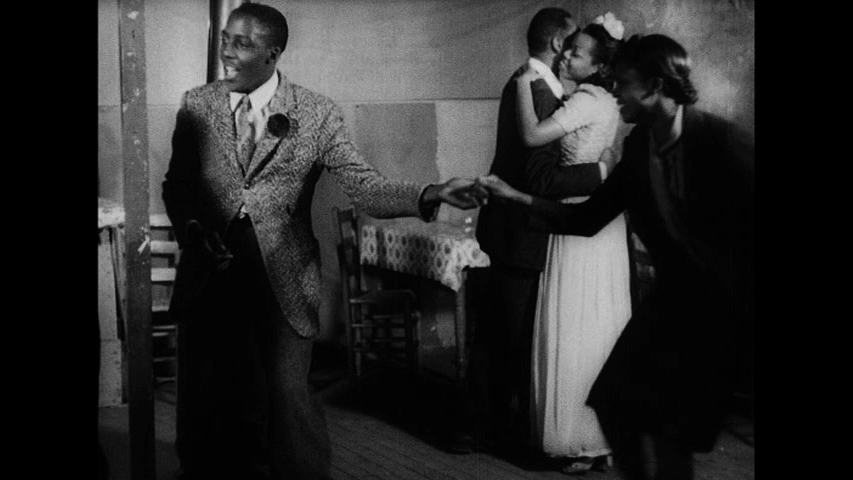
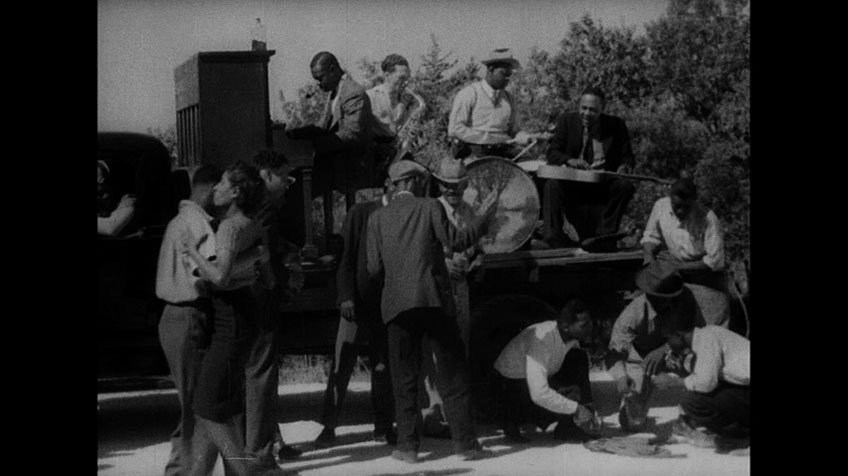
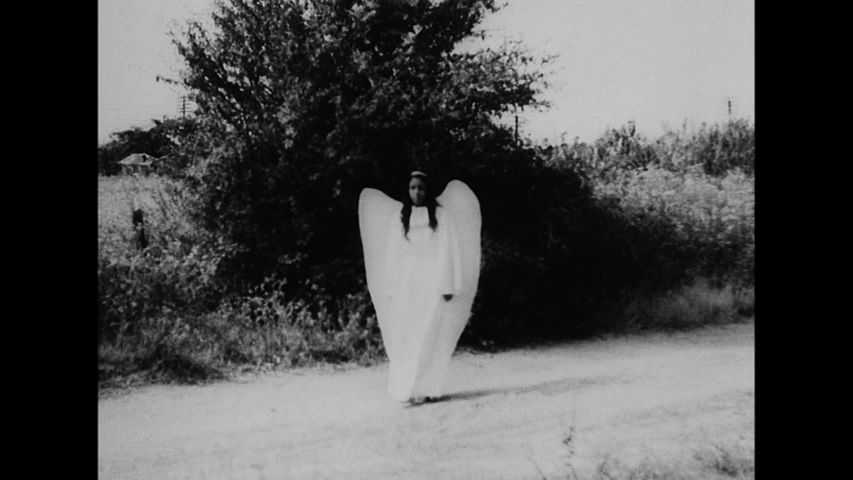
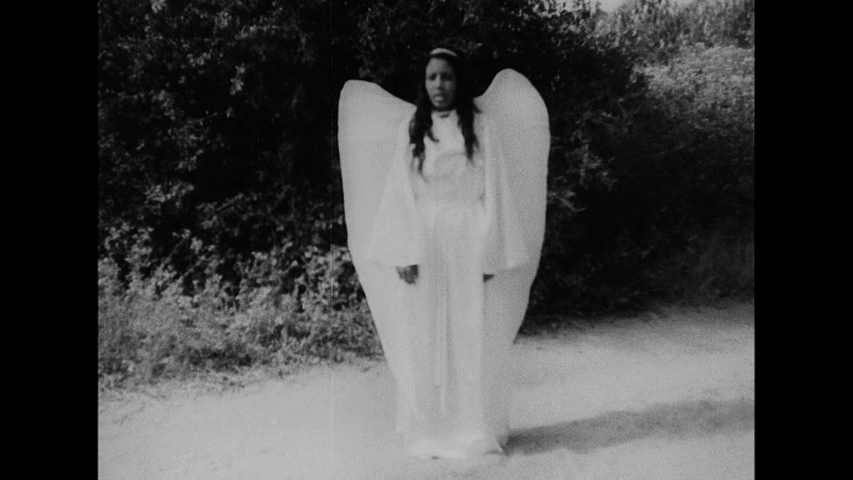
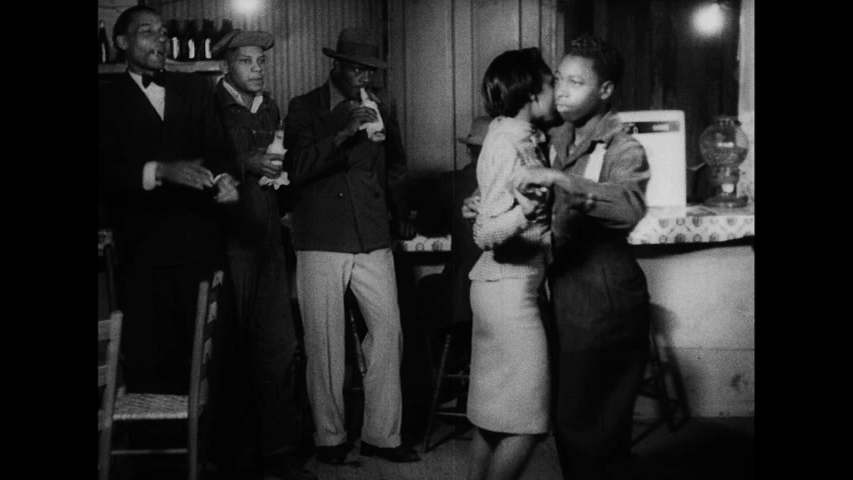
During the 1940s, Spencer Williams directed nine race films for Sack Entertainment in central Texas, and he acted in eight of these films. Only one has yet to be rediscovered. In Juke, I attempt to reclaim his work, to demonstrate its originality and beauty as well as its documentary value. Williams returns always to the same theme: the struggle between the sacred and the profane, the church and the juke joint, gospel and blues. He portrays both with equal conviction.
Director
-
 Thom AndersonGet Out of the Car (2010)
Los Angeles Plays Itself (2003)
Red Hollywood (1995)
Eadweard Muybridge, Zoopraxographer (1974)“During the 1940s, Spencer Williams directed nine race films for Sack Entertainment in central Texas, and he acted in eight of these films. Only one has yet to be rediscovered.”
“In Juke, I attempt to reclaim his work, to demonstrate its originality and beauty as well as its documentary value. Williams returns always to the same theme: the struggle between the sacred and the profane, the church and the juke joint, gospel and blues. He portrays both with equal conviction. The church always prevails, but he gives the devil his due. That’s what makes The Blood of Jesus a masterpiece: it takes a miracle to bring Martha Jackson back from the allure of the city and its night clubs.”
“The drama in his other films is more banal, but I began to notice a remarkable documentary record of black life in the 1940s in these films. There are the nightclub scenes, of course, but there is also a precious recording of residential spaces, from the shack in The Blood of Jesus to the comfortable middle class home in Juke Joint.”
“I bring out these documentary qualities by looping shots of empty interiors and showing actions freed from the plot. I am not trying to make some new meaning from these films; I am striving to bring out the meanings that are there but obscured by the plot lines: the dignity of black life and the creation of a dynamic culture in the segregated society of 1940s Texas. I regard my movie as a kin to Walker Evans’ photographs of sharecroppers’ homes in the 1930s and George Orwell’s essays on English working class interiors.”
“Juke was commissioned by the Museum of Modern Art to open its film series ‘A Road Three Hundred Years Long: Cinema and the Great Migration,’ running in conjunction with a show of Jacob Lawrence’s “Great Migration” paintings.”
Review
In this film, Tom Anderson reilluminates works of Spencer Williams, one of the black American cinema pioneers. Along with his acting career, he directed 9 feature films in 1940s―he starred in 8 films among them―but only 6 films are left. Starring with mostly black people, these films are categorized as ‘race film’ which were produced outside Hollywood in order to target certain race audiences. Like other films in this category, these have been almost forgotten in the cinema history. Therefore,
Credits
- Director, Producer Thom Anderson
- Editor Thom Anderson, Andrew Kim
Phone
- Phone 82 323 666 6977
- E-mail icepickslim@gmail.com