


Synopsis
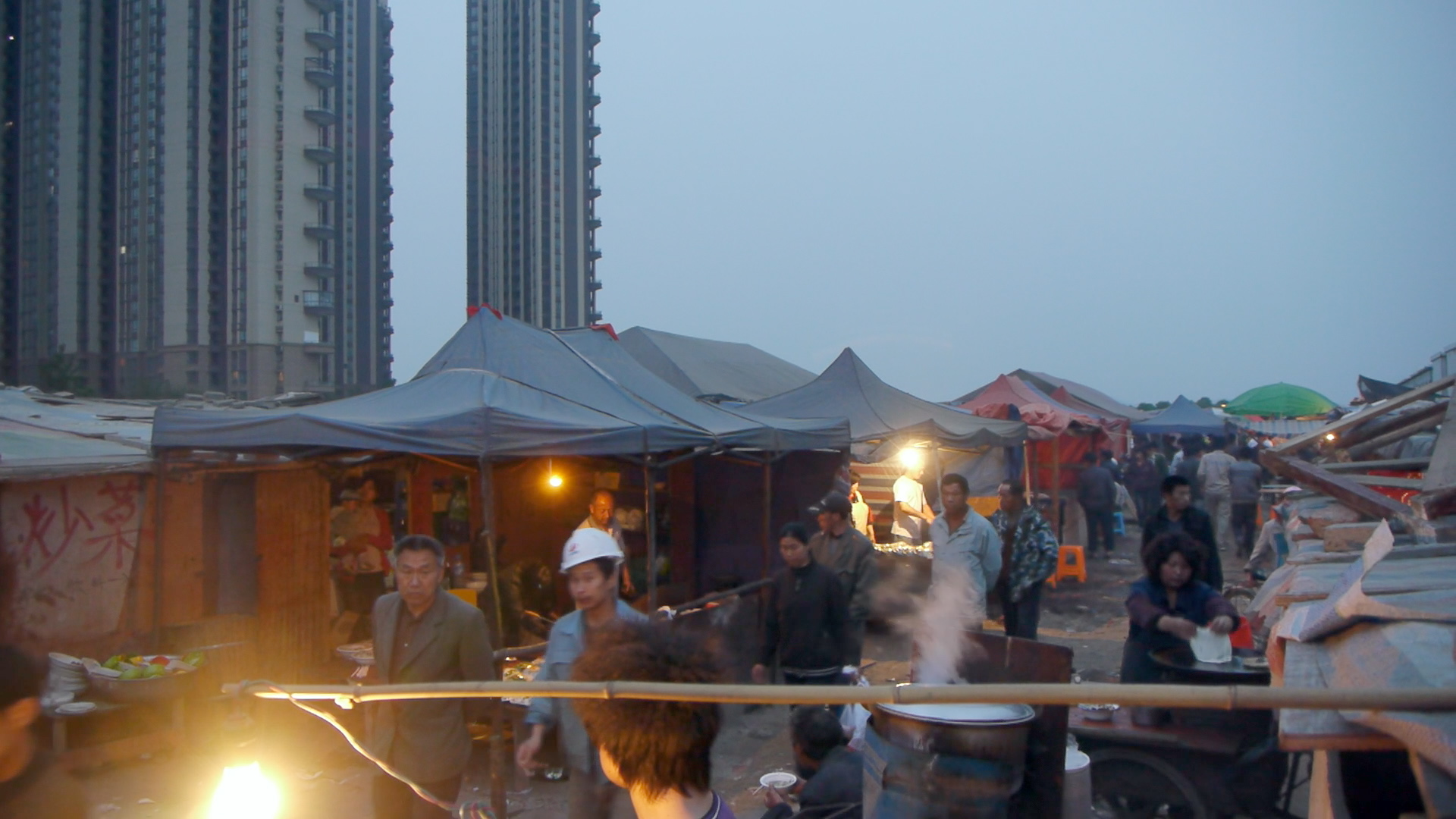
In Hangzhou, 24th street is under construction, attracting a large number of migrant workers and their families from rural areas. Old Su, in pursuit of free love during his youth, betrayed parents for Qing to drift in various urban city districts. Su has been slowly phasing out of their living space where his shack and vegetable fields are facing relocation. Su yearn to go back to his hometown, but how will he face his past, a now un-recognizable homeland?
Director
-
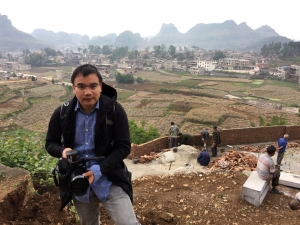 Pan ZhiqiLost Wall (2010)
Private Detective (part1) (2009)Over the past 30 years, China had rapid socio-economic growth with great social changes in the period. The rapid transformation of society produced about 300 million migrant workers where they came from the countryside to the city, with minimum wages, though with poor living conditions but supported the rapid growth of China's economy, however most of them are difficult to integrate into the modern city life. Now, with the deepening of China's reform, China's rural areas have begun to usher in the pace of urbanization. Most migrant workers want to return to their hometowns, however going home in the pace of rapid economic development can no longer compare to the past. They are faced with a common dilemma, not able to set foot in this new city environment nor could feel the sense of homeland.
My film was taken from the shantytown of 24th Street, followed bymy narrative point of view, from the Chinese city side to the countryside, of which journey lasted six years. During the six years, Chinese society, whether it was a developed coastal city or a western rural, all in rapid transformation. Today 24th Street has moved from the shantytown to building a bustling neighborhood, old Sue's home is also a thriving scene around.But what about the groups that have lived in the shantytowns on the 24th street, and how are their living conditions now? I hope that through my story can show the occurrence of society in China,the survival and the fate of these humble people living in China facing such big changes.
Review
Here is a man, who had left hometown behind his wife and children 30 years ago, but he is wandering with a lover around various parts of the country. He has a dream to buy a small field and to farm it, but it's not easy to realize it. It is four years since he has opened a restaurant in a temporary building and tended a vegetable garden, in Hangzhou under the urban development. He is finding his place, but the administrations order to tear down the temporary building. The immigrants gather in an empty land, manage a living community, and establish a town, but the community is destroyed suddenly in the name of development. That is not an unfamiliar scene, even for us. Even as the main character, Su, finally finishes his life in Hangzhou and returns to his old home, the film unfolds in the different direction to the way we'd predicted. In the hometown he left thirty years ago, Su can't find a place to settle down. Sometimes he gets angry and sometimes he confronts the world into lethargy, but there's no place for him. Returning to Hangzhou with tall buildings that had filled with temporary buildings, Su gets lost in a subway station and wanders about aimlessly. Though he brings misfortune upon himself, in part, the film sheds light upon people today cannot have anyone to share affection with and settle down anywhere through his story and makes us touched by his grief. [Chojung Eui-min]
Credits
- Director, Cinematographer, Editor Pan Zhiqi
- Producer Mike Shang
- Music Jingjing Xu, Zhuocheng Wei
- Sound Jingjing Xu
Contribution & World Sales
- Contribution & World Sales Yuxing Huan
- E-Mail 1304654746@qq.com