

Synopsis
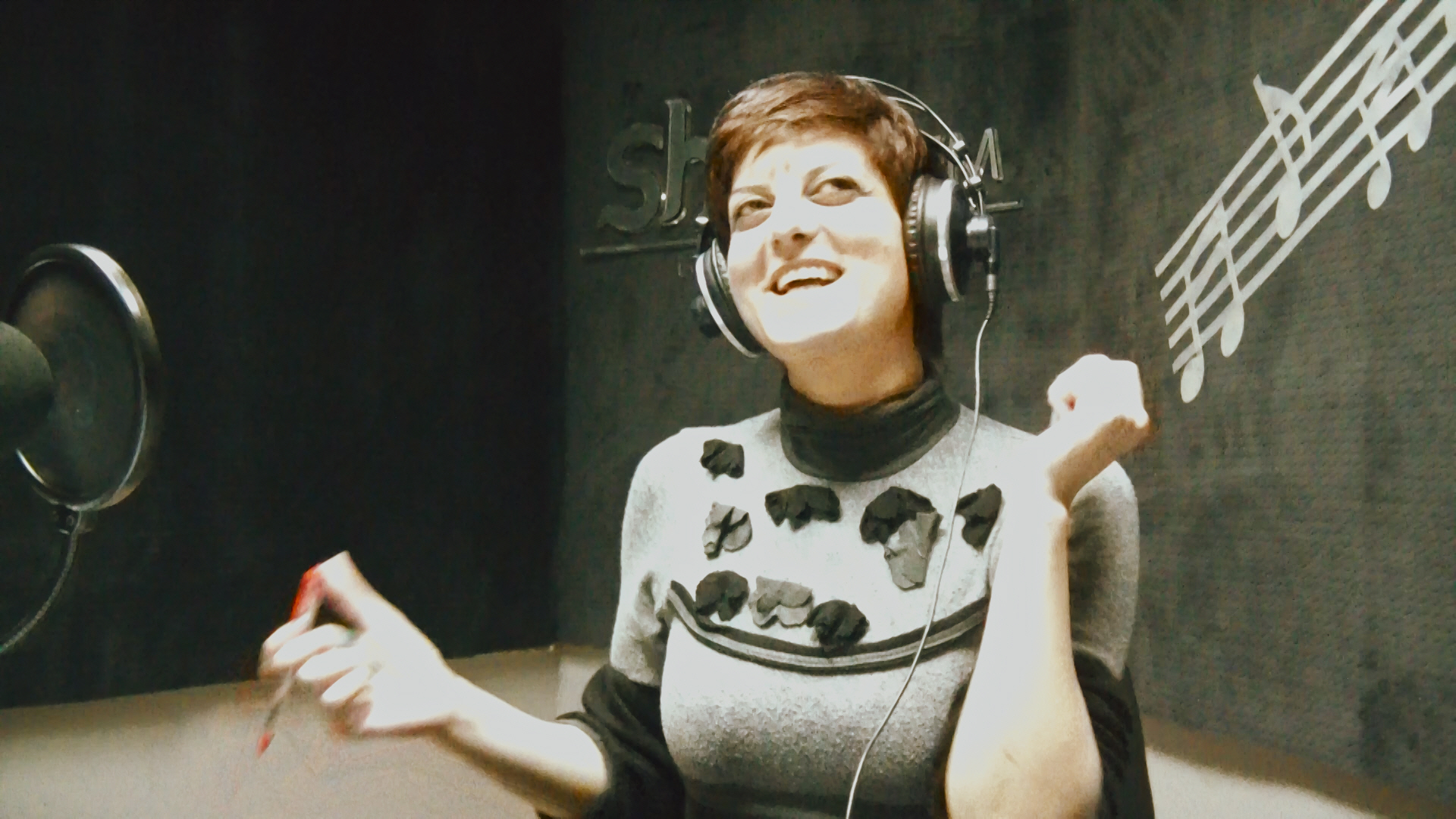
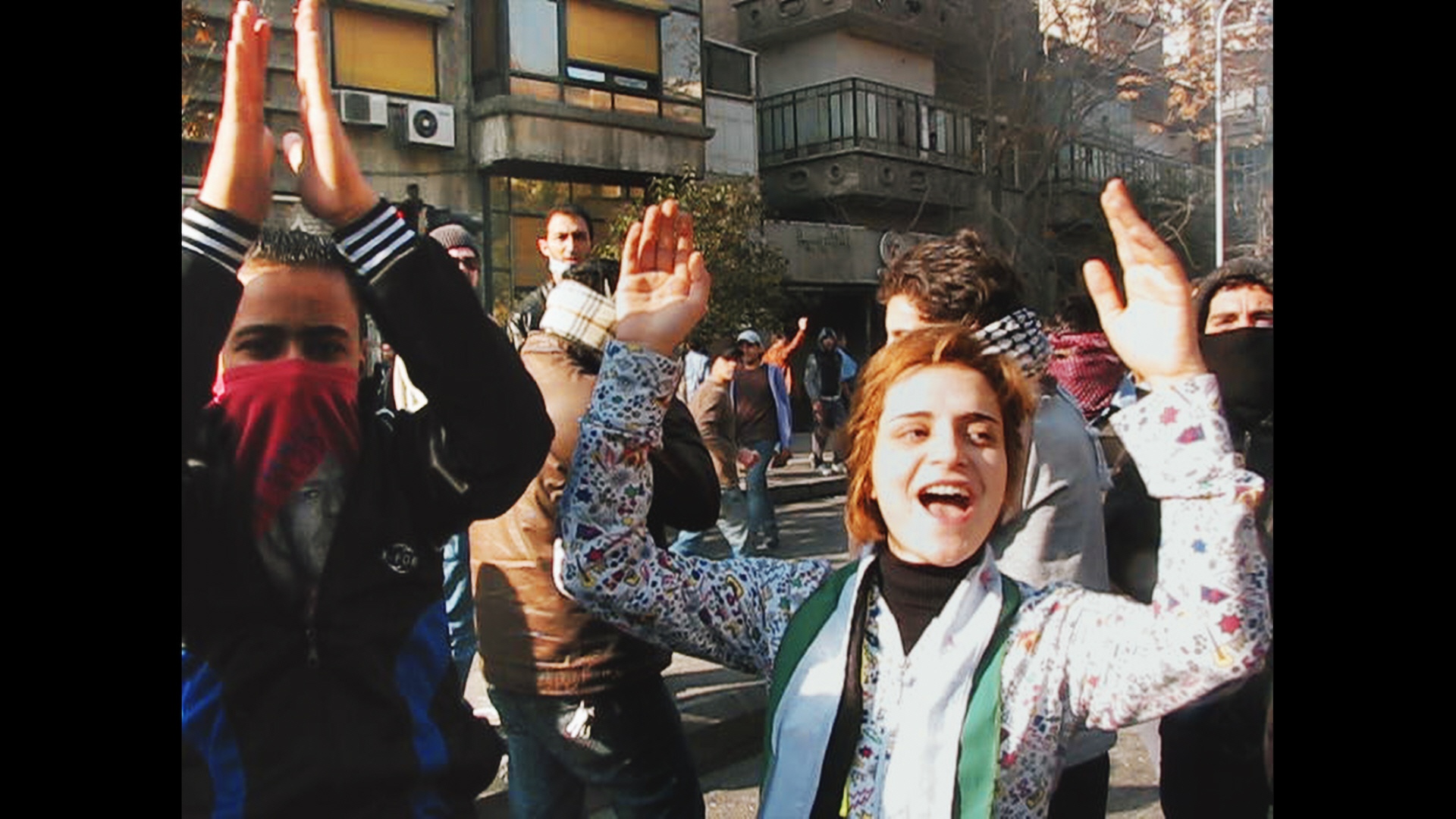
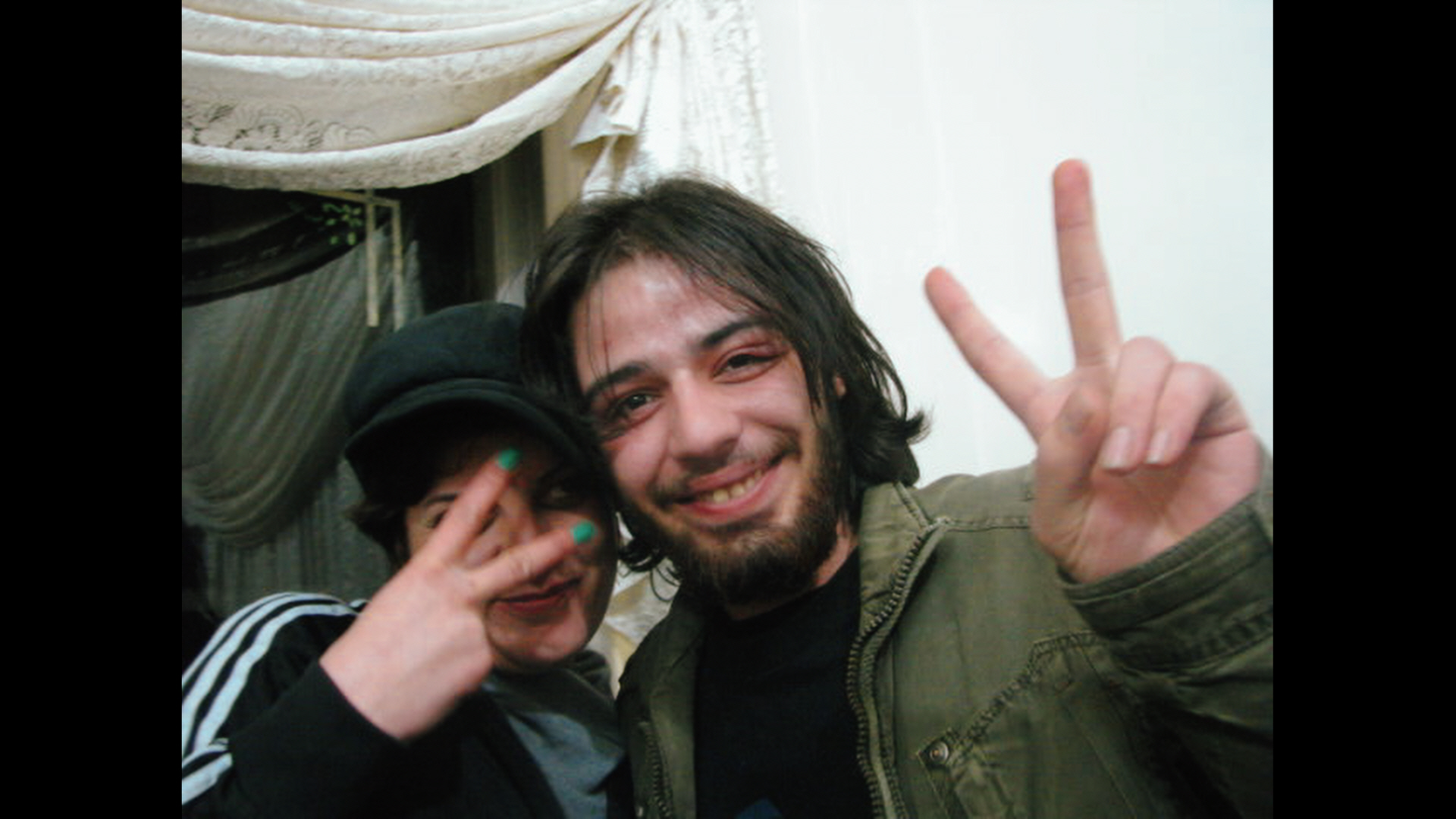
In March 2011, radio host Obaidah Zytoon and friends join the street protests against the oppressive regime of Syrian President Bashar al-Assad. Knowing the Arab Spring will forever change their country, this group of artists and activists begin filming their lives and the events around them. But as the regime’s violent response spirals the country into a bloody civil war, their hopes for a better future are tested by violence, imprisonment and death.
Director
-
 Andreas DalsgaardRedane (2014)
Life is Sacred (2014)
Travelling with Mr. T. (2012)
The Human Scale (2012)
Cities on Speed: Bogota Change (2009)The War Show is based on footage gathered by Obaidah while she lived in Syria and took part in the uprising. Some she shot herself, some was shot by friends. As we studied this footage together, it became obvious that it contained moments of immense power. Burt the collection had a very fragmented nature. How to tell a coherent story that wouldn’t jeopardize these moments for the sake of effective storytelling became our challenge. We wanted to let their individual power shine. The movie is told in 7 chapters to give the story an open-ended postcard quality. This lets the audience explore the scenes on their own, and lets them build their own story inside their minds. We don’t connect all the dots, but let the audience do it. The ambition to create a coherent wholesome story is corruptive by nature. The ‘Hero’s journey’ is seductive but rarely true. Nothing adds up in real life. Nothing is simple.
When we challenged the form of storytelling, a complex reality emerged that in our mind shows a much more human perspective on Syria and war itself. The movie is not obsessed with the creation of a ‘well-told’ narrative. Instead it challenges each moment and the interpretation that it contains. How did these events really happen? What is the role of the camera? How do people act towards the camera? What is construction of self and society that plays out in front of our eyes?
The construction of The War Show was based on hundreds of hours of conversations between ourselves and a wider community of Syrians. These conversations led to an analysis of every moment in the hundreds of hours of footage that was brought out of the country. From there followed a selection of the moments that would make it into the film. We wanted to tell a personal story about the fate of Obaidah and her friends, within the bigger context of the Syrian regime’s oppression. Of the war crimes it has committed. And of the fate of millions of people that are today suffering from the events in Syria. Whether they are refugees in exile, or children and adults still struggling for survival inside the country, how do we come to grasp their sense of being in the world? How do we gain an understanding of the tragedy they all endure? And how do we avoid exploiting their fates for the sake of entertainment and emotional exploitation, and instead gain a deeper understanding of the situation itself?
There are many important things to be told about Syria. We, as a world community, are only beginning to grasp its repercussions. To solve this crisis will take years. To analyze and learn from this tragedy will take decades. No other conflict has been filmed as much, yet the truth continues to evade us. The role of the camera itself, as a key narrator of the events, but also as a tool shapes reality itself, has yet to be analyzed in depth. There’s a new reality emerging based on old patterns. The axis of extremism and terrorism and its connection to regimes like that of Assad’s is underreported. The regime’s cynical game of exploiting terrorist networks to continue their corrupt and deeply criminal actions is not told. The global game of power played by Saudi Arabia, Iran, Russia, US and turkey, has turned Syrian soil into a proxy-war battlefield. The war is beginning fought by many other people than just Syrians. Yet the Syrian people’s desire for self determination that led to the uprising in 2011 is not gone. This film cam show what happened on the ground and in people’s minds. The horror of terrorism in Syria and in the larger world today is a deeply human tragedy, which can be explained and must be understood. It could have been different if the international will had been there.
The truth hides in the details. By studying each detail thoroughly and truthfully, we strongly believe that a more complete picture emerges. This is important. It is not for the sake for entertainment, but in the interest of writing history. We wanted to leave a document to the world which will have real value in years to come.
-
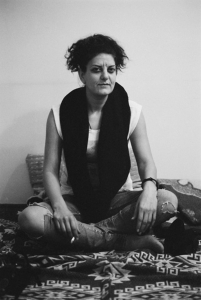 Obaidah ZytoonThe War Show (2016)
The War Show is based on footage gathered by Obaidah while she lived in Syria and took part in the uprising. Some she shot herself, some was shot by friends. As we studied this footage together, it became obvious that it contained moments of immense power. Burt the collection had a very fragmented nature. How to tell a coherent story that wouldn’t jeopardize these moments for the sake of effective storytelling became our challenge. We wanted to let their individual power shine. The movie is told in 7 chapters to give the story an open-ended postcard quality. This lets the audience explore the scenes on their own, and lets them build their own story inside their minds. We don’t connect all the dots, but let the audience do it. The ambition to create a coherent wholesome story is corruptive by nature. The ‘Hero’s journey’ is seductive but rarely true. Nothing adds up in real life. Nothing is simple.
When we challenged the form of storytelling, a complex reality emerged that in our mind shows a much more human perspective on Syria and war itself. The movie is not obsessed with the creation of a ‘well-told’ narrative. Instead it challenges each moment and the interpretation that it contains. How did these events really happen? What is the role of the camera? How do people act towards the camera? What is construction of self and society that plays out in front of our eyes?
The construction of The War Show was based on hundreds of hours of conversations between ourselves and a wider community of Syrians. These conversations led to an analysis of every moment in the hundreds of hours of footage that was brought out of the country. From there followed a selection of the moments that would make it into the film. We wanted to tell a personal story about the fate of Obaidah and her friends, within the bigger context of the Syrian regime’s oppression. Of the war crimes it has committed. And of the fate of millions of people that are today suffering from the events in Syria. Whether they are refugees in exile, or children and adults still struggling for survival inside the country, how do we come to grasp their sense of being in the world? How do we gain an understanding of the tragedy they all endure? And how do we avoid exploiting their fates for the sake of entertainment and emotional exploitation, and instead gain a deeper understanding of the situation itself?
There are many important things to be told about Syria. We, as a world community, are only beginning to grasp its repercussions. To solve this crisis will take years. To analyze and learn from this tragedy will take decades. No other conflict has been filmed as much, yet the truth continues to evade us. The role of the camera itself, as a key narrator of the events, but also as a tool shapes reality itself, has yet to be analyzed in depth. There’s a new reality emerging based on old patterns. The axis of extremism and terrorism and its connection to regimes like that of Assad’s is underreported. The regime’s cynical game of exploiting terrorist networks to continue their corrupt and deeply criminal actions is not told. The global game of power played by Saudi Arabia, Iran, Russia, US and turkey, has turned Syrian soil into a proxy-war battlefield. The war is beginning fought by many other people than just Syrians. Yet the Syrian people’s desire for self determination that led to the uprising in 2011 is not gone. This film cam show what happened on the ground and in people’s minds. The horror of terrorism in Syria and in the larger world today is a deeply human tragedy, which can be explained and must be understood. It could have been different if the international will had been there.
The truth hides in the details. By studying each detail thoroughly and truthfully, we strongly believe that a more complete picture emerges. This is important. It is not for the sake for entertainment, but in the interest of writing history. We wanted to leave a document to the world which will have real value in years to come.
Review
Syria, the 'affected area' of the contemporary. There was the film <Silvered Water, Syria Self-Portrait> (2014) a few years ago, and The War Show may be in the same context of being a film of self-portrayal. The protagonists of this film are Obaidah Zytoon- a radio DJ and co-director of this film-and his friends. When the Arab Spring of 2011 permeates into Syria and the ambience of the 40-years-old revolution towards the Syrian dictatorship rises, Obaidah and her friends participate in this revolution in their own way. But they start to lose faith along with the development of the situation. The well-known state of civil war and rampant terrorism strike Syria to bear refugees and become a barren land. However, <The War Show> depicts the matters we could not feel and acquires the unspeakable in the most personal level. This footage Obaidah shot while running and hiding vividly displays the brutal reality which can never be fully explained through the 'objective' sentences about the international situation. The camera delineates the conditions of Syria by becoming Obaidah’s flesh and mind. Preciseness could be identified from how she divided her film into 7 chapters to go through the current state of Syria. On the other hand, we finally realize that this film is a portrayal of hope and the lives that faded away when she calls out the name of her friends, one by one, on her fifth chapter, 'memory.' [Jung Han-Seok]
Credits
- Director Andreas Dalsgaard, Obaidah Zytoon
- Producer Miriam, Norgaard, Alaa Hassan
- Editor Adam Niesen
- Sound Olli Huhtanen
Contribution & World Sales
- Contribution & World Sales Nadia Kvist
- Phone 45 61604758
- E-Mail nadia@f-film.com