



Synopsis
Political Animals tells the story of the civil rights struggle of this century—the LGBT movement, through the eyes of women, a group often left out of gay histories. Emotionally charged likes its subjects, the film follows the first four openly Gay California Representatives who took the fight for the causes most personal to them off the streets and into the halls of government to start the legal battle to create lasting, significant social change.
Director
-
 Jonah MarkowitzShelter (2007)
The Revolution is not over. Though it seems as if we’ve transitioned into a 'post-gay' culture, we’re just starting the fight for concretely securing civil rights for all LGBT Americans. As the federal government steps up to ensure that students aren’t discriminated against in the most basic of human functions like using a restroom, comparisons to the desegregation of schools in the 1960s comes to
mind. This is the time Political Animals focuses on. Now. With strong historical context, we show how the work of four fearless trailblazers’ in the 1990s can inspire a new generation to carry the torch and win this struggle, finally bringing true equality to all.We met in middle school in Boulder, Colorado, right when Proposition 2 passed—making it legal to discriminate against LGBT citizens. We both identify as LGBT filmmakers, and though neither of us were yet out, this fueled what would later turn into a collaboration on Political Animals. In 2013, Jonah met Carole Migden and discovered that the first four openly Gay California Representatives were all women. Coming from Narrative filmmaking, Jonah immediately went to Tracy, who had been making documentaries for over a decade and the collaboration began then and there. We looked back to our teenage years, when our government actually allowed us to be discriminated against, and decided to not only shed a light on these women’s influential work for social justice, but to make a film that would educate young people on how to continue the fight against discrimination in all its forms.
We instantly wanted to know how and why these four women were simultaneously able to gain a seat at the Congressional table—not only as openly Gay candidates, but as women—a gender anomaly in politics to say the least. What we learned was that they all trained in the women’s movement and were more politically educated and acceptable than gay men at the time. We learned that women led a huge part of a movement that they are hardly ever credited for.
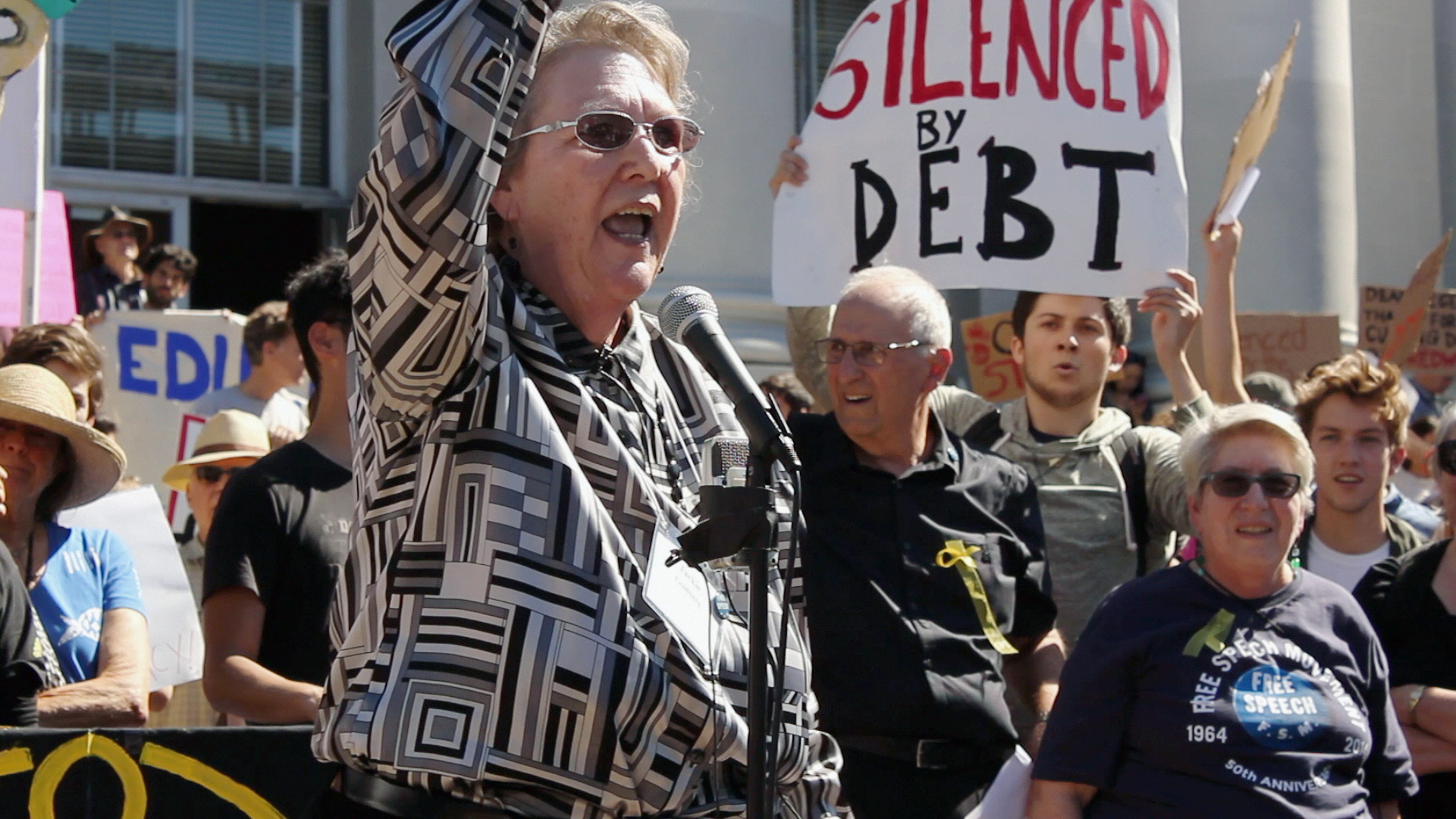
Once in office, these women became true political animals, working tirelessly to pass groundbreaking legislation for LGBT equality. Each unique to say the least, they all possessed a character and drive that propelled a whole movement forward. Jackie Goldberg in her 'first time questioning authority' was arrested in the infamous Sproul Hall Protests at Berkeley. Shelia Kuehl was fired from her National Television show in the 1950s for being a lesbian, so she became a Harvard lawyer and returned to California to help the community she cared most about. Christine Kehoe had never been to the west coast before she packed a bag and headed to San Diego. She was in office there just years later. And Carole Migden, influenced by San Francisco in the 1970s and Harvey Milk’s leadership, was
asked to advise the interim mayor Diane Feinstein on LGBT issues upon his death, leading her towards a run and eventual win of an Assembly Seat to represent the city.
Needless to say we were immediately drawn into these women—Jackie’s tenacity, Shelia’s erudite poise, Carole’s brash and unapologetic strategy and Christine’s patient, emotional and unilateral ability to bring different parties to the table. Jonah’s background in narrative film, including writing and directing the indie film Shelter, along with Tracy’s vast experience in documentaries—from the feature
Bomb It to current work for Vice around the globe, led to a beautiful collaboration in telling the story of these amazing Women.These trailblazers not only inspired us, they ignited a fuse that slowly led to an explosion of liberties and acceptance nationwide. But, in the post Will-and-Grace, post Gay-Celebrity, and post 'we all know a gay person' mentality of America, who is picking up and carrying the torch to the finish line? The film was made to show how bringing the social issues most important to you from your dinner
tables to the streets, and eventually to the government, is the only way to enact real, cumulative
change for your sisters and brothers, your daughters and sons, and yourself. There is true liberty and
justice for all. As long as we fight for it. -
 Tracy WaresRoyal Drag (1998)
Shakti (2001)The Revolution is not over. Though it seems as if we’ve transitioned into a 'post-gay' culture, we’re just starting the fight for concretely securing civil rights for all LGBT Americans. As the federal government steps up to ensure that students aren’t discriminated against in the most basic of human functions like using a restroom, comparisons to the desegregation of schools in the 1960s comes to
mind. This is the time Political Animals focuses on. Now. With strong historical context, we show how the work of four fearless trailblazers’ in the 1990s can inspire a new generation to carry the torch and win this struggle, finally bringing true equality to all.We met in middle school in Boulder, Colorado, right when Proposition 2 passed—making it legal to discriminate against LGBT citizens. We both identify as LGBT filmmakers, and though neither of us were yet out, this fueled what would later turn into a collaboration on Political Animals. In 2013, Jonah met Carole Migden and discovered that the first four openly Gay California Representatives were all women. Coming from Narrative filmmaking, Jonah immediately went to Tracy, who had been making documentaries for over a decade and the collaboration began then and there. We looked back to our teenage years, when our government actually allowed us to be discriminated against, and decided to not only shed a light on these women’s influential work for social justice, but to make a film that would educate young people on how to continue the fight against discrimination in all its forms.
We instantly wanted to know how and why these four women were simultaneously able to gain a seat at the Congressional table—not only as openly Gay candidates, but as women—a gender anomaly in politics to say the least. What we learned was that they all trained in the women’s movement and were more politically educated and acceptable than gay men at the time. We learned that women led a huge part of a movement that they are hardly ever credited for.
Once in office, these women became true political animals, working tirelessly to pass groundbreaking legislation for LGBT equality. Each unique to say the least, they all possessed a character and drive that propelled a whole movement forward. Jackie Goldberg in her 'first time questioning authority' was arrested in the infamous Sproul Hall Protests at Berkeley. Shelia Kuehl was fired from her National Television show in the 1950s for being a lesbian, so she became a Harvard lawyer and returned to California to help the community she cared most about. Christine Kehoe had never been to the west coast before she packed a bag and headed to San Diego. She was in office there just years later. And Carole Migden, influenced by San Francisco in the 1970s and Harvey Milk’s leadership, was
asked to advise the interim mayor Diane Feinstein on LGBT issues upon his death, leading her towards a run and eventual win of an Assembly Seat to represent the city.
Needless to say we were immediately drawn into these women—Jackie’s tenacity, Shelia’s erudite poise, Carole’s brash and unapologetic strategy and Christine’s patient, emotional and unilateral ability to bring different parties to the table. Jonah’s background in narrative film, including writing and directing the indie film Shelter, along with Tracy’s vast experience in documentaries—from the feature
Bomb It to current work for Vice around the globe, led to a beautiful collaboration in telling the story of these amazing Women.These trailblazers not only inspired us, they ignited a fuse that slowly led to an explosion of liberties and acceptance nationwide. But, in the post Will-and-Grace, post Gay-Celebrity, and post 'we all know a gay person' mentality of America, who is picking up and carrying the torch to the finish line? The film was made to show how bringing the social issues most important to you from your dinner
tables to the streets, and eventually to the government, is the only way to enact real, cumulative
change for your sisters and brothers, your daughters and sons, and yourself. There is true liberty and
justice for all. As long as we fight for it.
Review
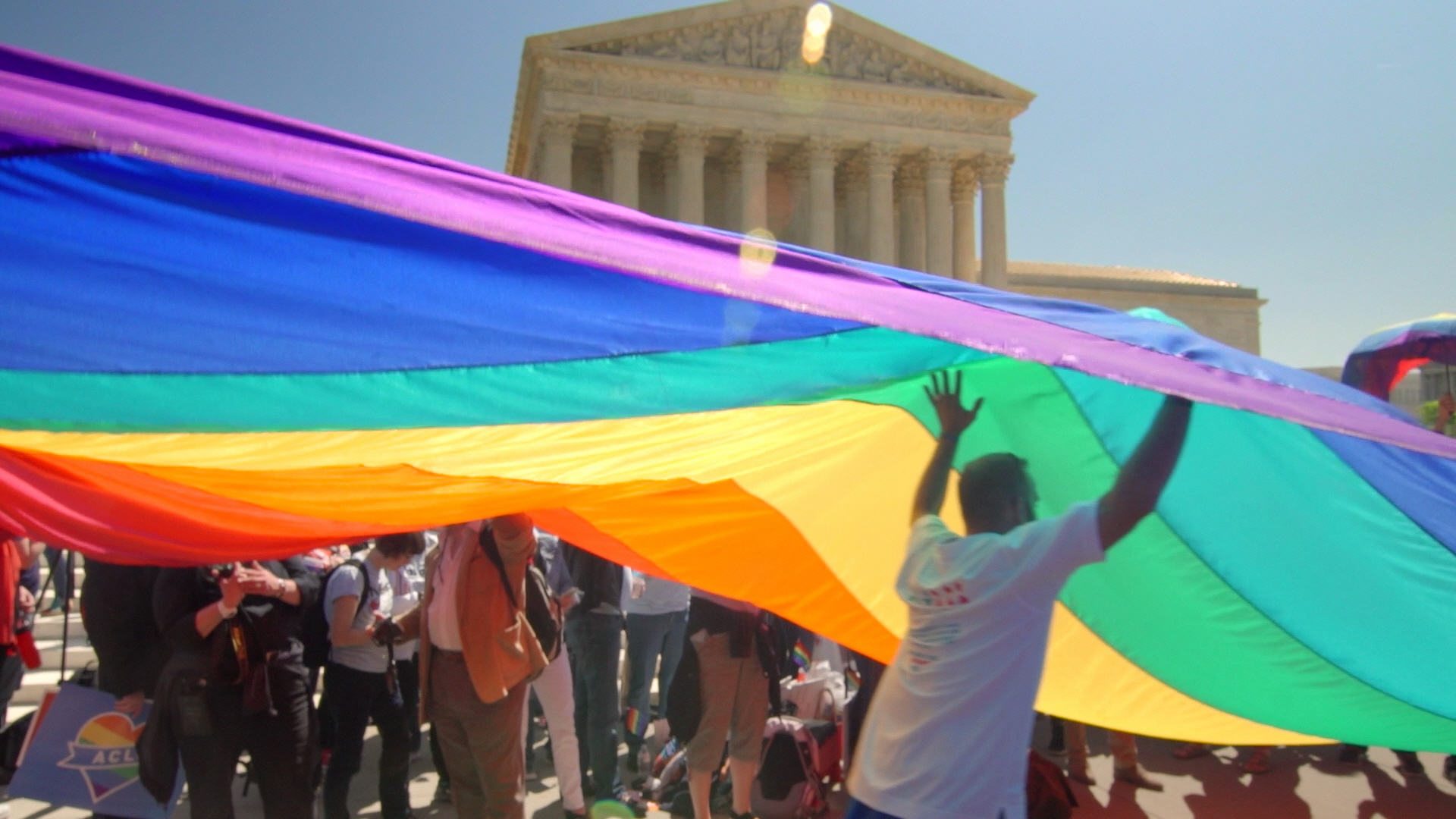
“This morning, the Supreme Court recognized that the Constitution guarantees marriage equality. Folks who were willing to endure bullying and taunts, and stayed strong, and came to believe in themselves and who they were, and slowly made an entire country realize that love is love.”
This is a part of the speech president Obama announced after the Supreme Court’s ruling upholding the constitutionality of same-sex marriage in 2015. <Political Animals> starts with this speech. And then continues by saying “People think the historical advances which are natural now have been achieved in a heartbeat. But they were never just given.”
The documentary unfolds the history of struggles that made those progresses become reality. In the middle of this history are four lesbian politicians. They put their efforts in enacting the anti-discrimination law to prevent students from being outcasted or abused in school according to their sexual orientation and gender identity in the 1990s. Thanks to them, the anti-discrimination legislation enacted at last in 1999. Following this feat, they took the lead in enacting laws which allow homosexual partners to have the same legal rights as a family with heterosexual partners. These accomplishments of struggles accumulated to make history advance, little by little.
Change never comes all at once. When the buried voices are heard at last, when those voices become a group and earn political strength, and when that empowerment achieves institutional progress, change is at last, visualized in the overlapping of time. <Political Animals> is a record of that heart-throbing history. [Jay Sohn]
Credits
- Director Jonah Markowitz, Tracy Wares
- Producer Anne Clements
- Cinematographer David Gil
- Editor Michael Hofacre
Contribution & World Sales
- Contribution & World Sales Arlin Golden
- E-mail arlin@videoproject.com