

Synopsis
Following a series of suspicious disappearances that took place in the early 70s, Out of Thin Air examines the biggest criminal investigation Iceland has ever seen. In a country where crime was rare, and murder rarer still, the people were desperate for a resolution. When six people confess to two violent murders and are sent to prison, many believed the nightmare to be over. But in many ways the nightmare has just begun…
Director
-
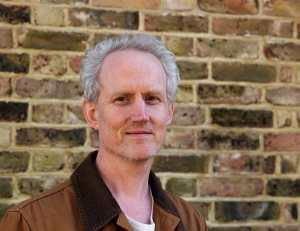 Dylan HowittMatters of Life and Death (2014)
Rooted (2005)
Tree of Guns (2005)
Robert Newman: Resistance is Futile (2001)Two strange disappearances, a dark unsolved mystery, a hundred unreliable versions of what had happened. All these things made for a fascinating and compelling story to try and tell. The setting was incredible too—Iceland in the mid-1970s—a time when that country was rapidly modernising after centuries of poverty and isolation. Icelanders told me that before then the country had existed in a state of innocence with almost zero crime. This case symbolised the loss of that innocence.
The producer Andy Glynne had been pitched the idea by a researcher and asked me if I wanted to direct. Over a pint we discussed making a highly cinematic, real-life Nordic noir, seen through the lens of unreliable memory.
As one journalist says in the film, studying the case felt like jumping into a ‘black hole’—the more I learnt, the more elusive it became. The details were complex and contradictory, there were so many more speculations than facts. Meeting two of the accused, Gudjon and Erla, suggested a storytelling approach. Not to rely on narration, but instead first person accounts, interviewing anyone who was witness to these strange events, and weaving in confessions, prison diaries and police reports. We used film and photographic archive from the time, and extensive drama reconstruction to take the audience to that specific time and place.
Ideas of false memory fascinated me. Two questions emerged. Is it possible, as the Icelandic police had suggested, to witness something so horrific you entirely suppress the memory of it happening? And even more intriguing: can extreme circumstances create memories where there were none before – could you be made to have a specific visual memory of a crime you hadn’t committed?
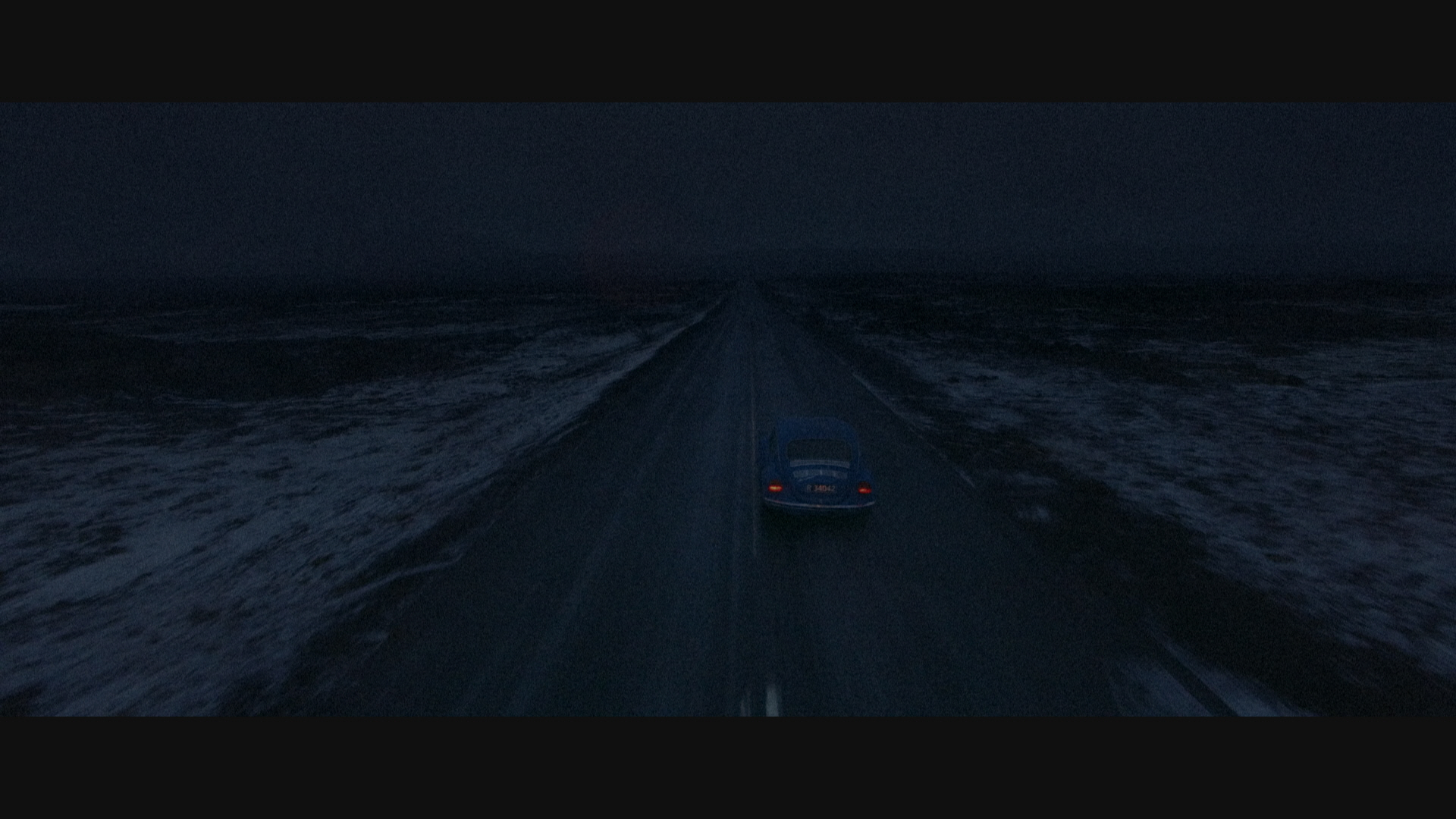
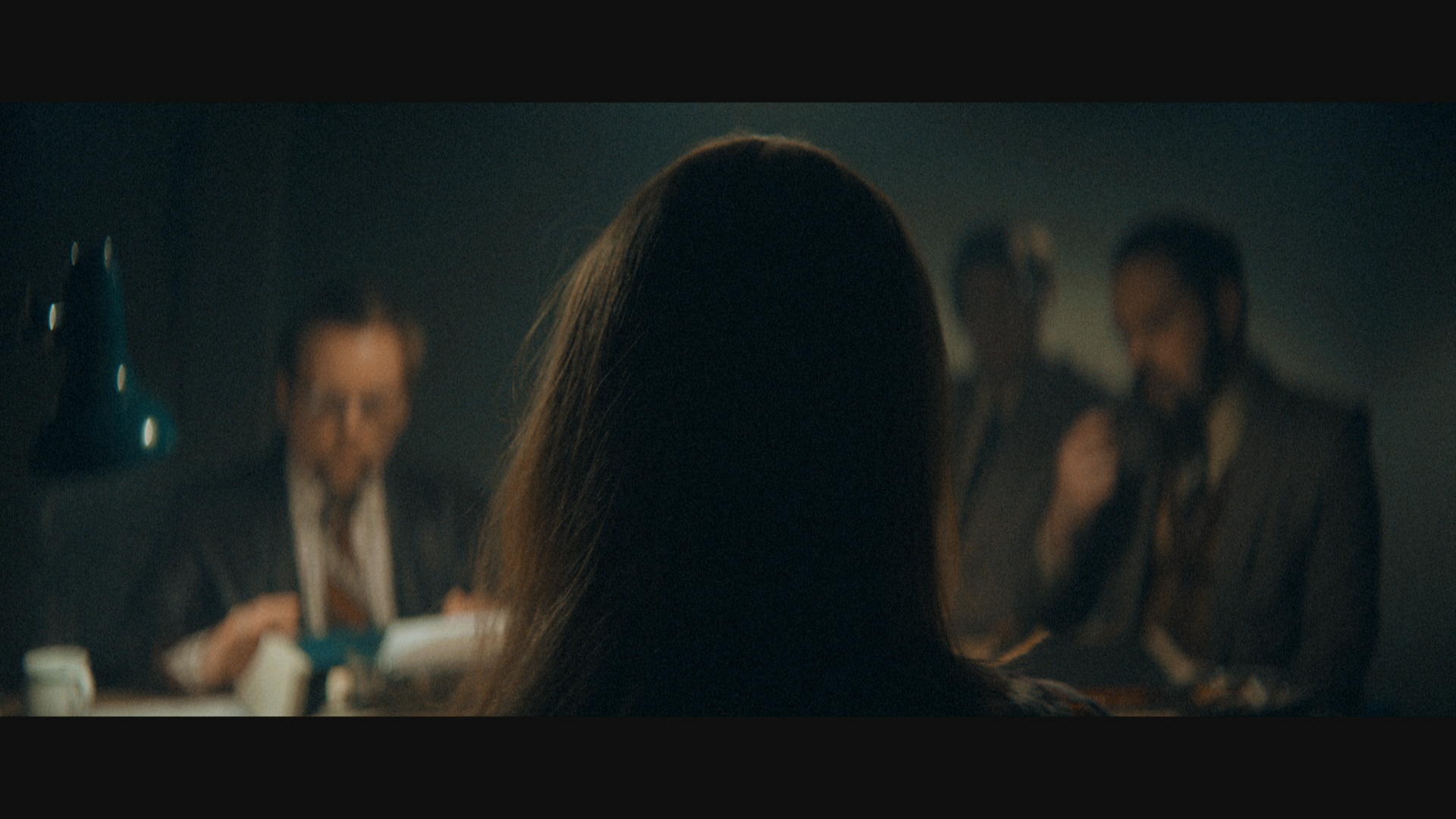
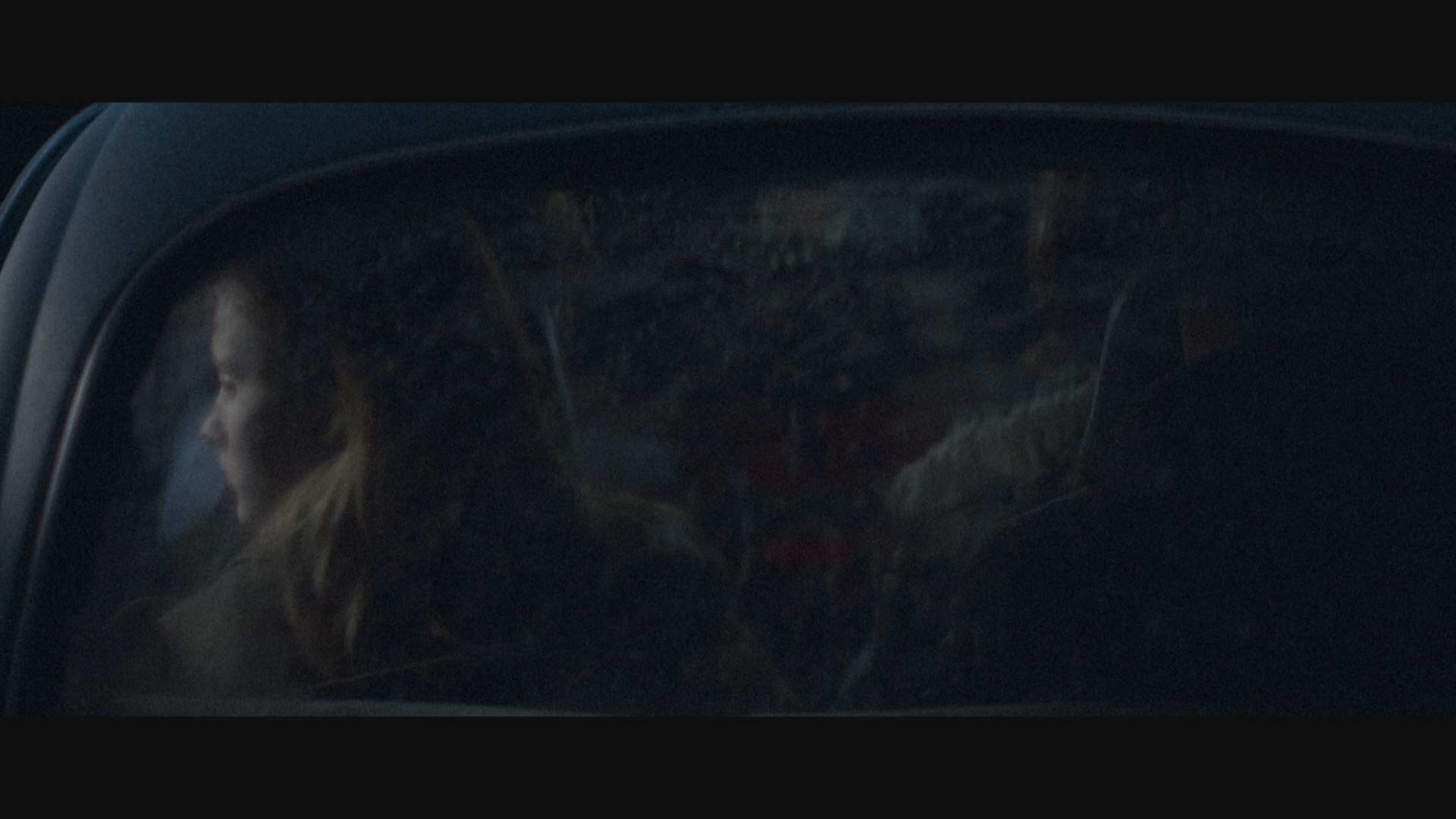
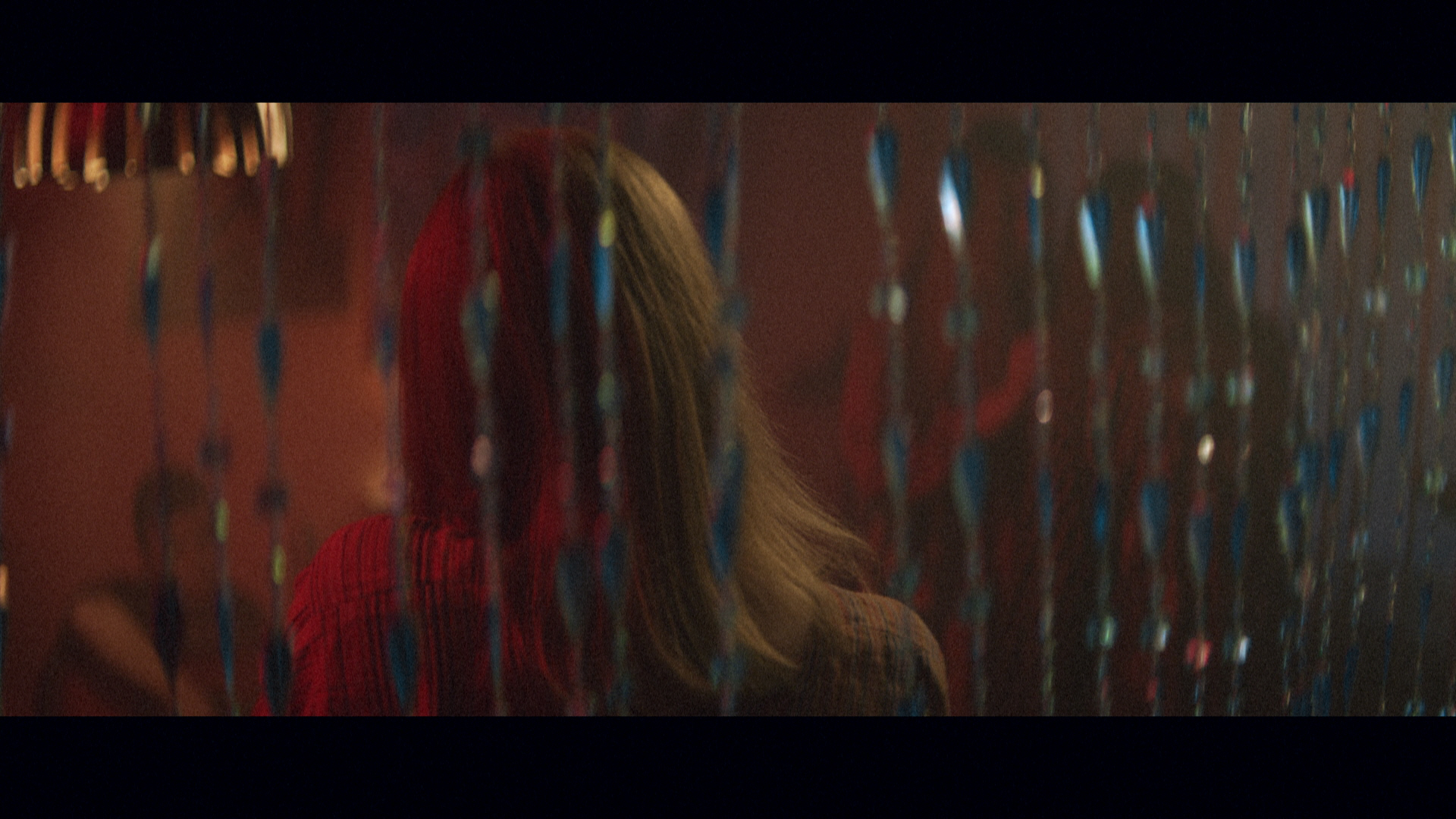
It was exciting and fulfilling to work closely with our Icelandic co-producer Margret Jonasdottir and a completely Icelandic crew. They brought an aesthetic and authenticity that informs every frame of the film, from art direction to costume design. Working with DOP Bergsteinn Björgúlfsson (Trapped, Of Horses and Men), and drama co-director Oskar Jonasson (Reykjavik-Rotterdam) I decided to shoot the drama so you never see faces clearly. The audience is given space to project themselves into the story. We used anamorphic vintage Kowa lenses to evoke both the era, and an internal subjective headspace. Music by Ólafur Arnalds (Broadchurch) and sound design by Gunnar Oskarsson created a dark wintery atmosphere. My intention was that the cumulative effect would feel internal, claustrophobic, and speak of the fragility of the mind and a shocking abuse of power.
The story is over four decades old, but in Iceland it feels current and personal, almost like a family saga. Everyone seems to have a theory about what really happened, and lessons are still being learnt as misdeeds are finally acknowledged. The news that the murder convictions had been sent back to the Supreme Court came out the same week we finished the edit. Too late to change the structure of the film, but just in time to underline why the story needed to be told.
Review
As a country with the lowest population density in the world and the lowest crime rate, this pastoral country Iceland rarely finds a murder case. <Out of Thin Air>, however, shows a story of the most notorious murder case in the history of Iceland. As two unrelated men were missing in 1974, the case started and seemed to end as six young people were arrested under the charge of murders. But this case has much more complicated truth behind it.
After 40 years later, this case became a subject for retrial. How come they were sentenced for murder with no material evidence or corpses. This case began with confession, and only that confession led to the verdict. The fear created by oppressive atmosphere during interrogation, in solitary confinement for a long time, manipulated memories and facts. This case became a symbol that public madness, media and power transformed young people into devil incarnates and monsters. It is also a reason that the current law protects the Corroboration of the Confession Rule(when the confession is the only evidence, it can’t be declared guilty).
The film starts as if mystery genre. Landscape in night, showing closed-up body parts, startled eyes and two young women going into the prison and so on. Represented images begin to connect like fragmented puzzle pieces and the voice of a narrator reflecting the case starts the story. The film adopts various documentary techniques such as professional interviews, images recorded in the past, representation of the case and the narrative depending on subjective memories in current viewpoint. [Lim Sea-eun]
Credits
- Director Dylan Howitt
- Producer Andy Glynne
- CoProducer Margret Jonasdottir
- Cinematographer Bergsteinn Björgúlfsson
- Editor Miikka Leskinen
- Music Ólafur Arnalds
- Sound Árni Benediktsson
Contribution & World Sales
- Contribution & World Sales Mosaic Films
- Phone 020 7923 2994
- E-Mail andy@mosaicfilms.com