
Synopsis
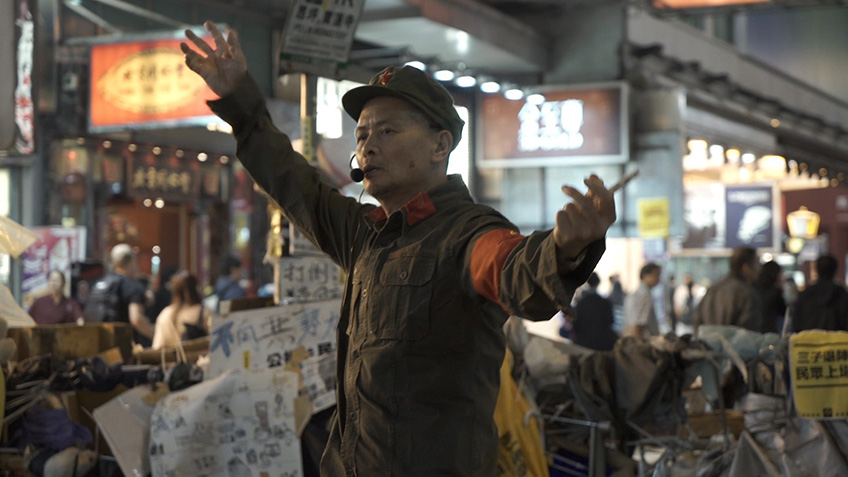
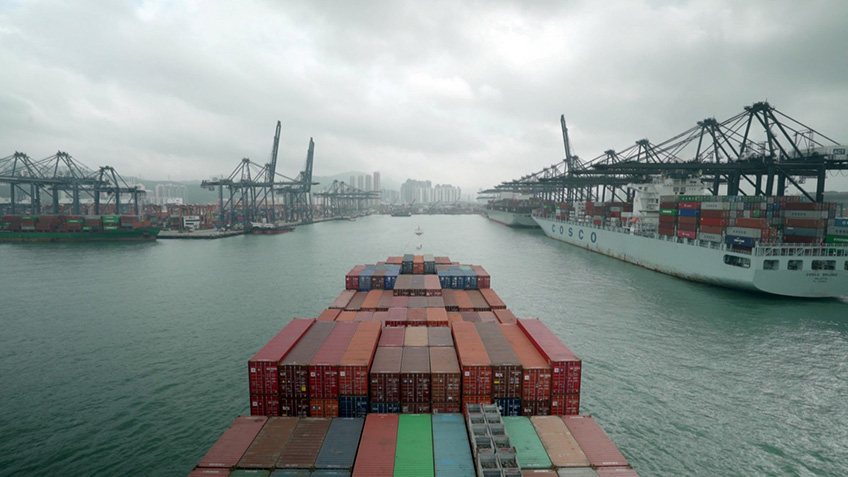
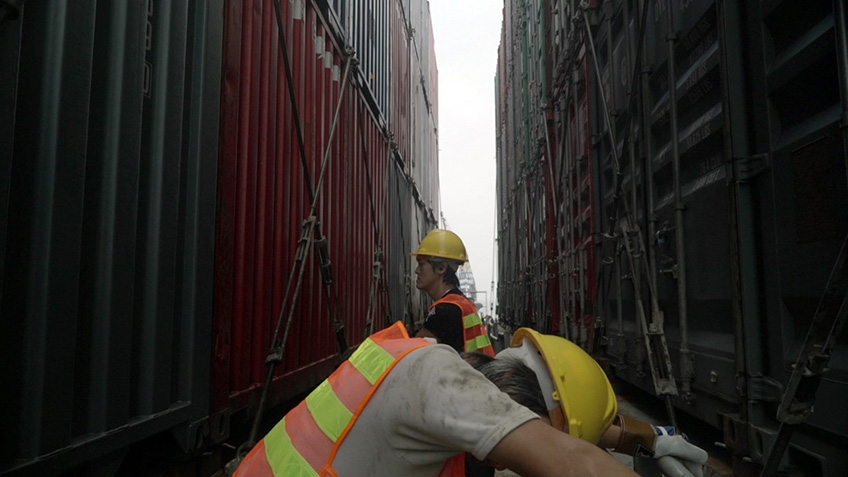
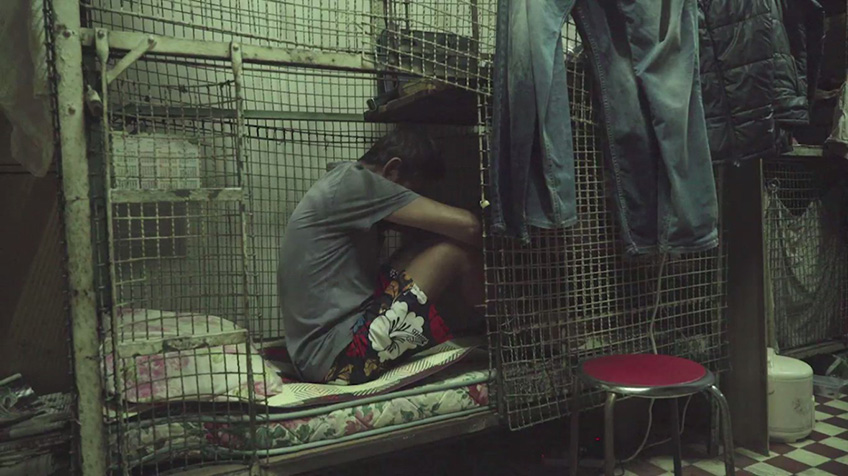
The film presents urban space in Hong Kong as a vivid showcase of the hidden logics of globalization, capitalism and historical changes of today’s world cities. The film contains three chapters that is parallel to but interwoven with each other: global, local and border space. The film examines a series of urban landscapes in Hong Kong to illustrate the tension among their visual existence, function and ownership, and how the city’s public space has been constructed, used, owned and interpreted.
Director
-
 Bo WangChina Concerto (2012)
Space in Hong Kong duplicates itself like a time-oblivious machine –it is a space that turns into a tool of extremely efficient capitalistic production and reproduction. In our film, we contrast the city’s high density. Starting with this unique visual concept, we are interested in showing the contradictions of spatial production of Hong Kong as an extreme case among other capitalistic cities. Hong Kong has long been considered as an extreme case of Sharon Zukin’s argument that ‘market’ erodes ‘space’. We will visualize the visible/invisible boundaries of socio-spatial stratifications that are overshadowed by a naturalized gaze.
-
 Pan LuTraces of Invisible City (2016)
Review
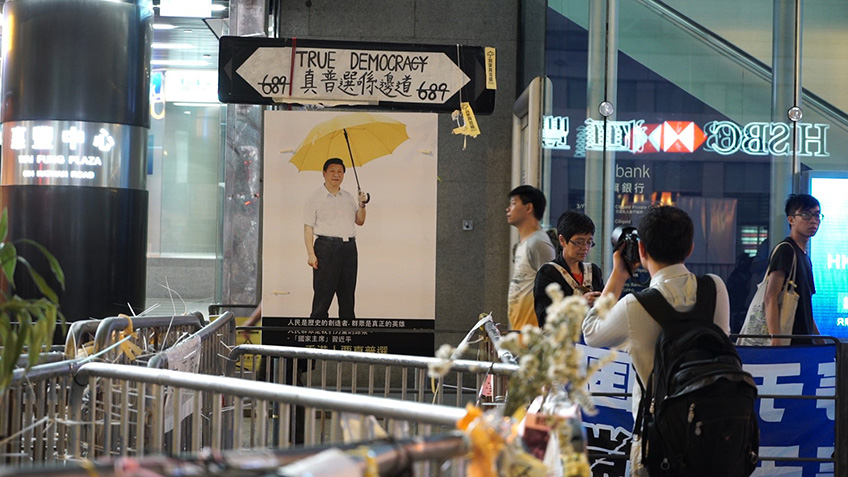
In July 1997, when China needed a ‘virgin’ space to hold a ceremony for the reversion of Hong Kong to China, China opened Hong Kong Convention Center and used it for the ceremony. Now, the building is the biggest convention center of Asia holding a lot of exhibitions and fairs. The yellow umbrella march developed into a movement for democracy of Hong Kong against an election system suggested by China began at Victoria Park to the legislative Council of Hong Kong. Hong Kong police used tear gas to suppress citizens, this yellow umbrella march developed into 3-month street occupation. Shenzhen, once a small fishing village across Hong Kong 30 years ago went through dramatic economic development and transformed into a modern manufacturing city which was celebrated as a successful example of China’s reform and open-door policy.
Images in the film show these three different landscapes revealing clashes between social classes, visual changes within space, complex social dilemma. It is a work of questioning about what space is allowed to what social class, and which class experiences which space as well as a work of exploring. [Park Hye-mi]
Credits
- Director Bo Wang, Pan Lu
- Producer Kim Kyungmi, Park Chi-hyun
- Cinematographer Bo Wang, Volker Sattel, Jung Suk-hoon
- Editor Bo Wang, Liu Zhangbolong
Contribution / World Sales
- Contribution / World Sales Kim Kyungmi
- Phone 1 646 925 6149
- E-mail kyungmi007@gmail.com