



Synopsis
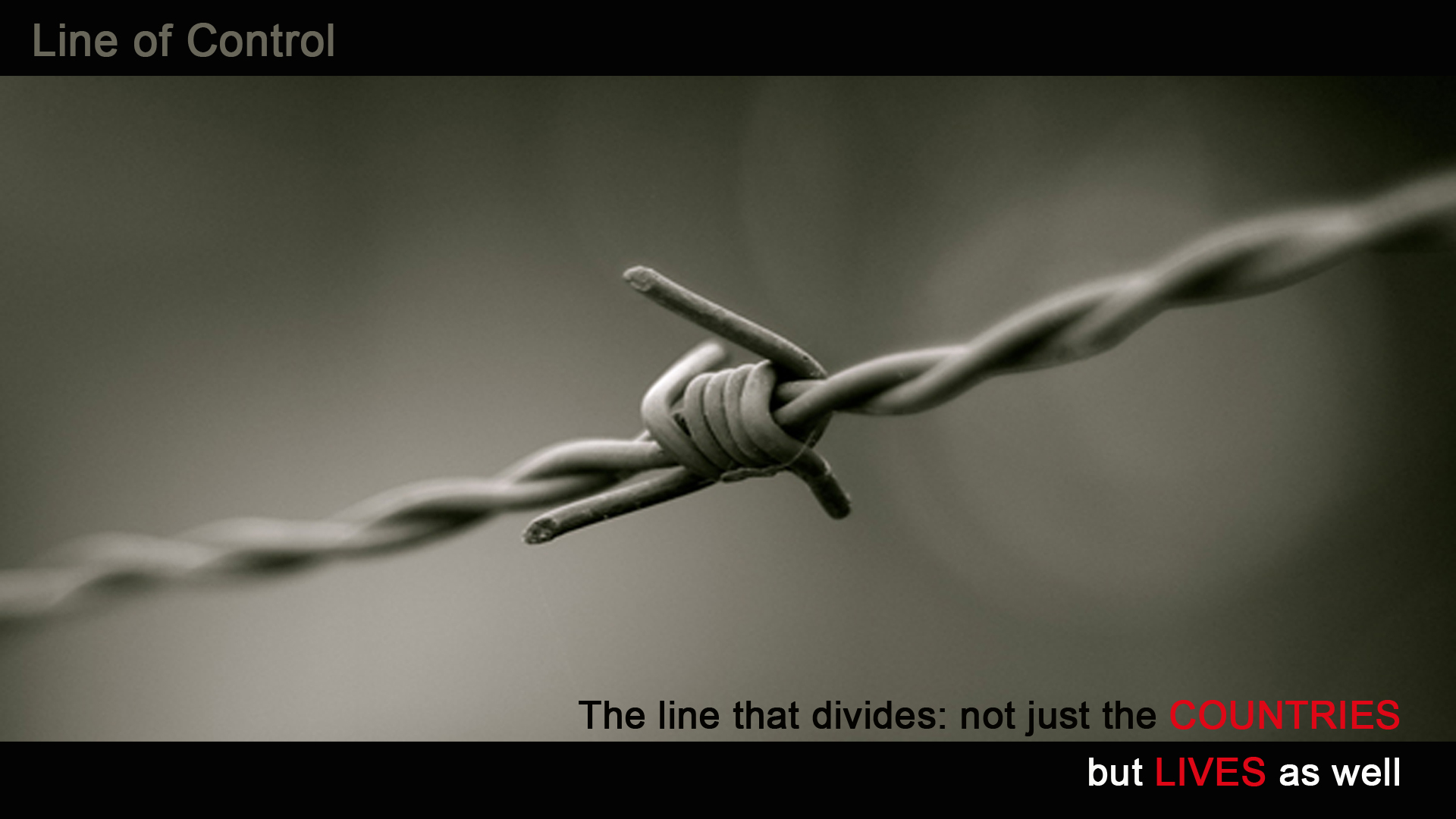
Line of Control is a film exploring the lives of families across the Line of
Control who live an isolated life away from their loved ones and yearn to be reunited with them someday. Keran is a village situated on Indian side of Line of Control. With the onset of militancy in the state of Jammu and Kashmir in early nineties, around 90 percent people fled from Keran village and crossed over to the Pakistan side of Kashmir.
Director
-
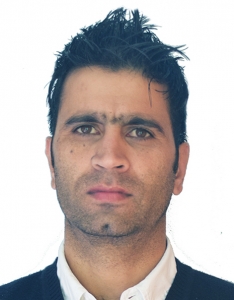 Raja Shabir KhanVanishing Glacier (2014)
Delhi - Fear and Freedom (2013)
Shepherds of Paradise (2012)
Angels of Troubled Paradise (2011)I am from Indian Kashmir; I have experienced impact of Line of Control firsthand. One of my closest friend crossed over to Pakistan and was not able to come back. He then moved to Malaysia and that is when, I was able to meet him after 15 years. Once I came through a news report about the divided families across a small village situated on the border of Indian and Pakistani Kashmir. I decided to travel to the village to meet the families. I met people whose families have crossed over
to the Pakistan side of Kashmir two decades ago and they are not able to meet them because of the strict borders between India and Pakistan. I could feel the pain of the families and relate myself to the people who are separated from their dear ones by a line called Line of Control. I hope that my film will be means to facilitate greater understanding and ultimately peace.
Review
The ’Line of Control’ is the heavily militarized territory between the Jammu people and Kashmir that is controlled on one side by India and the other side by Pakistan. The documentary depicts the everyday life of the people living in an Indian-controlled village called Karen. In the early 1990s, as the conflict between Indian and Pakistan intensified, the majority of the people living in Karen moved to Pakistan. The people who decided to remain in the village for different reasons have lead unfilled lives of longing, resentment and remorse. A narrow river runs between Karen and Pakistani land, so family members separated from each other often come to the river bank to check on each other, take comfort in seeing each other’s faces and throw notes. However, these small, but poignant interactions are getting more difficult as these days the restrictions from each government are getting increasingly severe. The scene which captures the loss written on the faces of the villagers as they gaze longingly at their missing family members while clutching notes in their hands is very intense. The intermittent inserts of radio broadcasts, which are presented as background sound, inform us about the intensified antagonism to Muslims and Pakistanis in India and about conflicts and wars in other parts of the worlds. However, the films ends with Ashiraf Joo(a man whose family is separated) arriving in Pakistan and reuniting with his family after a long and tortuous process. The film seems to believe that someday the conflict in Kashmir, and all of the conflicts in the world will cease. [Hwang Miyojo]
Credits
- Director, Producer, Cinematographer, Sound Raja Shabir Khan
Contribution & World Sales
- Contribution & World Sales Raja Shabir Khan
- E-Mail rajashabir@gmail.com