
트레일러
시놉시스
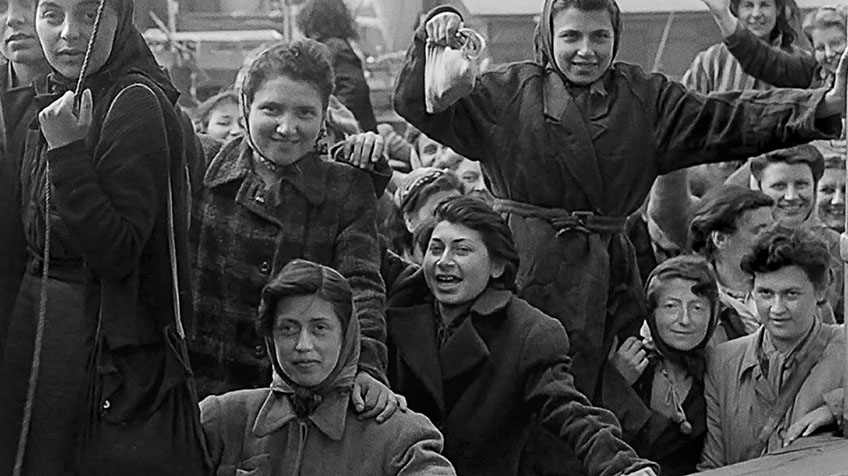
1945년 4월 28일, 독일로부터 강제수용소 생존자들을 실고 온 배가 스웨덴 말모 항구에 도착한다. 70년 후, 생존자들은 그 당시 자신들의 모습이 담긴 푸티지를 처음으로 마주한다. 그들은 삶이 다시 시작되던 기이한 날에 느꼈던 행복, 혼란 그리고 불안감을 다시 떠올린다. 그것은 모두 하나가 되던 해방의 순간이었다. 오늘날 전세계에서 1945년과 비슷한 장면이 반복된다. 끊없는 분쟁의 흐름속에서 익명의 난민들은 지금도 여전히 모국을 떠날 것을 강요 받는다.
감독
-
 매그너스 애튼
Magnus GerttenBecoming Zlatan (2015)
Tusen bitar (2014)Many documentaries start with taking on a big challenge. By trying to do the practically impossible. This is also the case with Every Face Has a Name. I was fascinated beyond belief by a film reel showing WWII survivors arriving at the harbor of Malmö, Sweden on April 28, 1945. I wanted to know: How many of the anonymous faces would it be possible to identify 70 years later?
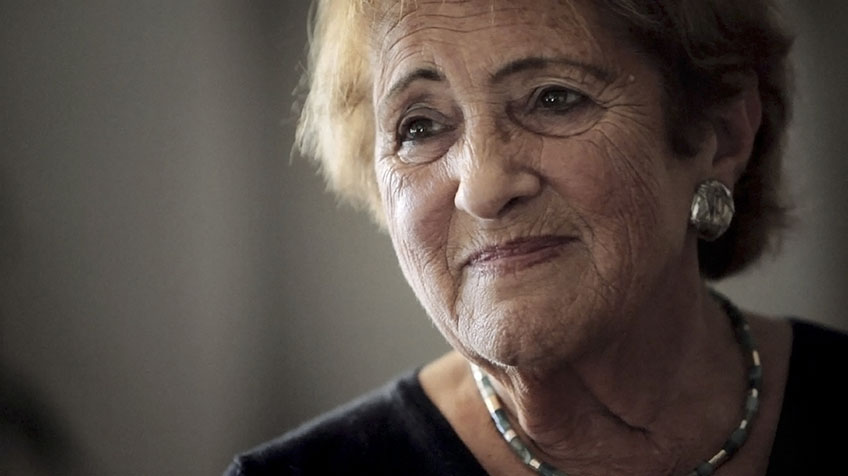
My team at Auto Images has been researching this historic footage since 2008. At this point, we’ve identified and found the names of about 60 out of the hundreds of survivors from German concentration camps that appear in the archive footage. Surprisingly, several of them were still alive. Nine of them ended up as the main characters in Every Face Has a Name.
This documentary has a clear-cut humanitarian mission. The people in the archive footage are not just anonymous victims; they are real people with names like all of us. My film is – in an almost ceremonial way – giving back the names to many of the survivors who arrived in Malmö, Sweden on April 28, 1945.
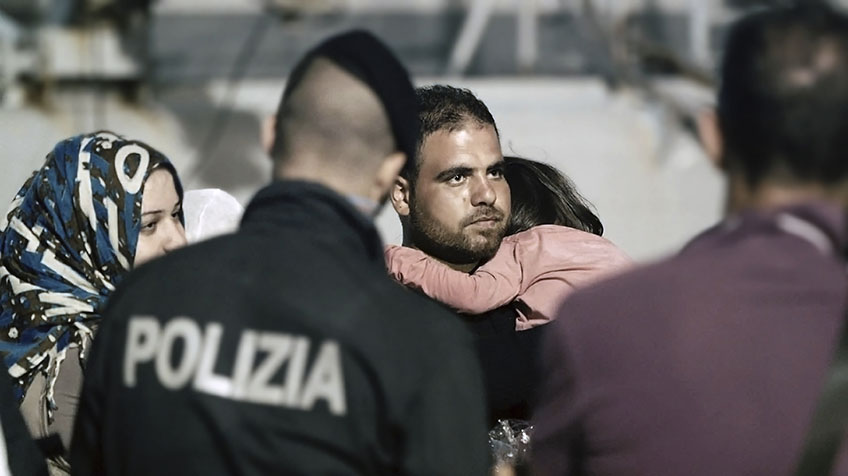
To me, this is a film with huge contemporary relevance. Every week via international news media, we see endless streams of war refugees arriving at harbor and border stations. For quite some time I’ve had the idea of comparing the situation in 1945 to the present global war refugee situation. Finding the right harbor was tough, but finally I was lucky. On July 1, 2014, my team and I were present at small Sicilian harbor when close to 600 refugees arrived after a dramatic journey across the Mediterranean. Being there had a great impact on me. If I in any way can change people’s views on the displaced people coming from horrific circumstances all over the world today, then my work has truly accomplished something.
Every director has their trademark. My style has always been very intimate. Bringing the audience close the main characters through sensitive and emotionally strong interviews is a cornerstone. In Every Face Has a Name, I combined the emotional power of individual portraits with a concept based on a magical exploration of a 35 mm film reel from 1945. My ambition was to make the film reel one of the main characters in the doc. Sophisticated editing and high-end technology—including a new 4k scan—revealed more detail and helped us create ”new scenes” in the archive footage.
One important element in my artistic method is the team building. Making films is like playing in a rock band. It doesn’t matter if you’re the singer and the songwriter; you still need a solid bass player and a rhythmic drummer to depend on. In this respect, I’d like to give a special mention to one key band member: Jesper Osmund, a film editor from Copenhagen, who’s been there through seven documentaries so far. His storytelling abilities on the highest international level are of huge importance for the film. Portions of the same archive material were used in my 2011 documentary
Harbour of Hope, which provides a historic context in regard to the almost 30,000 survivors from German concentration camps that, came to Sweden in 1945. In Every Face Has a Name I tell the
리뷰
누추한 모습의 사람들이 배에서 내린다. 카메라를 향해 손을 흔든다. 기쁨, 혼란, 슬픔, 안도, 설렘, 희망 등이 교차하는 표정들. 낡은 흑백필름 속 얼굴들은 1945년 나치 수용소에 수감되었던 포로들이며, 난민 자격으로 스웨덴 항구에 들어올 때 찍힌 모습이다. 뉴스에서 이런 이미지들을 볼 때, 우리는 이들을 그저 '난민'이라는 하나의 덩어리로 인식하거나 통계에 잡히는 '숫자'로 기억할 뿐이다. 하지만 이들 역시 저마다의 목소리와 사연을 갖고 있는 사람들이다. 영화의 제목이 암시하듯, 영화는 이날 카메라에 찍힌 익명의 얼굴들에게 저마다의 이름을 찾아준다. 전세계에 흩어져 살고 이미지 속 주인공들을 찾아내어, 기록 영상을 보여주고, 당시를 회고하는 그들의 증언을 듣는다. 유대인 소년임이 들킬까 봐 3살 이후로 계속 여장을 해온 소년, 이탈리아로 친지방문을 갔다가 스파이로 오인 받아 나치에게 체포된 미국인 소녀, 노르웨이 레지스탕스 대원으로 활약하다 체포된 남자. 저마다의 사연과 저마다의 생존기가 이어진다. 배에서 내리던 자신의 모습을 70년 만에 마주하는 사람들은 거의 대부분 "저 때 어떤 감정이었는지 기억이 난다"고 말한다. 그만큼 이들에게는 이날이 인생에서 잊기 힘든 중요한 순간이었을 것이다. 그리고 오늘날에도 이들과 비슷한 상황을 맞은 사람들이 있다. 바로 온갖 재난을 피해 유럽으로 건너 오는 난민들. 감독은 영화 말미에 가서 이들의 얼굴에도 이름을 부여해주며 그들의 삶에도 귀 기울일 것을 당부하고 있다. [박문칠]
Credits
- Director Magnus Gertten
- Producer Lennart Ström, Magnus Gertten
- Cinematographer Adam Makarenko, Caroline Troedsson
- Editor Jesper Osmund
- Music Hans Appelqvist
- Sound Audun Røstad, Jørgen Meyer
Contribution / World Sales
- Contribution / World Sales Rise And Shine World Sales UG
- Phone 49 30 4737 298 0
- E-mail anja.dziersk@riseandshine-berlin.de
- Website http://www.riseandshine-berlin.com