


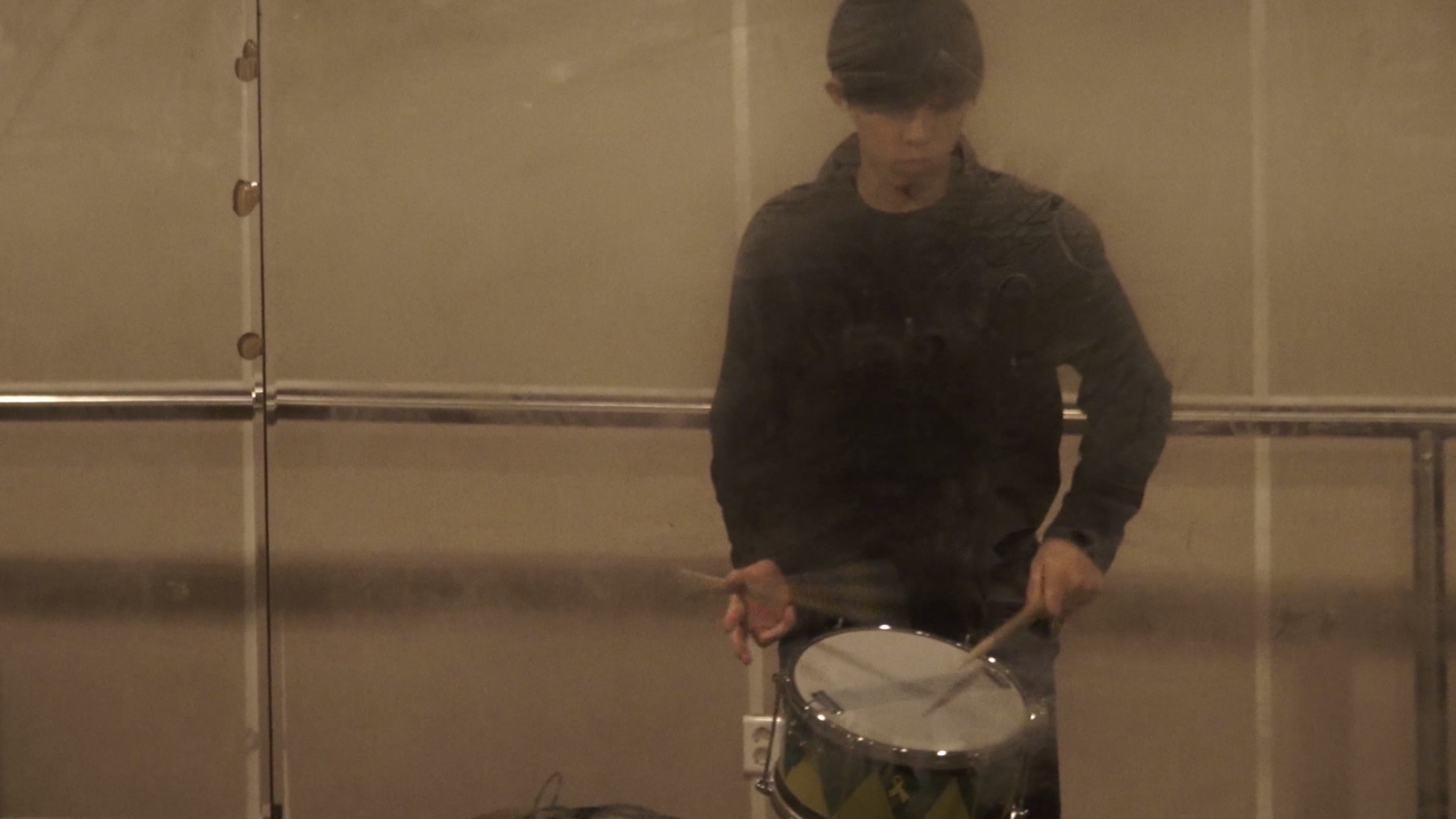

시놉시스
소라는 2급 청각장애인이며 하자작업장학교의 공연팀에 속해있다.
“청각장애인인 소라가 3년간 어떻게 공연 팀에서 활동해왔으며, 지금은 어떻게 활동하고 있을까?”라는 질문을 시작으로, 소라와 학교 친구들이 서로 맞춰가며 생활하는 모습을 영상에 담기 시작했다. 소라의 얼굴을 보고 입 모양을 크게 해가며 대화하는 친구들의 일상. 하지만 어느 날, 공연 중 소라의 보청기가 오작동을 일으켜 소라는 일순 아무것도 들리지 않게 된다.
감독
-
 김민서
김민서
Kim Min-seo바꿀 것인가 기다릴 것인가 (2016)”소라의 장애를 인정하고 그에 맞춘다는 것이 자칫 상처가, 차별이 돼버리지 않을까? 나는 소라와 똑 같은 사람이니까, 소라의 장애에 대해 물어보지도 언급하지도 말아야겠다.”
과연 소라와 나는 같이, 잘, 살아가고 있던 것이었을까?
영화의 시작은 소라와 친구들의 잘 맞춰가며 함께 사는 모습을 담는 것이었다. 같이 잘 살고 있다고 생각했으니.
하지만 공연 중 소라의 보청기가 일으킨 오작동. 그 “차이”가 드러나는 순간 어떻게 해야 할 지 당황하며, 별로 중요하게 생각지 않는 모습이 카메라에 담긴다. 소라 자신조차 혼자만의 일이라 생각하며 넘기려 한다. 언젠가는 또 마주치게 될 서로의 차이. 이것을 무시하면 같이 사는 방법을 끝까지 모르는 사람들로 남을 것이다.
장애인은 그들의 삶이, 문화가 있다. 비장애인도 그들의 삶과 문화가 있다. 어떠한 모습으로 규정된 정상적인 사람은 없다.
혹 차별이 될까 두려워 “나와 소라는 똑 같은 사람이야, 똑같이 사고하고 경험할 거야.”
생각하며 그에 따라 행동한다면, 그것을 “같이” 살고 있다고 할 수 있을까?
나와 저 사람이 어떻게 다른지, 어떤 일상을 살아왔는지 궁금해하고 마주하고 인정하는 것.
그 후 어떤 걸 맞춰갈 수 있을지 생각하는 것.
그것이 같이 사는 삶의 첫 걸음이라는 걸 우린 영화를 찍으며 배웠다. -
 김남주
김남주
Kim Nam-ju친구들 (2017)”소라의 장애를 인정하고 그에 맞춘다는 것이 자칫 상처가, 차별이 돼버리지 않을까? 나는 소라와 똑 같은 사람이니까, 소라의 장애에 대해 물어보지도 언급하지도 말아야겠다.”
과연 소라와 나는 같이, 잘, 살아가고 있던 것이었을까?
영화의 시작은 소라와 친구들의 잘 맞춰가며 함께 사는 모습을 담는 것이었다. 같이 잘 살고 있다고 생각했으니.
하지만 공연 중 소라의 보청기가 일으킨 오작동. 그 “차이”가 드러나는 순간 어떻게 해야 할 지 당황하며, 별로 중요하게 생각지 않는 모습이 카메라에 담긴다. 소라 자신조차 혼자만의 일이라 생각하며 넘기려 한다. 언젠가는 또 마주치게 될 서로의 차이. 이것을 무시하면 같이 사는 방법을 끝까지 모르는 사람들로 남을 것이다.
장애인은 그들의 삶이, 문화가 있다. 비장애인도 그들의 삶과 문화가 있다. 어떠한 모습으로 규정된 정상적인 사람은 없다.
혹 차별이 될까 두려워 “나와 소라는 똑 같은 사람이야, 똑같이 사고하고 경험할 거야.”
생각하며 그에 따라 행동한다면, 그것을 “같이” 살고 있다고 할 수 있을까?
나와 저 사람이 어떻게 다른지, 어떤 일상을 살아왔는지 궁금해하고 마주하고 인정하는 것.
그 후 어떤 걸 맞춰갈 수 있을지 생각하는 것.
그것이 같이 사는 삶의 첫 걸음이라는 걸 우린 영화를 찍으며 배웠다. -
 이성재
이성재
Lee Sung-jae친구들 (2017)”소라의 장애를 인정하고 그에 맞춘다는 것이 자칫 상처가, 차별이 돼버리지 않을까? 나는 소라와 똑 같은 사람이니까, 소라의 장애에 대해 물어보지도 언급하지도 말아야겠다.”
과연 소라와 나는 같이, 잘, 살아가고 있던 것이었을까?
영화의 시작은 소라와 친구들의 잘 맞춰가며 함께 사는 모습을 담는 것이었다. 같이 잘 살고 있다고 생각했으니.
하지만 공연 중 소라의 보청기가 일으킨 오작동. 그 “차이”가 드러나는 순간 어떻게 해야 할 지 당황하며, 별로 중요하게 생각지 않는 모습이 카메라에 담긴다. 소라 자신조차 혼자만의 일이라 생각하며 넘기려 한다. 언젠가는 또 마주치게 될 서로의 차이. 이것을 무시하면 같이 사는 방법을 끝까지 모르는 사람들로 남을 것이다.
장애인은 그들의 삶이, 문화가 있다. 비장애인도 그들의 삶과 문화가 있다. 어떠한 모습으로 규정된 정상적인 사람은 없다.
혹 차별이 될까 두려워 “나와 소라는 똑 같은 사람이야, 똑같이 사고하고 경험할 거야.”
생각하며 그에 따라 행동한다면, 그것을 “같이” 살고 있다고 할 수 있을까?
나와 저 사람이 어떻게 다른지, 어떤 일상을 살아왔는지 궁금해하고 마주하고 인정하는 것.
그 후 어떤 걸 맞춰갈 수 있을지 생각하는 것.
그것이 같이 사는 삶의 첫 걸음이라는 걸 우린 영화를 찍으며 배웠다.
리뷰
인트로 영상에 표현된 인상적인 묵음은 관객들을 소라의 입장이 되어보게 한다. 영상의 주인공, 소라는 청각장애인이다. 하자작업장학교에 다니며 공연음악팀에서 활동하고 있는 소라가 어떻게 친구들과 의사소통하고 있는지, 학교에서 어떤 생활을 하고 어떻게 느끼고 있는지를 담은 다큐멘터리이다.
소리가 온전히 들리기 않기 때문에 한 쪽 귀에는 인공와우를, 다른 쪽 귀에는 보청기를 착용하고 악기들의 소리를 파악하기 위해 귀 기울이고, 친구들에게 질문하고, 연습하는 소라의 모습이 담담하게 그려진다. 흔한 편견으로 ‘청각장애인이 음악을 하는 것은 무리 아니야’라고 생각할 수 있지만 소라는 비장애인 친구에게 자기가 맡은 악기 연주법을 알려줄 만큼 자신의 역할에 능숙한 모습이다. 소라 주변에서 함께 생활하는 친구들도 소라의 청각장애가 친구들 사이의 소통에 전혀 문제가 되지 않고, 연주를 할 때에도 소라가 다르다는 부분은 잘 느끼지 못한다. 하지만 정작 소라는 비장애인 친구들과는 의사소통의 조건이 달랐다. 보청기가 오작동하거나 말하는 사람의 입이 가려지면 원활한 소통이 어려울 정도로 여느 비장애인 친구들과는 듣는 방법이 달랐다. 그 뒤 영상은 청각장애인인 소라가 어떻게 듣는지, 어떤 방법으로 소통하는지를 소라 본인의 내레이션으로 자세하게 설명하고 있다. 그 모습이 아주 조금은 외로워 보인다. 내가 듣는 것을 아무도 잘 알지 못한다, 다른 사람들이 듣는 것을 나는 알 수 없다는 것은 생각보다 외로운 일일 것이다.
‘장애인이니까 비장애인과 동등하게 대해야해’라는 것은 어쩌면 자연스러운 일이 아닐 수도 있다. 비장애인들이 장애에 대한 사회적 차별이나 편견을 갖지 않는 것이 중요한 만큼, 장애를 가진 사람의 상황과 조건을 고려하고 이해하고자 하는 태도도 중요한 것이다. ‘듣는 방법의 다름을 이해하는 과정’을 통해 소라의 세계에 입문한 친구들은 이 영상을 통해 이러한 태도의 중요성에 대한 이야기를 하고 있다. [경희령]
Credits
- Director Kim Min-seo, Kim Nam-ju, Lee Sung-jea
- Cinematographer, Editor Kim Min-seo, Kim Nam-ju
Distribution & World Sales
- Distribution & World Sales Kim Min-seo, Kim Nam-ju
- E-mail hisanahosu@gmail.com