


시놉시스
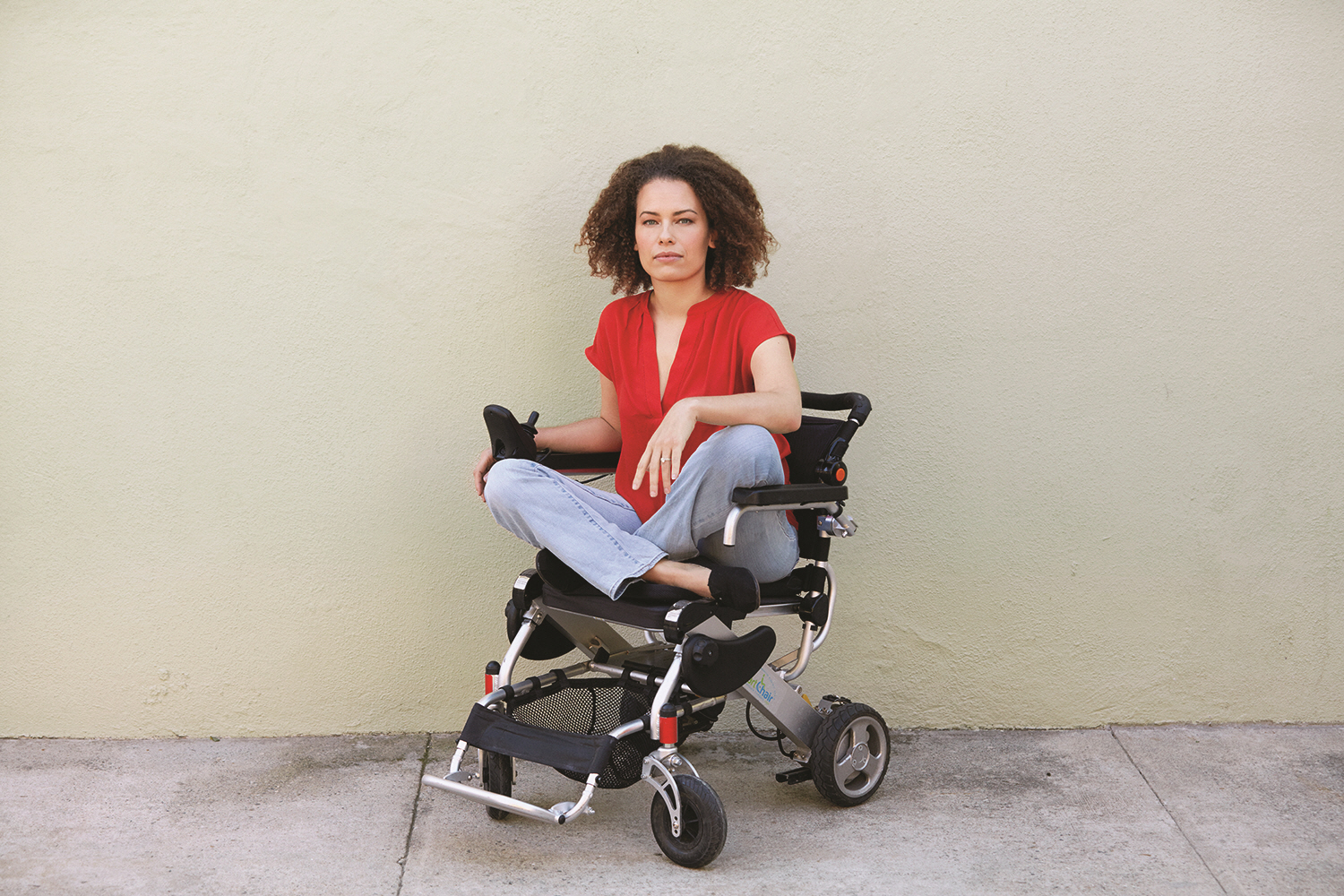
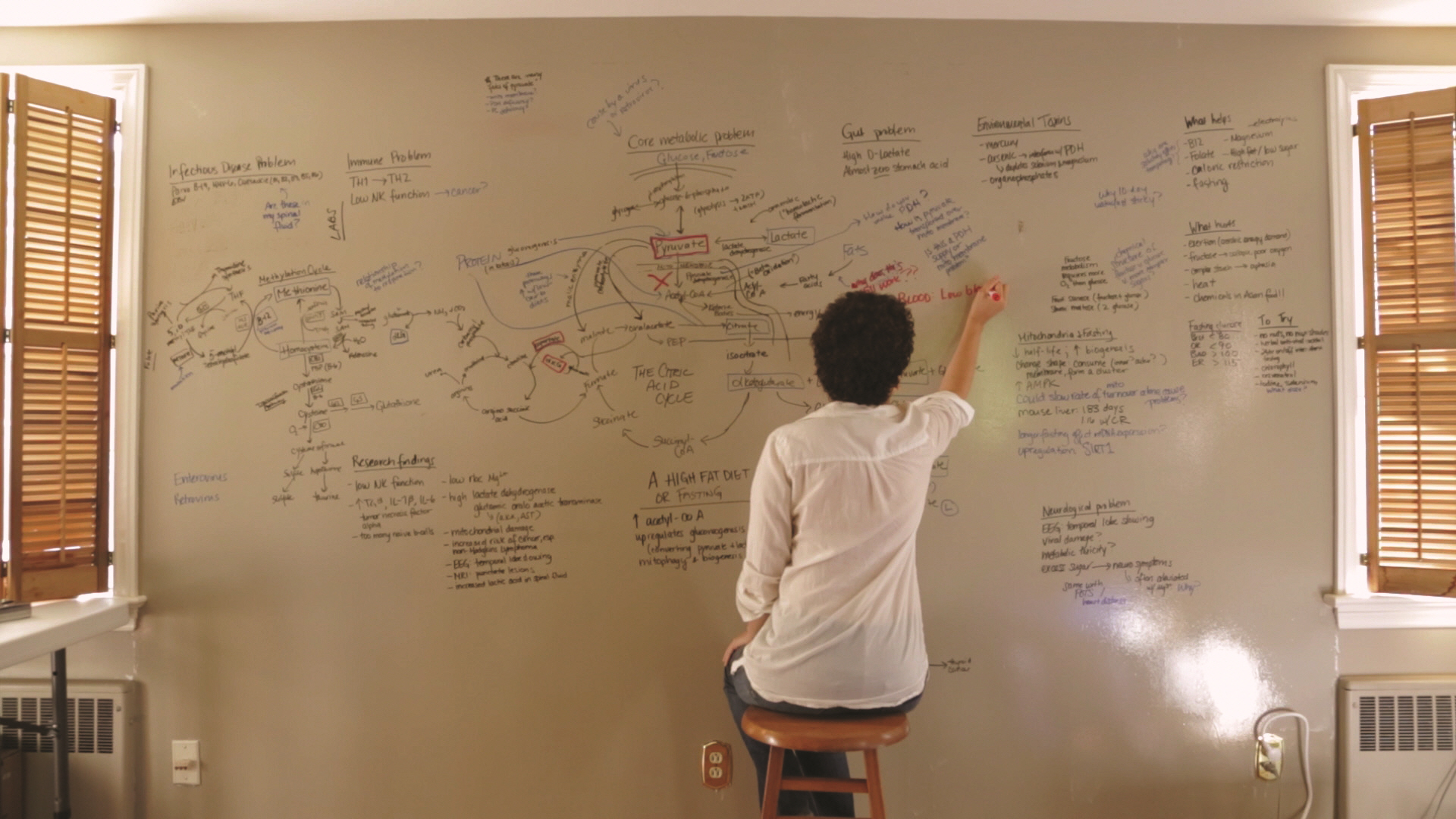
사랑하는 사람과의 결혼을 앞둔 어느 날, 알 수 없는 고열로 쓰러진 제니퍼. 하버드에서 철학 공부를 하며 누구보다 밝고 적극적인 삶을 살아가던 그녀에게 보통의 일상조차 스스로 꾸려나갈 수 없을 정도로 끔찍한 고통이 찾아온다. 그녀의 병명은 '만성 피로 증후군'. 하지만 삶의 한계를 받아들이지 않기로 한 그녀는 병상에 누워 세계 곳곳에서 홀로 싸우고 있는 환자들과 연대하고 소통하기 시작한다.
감독
-
 제니퍼 브레아
Jennifer BreaUnrest (2017)nrest is a personal documentary. When I was 28, I became ill after a high fever and, eventually, bedridden. At first, doctors couldn’t diagnose me and later began telling me that either there was nothing wrong with me or that it was in my head. As I began searching for answers, I fell down this rabbit hole and discovered a hidden world of thousands of patients all around the globe, many of whom are homebound or bedridden and use the internet to connect
with each other and the outside world.We were all grappling with a disease called ME, more commonly known as as Chronic Fatigue Syndrome. This wasn’t a disease I had ever really heard of, read about, or seen films made about, even though it is an extremely common condition. It’s a story that’s been flying under the radar for the last 30 years.
Unrest follows the story of me and my husband Omar. We are at the very beginning of our marriage, of our lives together, when this asteroid hits. And at the same time, I start reaching out to other patients and documenting their stories. We meet Jessica, for example, a young girl in England who has been bedridden since she was 14, and Ron Davis, a Stanford geneticist who is trying to save his son’s life in spite of some incredible obstacles.
I made this film four times. At first, it was just an iPhone video diary. Those first few years, I could barely read or write but needed an outlet. And so I started creating these really intimate, raw videos.
Then I went online and met thousands of people, all over the world, living the same experience. Many were homebound or bedbound, isolated, without treatment or care, and often disbelieved. I thought, “How could this have possibly happened to so many people?” There was this deep social justice issue at the heart of it. An entire community had been ignored by medicine and had missed out on the last 30 years of science. A part of the problem is that many of us are
literally too ill to leave our homes and so doctors and the broader public rarely see us. That is when I decided to make a film.When we began shooting, I was completely bedridden, so I built a global producing team, hired crews around the world, and directed from my bed. I conducted interviews by Skype and an iPad teleprompter—a sort of poor man’s Interrotron. We had a live feed that (when it worked!) allowed me to see in real time what our DP was shooting on the ground. Filmmaking allowed me to travel again.
As we started shooting, and I started to get to know these amazing characters, the film became about some of those burning questions that I had. What kind of a wife can I be to my husband if I can’t give him what I want to give? How do I find a path in life now that the plan I had has become impossible? If I am never able to leave my bed, what value does my life have? And I started to become interested in what happens not only to patients but to our caregivers when we
3 or a loved one are grappling with a life-changing illness. These are questions we will all face at some point in our lives.Lastly, there was a point at the middle of the edit when we had a very strong cut but I felt unsatisfied with just seeing us, these bodies, from the outside. I knew that there was so much about this experience that an external camera just couldn’t capture. And so we started bringing in these elements of personal narration, visuals, and sound design in an almost novelistic way, to try to give the audience glimpses of our dreams, our memories. It was important to me to convey that regardless of our profound disabilities, we are all still fully human. That even laying in bed, we have these complex, inner lives.
It’s my hope that in sharing this world and these people that I have come to profoundly love, that we can build a movement to transform the lives of patients with ME; accelerate the search for a cure; and bring a greater level of compassion, awareness, and empathy to millions upon millions of patients and their loved ones wrestling chronic illness or invisible disabilities.
리뷰
만성피로증후군은 보이지 않는 병이다. 환자들이 느끼는 약하고 힘이 없는 느낌, 끔찍한 피로감, 통증은 소통하기 어려우며, 심리 문제나 정신 질환으로 오해받고 의심받는다. 진단을 받은 환자가 때로 안심하고 기뻐하기까지 하는 것은 자신이 미치지 않았음을 확인받았기 때문이고, 고통에 이름이 생겼기 때문이다. 감독 제니퍼 브레아는 바닥을 기어 다니는 자신의 모습을 찍기 시작한 이유를 이렇게 말한다. “누군가 이걸 봐야 한다고 생각해서.” 아이폰 카메라 버튼을 눌렀던 첫 순간엔 명료하지 않았을지도 모르지만, 그녀는 언제나 알고 있었을 것이다. 이 병을 보이게 만드는데 자신의 생존이 달려있음을. 방 구석구석 카메라를 설치해 유령의 존재를 증명하려 했던 사람들처럼, 그녀는 이 병이, 이 병을 앓는 자신이 실재한다는 것을 보이기 위해 찍는다. 나아가 카메라는 다른 환자들과 연결되는 도구가 된다. 각자의 침대 위에서 개별적으로 아프던 사람들이 유튜브와 스카이프를 통해 만나고 자신들을 한 집단으로서 드러낸다.
질병과 함께 산다는 것은 원인이나 증상과 씨름한다는 뜻만은 아니다. 사회가 질병에 부과한 잘못된 이야기들과 싸우는 것이기도 하다. 힘을 내기 어려운 병을 앓고 있는 사람이 온 힘을 끌어모아 병을 가시화하려는 노력을 기록하는 이 영화는 자신의 이야기를 만들고 들리게 하는 것이 삶을 가능하게 하는 방식일 수 있음을 ‘보게’ 한다. [메이]
Credits
- Director Jennifer Brea
- Producer Jennifer Brea, Lindsey Dryden, Patricia E. Gillespie, Alysa Nahmias
- Editor Kim Roberts, Emiliano Battista
Contribution & World Sales
- Contribution & World Sales THE FILM COLLABORATIVE
- Phone 1 323 2078321
- E-mail jeffrey@thefilmcollaborative.org