


시놉시스
존과 아만다는 아일랜드의 유일한 기숙 초등학교에 근무하는 선생님이다. 호그와트와 별반 다르게 생기지 않은 18세기에 설립된 학교에는 전통과 현재가 공존한다. 존에게 록 음악은 수학이나 라틴어와 같은 과목 중에 하나이다. 아만다의 오래되고 비밀스러운 책장의 책들은 아이들을 환상의 세계로 이끈다. 거의 반세기 동안 수천 명의 학생과 교류하며 과거와 현재를 잇는 삶을 살았던 그들에게 은퇴가 코앞으로 다가왔다.
감독
-
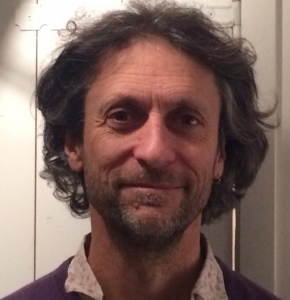 데이비드 라네
David RaneSchool Life (2016)In our initial research, we watched many films about schools. What is unique about the experience in our film, is the level of access we were given, behind the scenes, entering into a world where every parent would like to be a fly-on-the-wall.
Part of reflecting the world of Headfort is about capturing its aesthetics, the backdrop to this unusual school. We didn’t want the to be positioned as a voyeur, it was very much a
part of the circle, part of the community.Our film is the result of the relationship we have built up while researching during our first year of the project at Headfort. Stemming from this relationship between teacher, student and film crew, produced intimate footage with raw emotion, that we feel is rarely found on film or television today.
Our work is not staged, it’s observational in style, the rapport with our characters meant they accepted our presence in their lives, especially the children who just went on with their everyday life at Headfort, and allowed us to capture those special moments, where the kids are just kids, playing in the forts and interacting in the dorms.
Getting to that level of intimacy is a skill and it required a lot of time and trust. We could not possibly make a film about a boarding school, that unpeels the many layers of this world without having invested so much time researching, understanding and planning how to film this very nuanced institution.
Our documentary is an examination of a particular type of childhood and education, a childhood very different from what most parents in the 21st century deem as conventional, or even acceptable, and an education that sets Headfort apart from the norm.
The school building and its grounds, to us acted as a character in the film. The environment in which the characters are living, shapes the overall experience of the world the film inhabits. When filming we treated Headfort as a world within itself. Once the audience enter the world of Headfort school, they never leave the school grounds. This was an aesthetic decision taken to try to reflect the dilemma and reluctance of most of the characters in the film, (teachers and students a like) to ever leave the school.
-
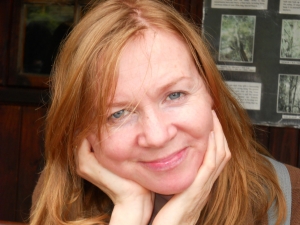 네사 니 시아냔
Neasa Ní ChianáinThe Stranger (2014)
Fairytale of Kathmandu (2007)
Frank Ned & Busy Lizzie (2004)In our initial research, we watched many films about schools. What is unique about the experience in our film, is the level of access we were given, behind the scenes, entering into a world where every parent would like to be a fly-on-the-wall.
Part of reflecting the world of Headfort is about capturing its aesthetics, the backdrop to this unusual school. We didn’t want the to be positioned as a voyeur, it was very much a
part of the circle, part of the community.Our film is the result of the relationship we have built up while researching during our first year of the project at Headfort. Stemming from this relationship between teacher, student and film crew, produced intimate footage with raw emotion, that we feel is rarely found on film or television today.
Our work is not staged, it’s observational in style, the rapport with our characters meant they accepted our presence in their lives, especially the children who just went on with their everyday life at Headfort, and allowed us to capture those special moments, where the kids are just kids, playing in the forts and interacting in the dorms.
Getting to that level of intimacy is a skill and it required a lot of time and trust. We could not possibly make a film about a boarding school, that unpeels the many layers of this world without having invested so much time researching, understanding and planning how to film this very nuanced institution.
Our documentary is an examination of a particular type of childhood and education, a childhood very different from what most parents in the 21st century deem as conventional, or even acceptable, and an education that sets Headfort apart from the norm.
The school building and its grounds, to us acted as a character in the film. The environment in which the characters are living, shapes the overall experience of the world the film inhabits. When filming we treated Headfort as a world within itself. Once the audience enter the world of Headfort school, they never leave the school grounds. This was an aesthetic decision taken to try to reflect the dilemma and reluctance of most of the characters in the film, (teachers and students a like) to ever leave the school.
리뷰
삶과 동떨어진 학교생활에서 한국 학생들은 삶에 필요한 지혜를 배우지 못한다, 이유도 모른 채 끝없는 경쟁만 하다 학생들은 학교에서 지치고, 다치고, 쓰러져 잠잔다. 그래서 ‘수면실로 변한 교실’은 어느덧 한국의 교실을 묘사하는 가장 적합한 표현이 되었다. 이곳에서 교사와 학생은 서로 무시하고, 분노하며, 좌절한다. 삶이 없는 학교생활은 결국 한국 학생들을 성장시키지 못한다.
아름다운 자연으로 둘러싸인 18세기의 건물 해드포트에서의 학교생활은 학생들의 삶 그 자체이다. 이곳에서 연극, 축구, 록밴드, 그림 그리기 등을 하는 그들에게 한국인이라면 “공부는 언제 하냐?”고 묻겠지만, 해드포트의 학생들은 매 순간 배우기를 멈추지 않으므로 매 순간 성장한다. 교사들은 학생 곁에서 이 과정을 돕거나, 그들 간의 대화를 통해 개별 학생들을 입체적으로 이해한다. 이들은 엄격한 규칙이나 권위적인 태도가 아니라 학생들에 대한 진지한 관심과 섬세한 지도로 학생들의 존경과 사랑을 받는다.
졸업식에서 선생님들과 조용히 포옹하고 울먹이는 학생들을 보며 삶이 살아 있는 학교생활의 아름다움을 느낀다. 학생들이 떠난 자리에서 “반짝반짝 작은 별...”을 서툴게 연주하는 교사의 모습은 더욱 아름답다. 아쉬운 점은 다큐멘터리 전체에서 여학생과 동양인을 비롯한 소수 학생들에 대한 재현이 백인 남학생의 그것보다 현저히 낮다는 것이다. 그것이 아일랜드에서의 삶이라는 듯. [나임윤경]
Credits
- Director Neasa Ní Chianáin, David Rane
- Producer, Sound David Rane
- Cinematographer Neasa Ní Chianáin
- Editor Mirjam Strugalla
- Music Eryck Abecassis
Contribution & Wolrd Sales
- Contribution & Wolrd Sales Magnolia Pictures
- E-mail lsagebiel@magpictures.com