
시놉시스
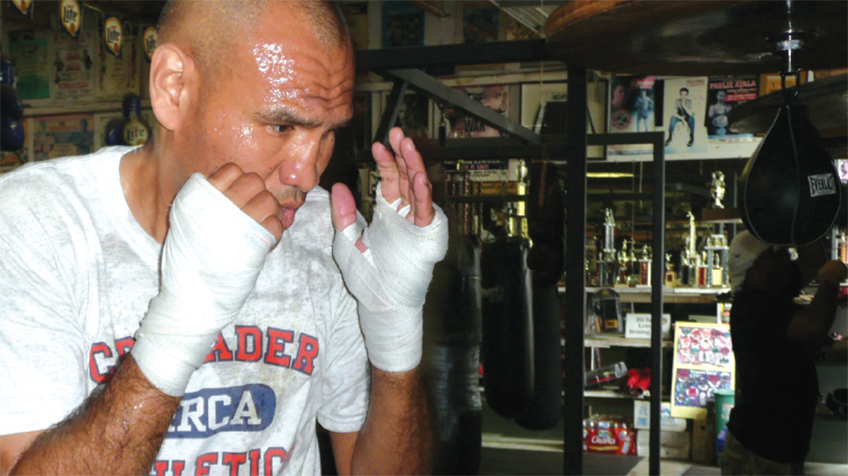
<권투도장>엔 내레이션이 깔리지 않는다. 일정한 연대기도 보이지 않는다. 전직 프로복서 리차드 로드가 세운 권투도장에서 운동하는 사람들의 모습들이 담겨 있을 뿐이다. 굳이 주인공을 꼽자면 리차드 로드, 그 사람일 텐데 그도 선수들을 훈련시키는 전문성을 드러낼 뿐 별다른 인생 스토리를 보여주지 않는다. 곧, <권투도장>의 주인공은 이 공간 내부와 바깥이며 거기서 운동하는 사람들 모두다. 삶의 흔적이라고 할까, 나날의 일상이 비슷하게 되풀이되지만 각양각색의 사람들이 취하는 운동 태도는 다르다. 프로복서를 꿈꾸는 사람부터 비대한 몸의 중장년 사람들도 있고 아마추어지만 마치 수도하듯이 진지하게 권투를 단련하는 사람들도 있다. 인종과 연령, 각자의 다른 사연을 갖고 이 도장을 찾는 사람들의 훈련하는 모습을 프레드릭 와이즈만은 그 표면만을 찍는다. 운동하는 틈틈이 리차드 로드와 제자들의 대화 모습, 또는 훈련하는 사람들끼리의 대화를 찍고 있지만 그것이 특정한 스토리를 이루는 것은 아니다. 이 극도의 스토리 미니멀리즘을 관통하는 것은 일종의 전문가 주의이다. 와이즈만이 선택한 화면들에서 사람들은 예외 없이 열심히 훈련하고 있다. 운동 삼아 즐기는 것과 철저하게 몰입하는 것의 경계가 없다. 화면 속에서는 모두 예외 없이 프로복서처럼 훈련을 받고 있는 것이다. 그 철저한 몰입과 복싱에의 헌신이<권투도장>을 보고나면 남는 잔상이다. “아메리칸 드림의 다양한 얼굴을 드러낸다.”는 식의 정형화된 평은 하고 싶지 않다. 주어진 시간에 철저히 몰입하는 가운데 단련과 유희가 다른 것이 아님을 증명하는 사람들의 진지함을 포착하면서 이 영화는 권투도장을 세속의 수도원처럼 묘사하고 있다. (김영진)
감독
-
 프레드릭 와이즈만
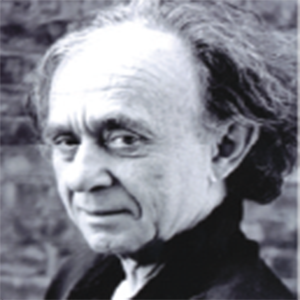
Frederick WISEMAN영화감독 그리고 무대연출가. 36편의 다큐멘터리와 2편의 극영화를 만들었다. 그의 다큐멘터리는 주로 학교, 감옥, 군대, 병원등과 같은 기관 속에서 사람들이 경험하는 이야기들을 다룬다. 무대 연출작으로는‘코메디 프랑세즈’에서 상연된 사무엘 베케트의 「행복한 나날들」과, 바실리 그로스만의 소설을 원작으로 한 「삶과 운명」이 있다. 현재 미국문학예술아카데미 명예 회원으로 활동 중이다.
La Danse-Le Ballet de L’opéra de Paris (2009)
Near Death (1989)
Primate (1974)
High School (1968)
Titicut Follies (1967)
Credits
- Director, Producer, Editor, Sound Frederick WISEMAN
- Cinematographer John DAVEY
Production Company
- Production Company Zipporah Films
Distributor/World Sales
- Distributor/World Sales Doc & Film International
- Address 13 rue Portefoin 75003 Paris, France
- Tel 33 1 42 77 56 87
- E-mail international@docandfilm.com